
Low-voltage distribution is where many users interact with the electrical system every day. It supplies workshops, production lines, commercial equipment, lighting, HVAC systems, pumps, chargers, and building services. If the low-voltage system is not organized properly, the project may experience overloaded feeders, difficult maintenance, unclear metering, poor power factor, or limited room for expansion.
A reliable low-voltage solution should not be limited to one cabinet model. It should consider how distribution cabinets, switchgear, reactive power compensation, metering, and busway systems work together. This is especially important for facilities with changing loads, multiple workshops, large motor equipment, or distributed power consumption points.
Common equipment for low-voltage projects
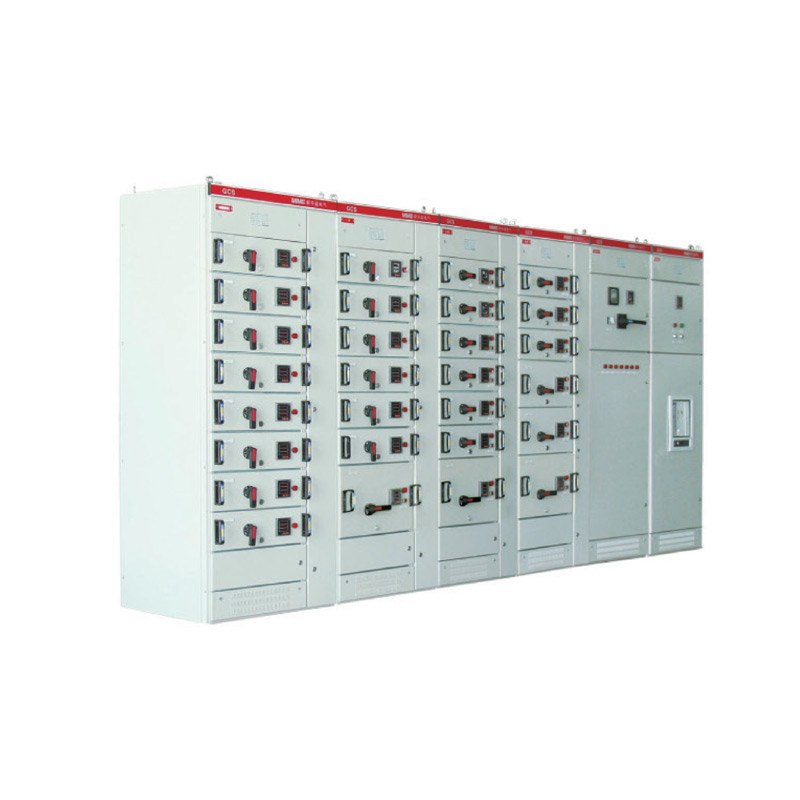
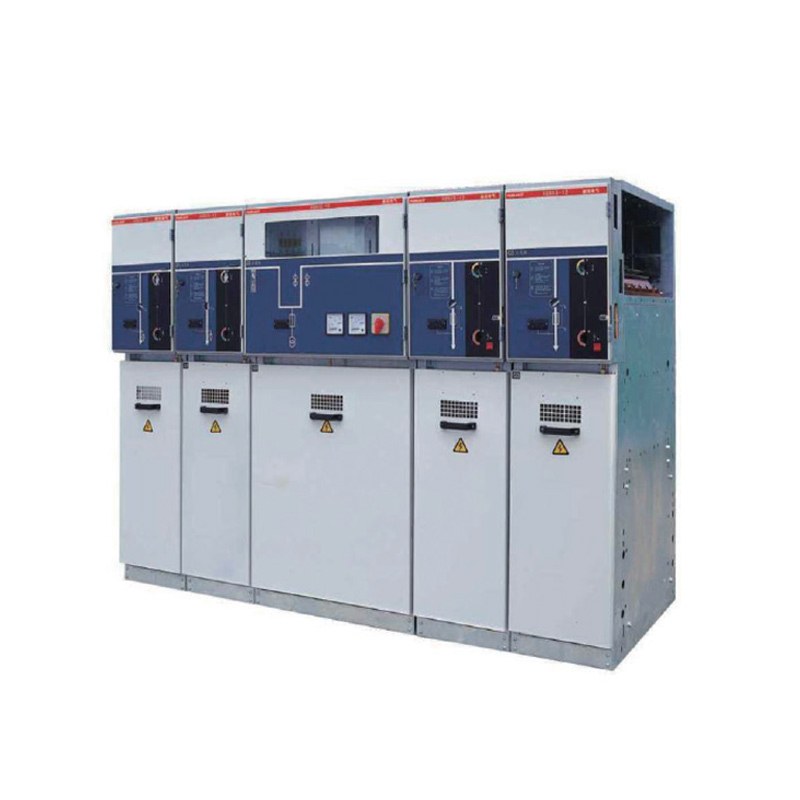
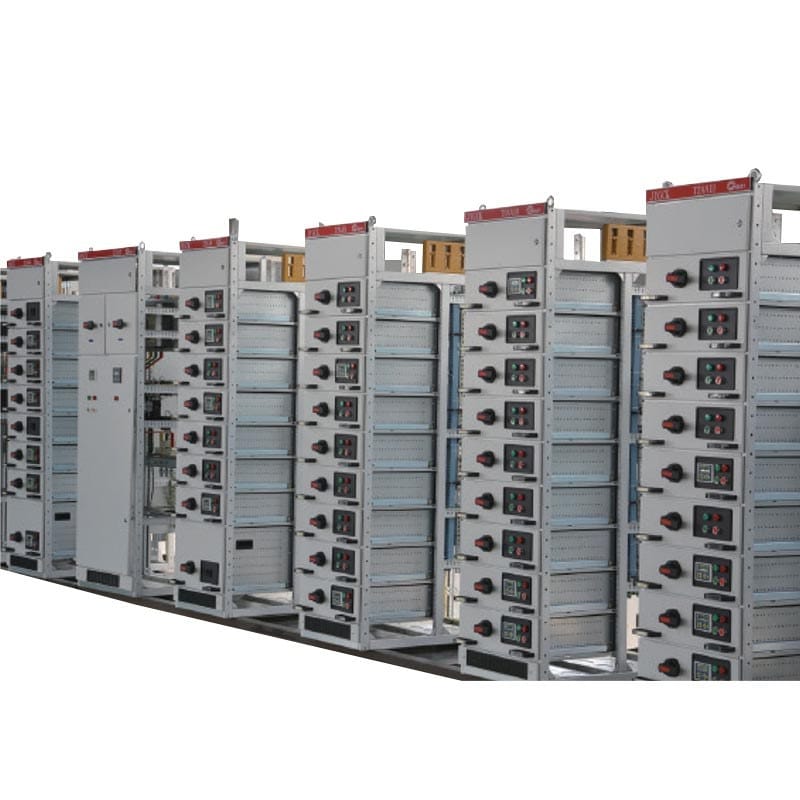
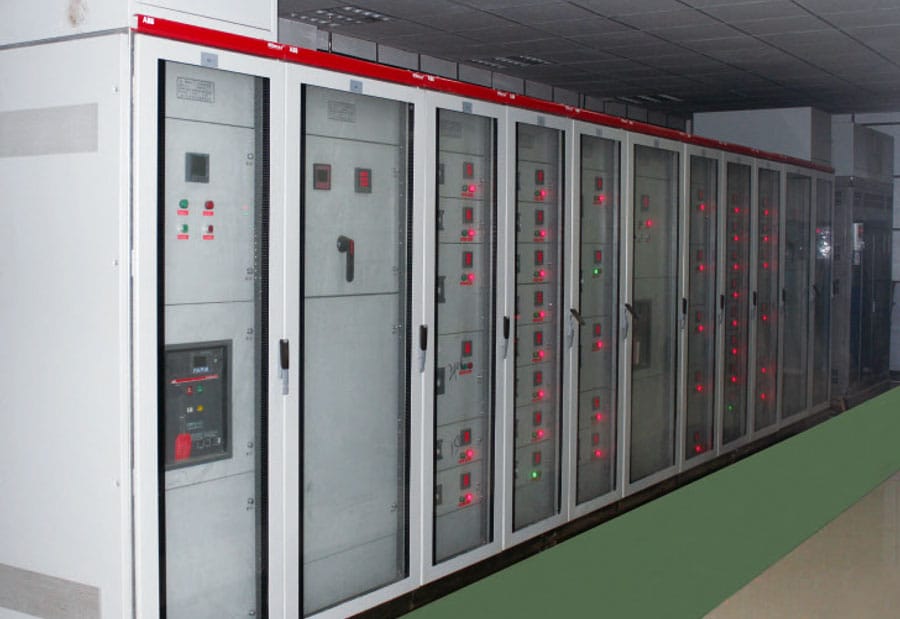
Dongfang Electric Power (Shandong) Co., Ltd. supplies MNS, GCS, GCK, GGD, and MDmax low-voltage switchgear, distribution cabinets, reactive power compensation cabinets, metering systems, and busway systems. These products can be configured for incoming power, outgoing feeders, motor control, load distribution, compensation, monitoring, and organized power transfer inside a facility.
Different cabinet types may be selected according to operation requirements, installation space, maintenance method, load type, and project budget. Drawer-type cabinets can support convenient circuit management where many feeders are required. Fixed cabinets may be suitable for simpler distribution arrangements. Busway systems can help transfer power across production areas or building sections where cable routes are complex.
Why reactive power compensation is important
Reactive power compensation is often included in low-voltage rooms to improve power factor and support more efficient system operation. The exact compensation configuration should be based on the load profile, transformer capacity, operating pattern, harmonic environment, and local project requirements. It should be coordinated with the switchgear arrangement rather than treated as an isolated cabinet.
- Review load type and operating pattern before selecting compensation capacity.
- Coordinate incoming cabinets, feeder cabinets, compensation cabinets, and metering systems.
- Reserve suitable space for maintenance, ventilation, cable entry, and future expansion.
- Use clear cabinet labels, drawings, and wiring documentation for easier operation.
Planning for long-term maintainability
Low-voltage equipment is frequently inspected and operated, so maintainability should be considered early. Clear circuit naming, safe access, organized cable routing, sufficient space, and documentation all help reduce confusion during operation. When a system includes production equipment or critical building services, a clear distribution plan can also make troubleshooting more efficient.
For project owners and contractors, the best starting point is a load list, single-line diagram, room layout, cable direction, and requirement for metering or control. With these details, the manufacturer can recommend a low-voltage configuration that matches both electrical performance and real installation conditions.
By coordinating switchgear, distribution cabinets, compensation cabinets, metering systems, and busway systems, low-voltage projects can achieve a more reliable and manageable power distribution structure.