
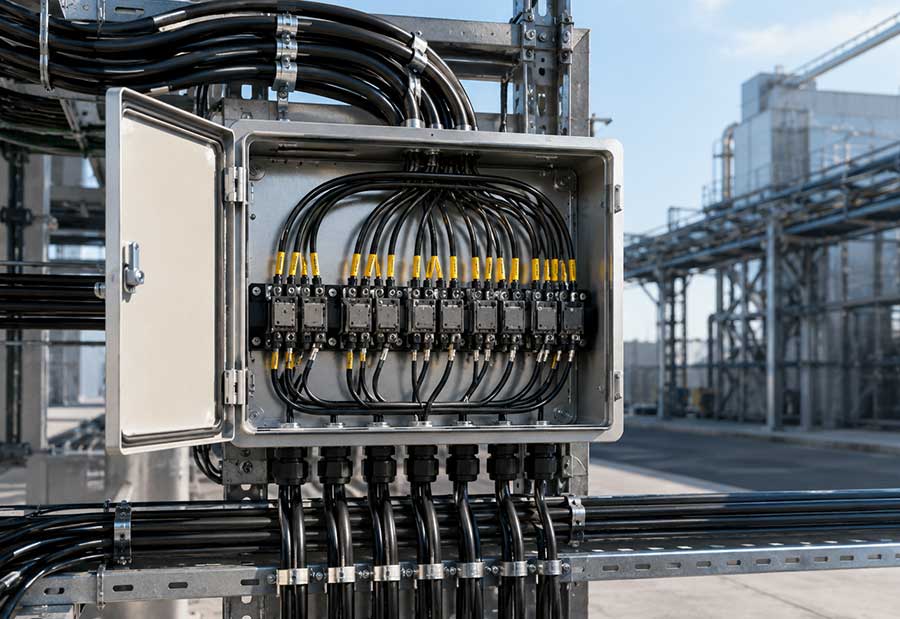
CABLE DISTRIBUTION
Make cable branching, route organization, and future expansion easier
Cable distribution becomes difficult when several feeders need to branch to different areas, cabinets, transformers, or outdoor nodes. This solution helps define cable branch boxes, distribution cabinets, ring main interfaces, cable entry direction, enclosure needs, and expansion reserve points.
- Clarify where power enters, branches, and terminates
- Match cable branch boxes to feeder quantity and environment
- Reserve practical outgoing positions for future expansion
Branch Points Are Unclear
Multiple outgoing routes need organized and accessible branching points.
Cable Direction Conflicts
Cable entry direction must match cabinet layout and site conditions.
Outdoor Protection Is Needed
Enclosure protection should match public, outdoor, or infrastructure environments.
Future Feeders Are Missing
Reserved positions can reduce later rework when the system expands.
Balanced Cable Distribution Equipment Set
Configuration logic: route mapping comes first, then branch point selection, then protection interface and cable connection. This makes the equipment set easier to understand as a system instead of three isolated products.
- Route mapping before product selection
- Branch point and protection interface coordination
- Cable connection matched to voltage level
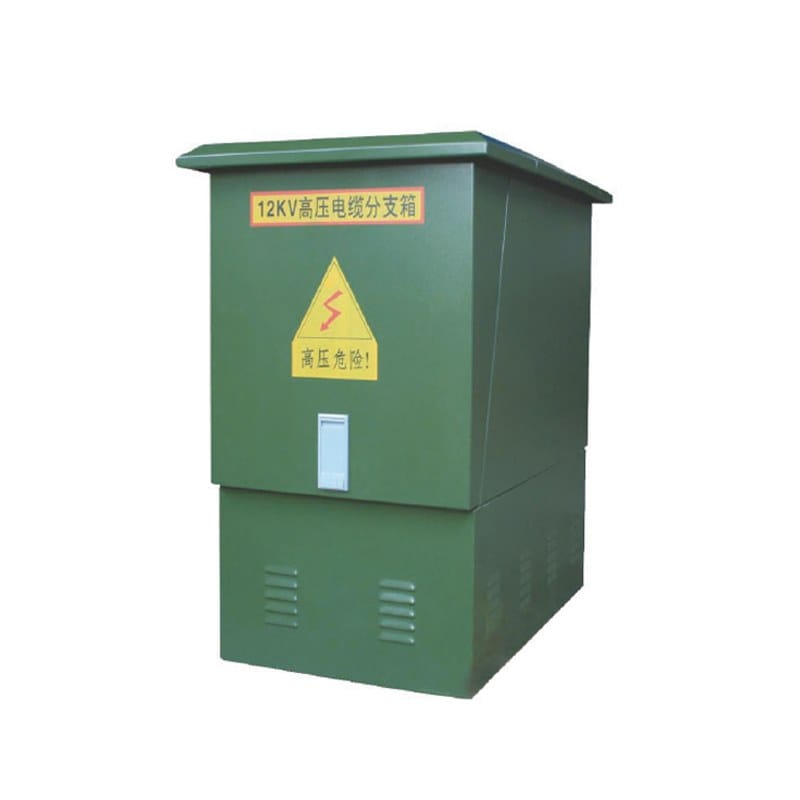
European Style Cable Branch Box
Branch point enclosure
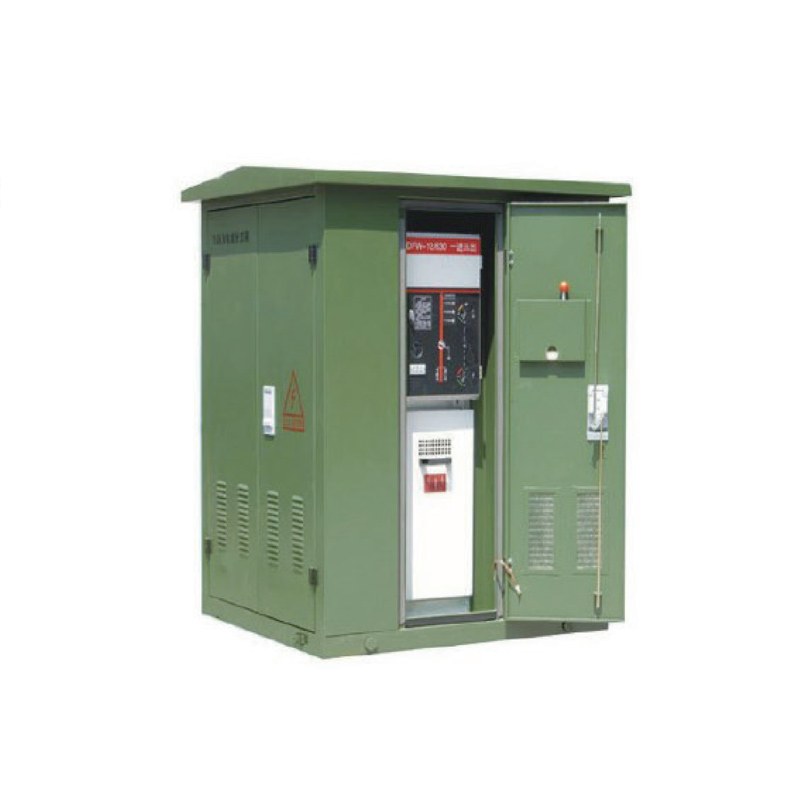
Cable Branch Box with Load Break Switch and Fuse
Switching and protection interface
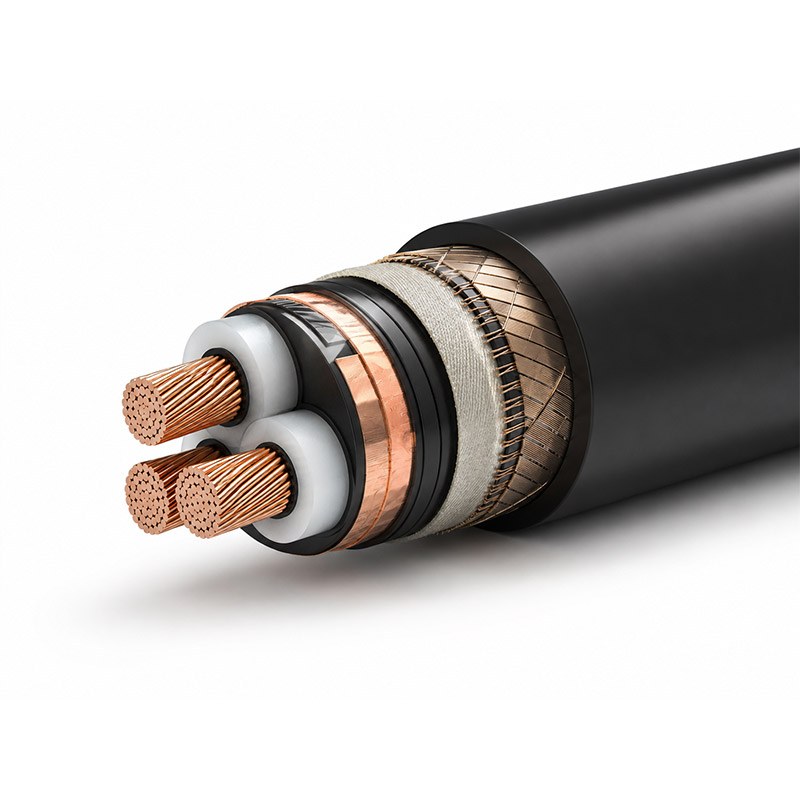
High Voltage Power Cable
Medium-voltage route connection
Cable Distribution Scenarios
Utility Distribution Route
- Feeder branching
- Outdoor nodes
- Grid expansion
Industrial Park Cable Network
- Workshop routes
- Outdoor cabinets
- Reserved feeders
Public Infrastructure Corridor
- Long-route supply
- Monitoring loads
- Maintenance access
Requirements to Confirm Before Configuration
Branch Quantity
Installation Environment
Interface Coordination
Documentation Needs
Configuration Items That Can Be Reviewed
Electrical Parameters
- Voltage level
- Rated current
- Short-circuit requirement
- Protection interface
Cable Interface
- Cable entry direction
- Branch quantity
- Enclosure style
- Grounding requirement
Site Conditions
- Indoor or outdoor use
- Rain and dust protection
- Maintenance clearance
- Trench layout
Delivery Documents
- Technical drawings
- Nameplates and labels
- Packing information
- Handover files
Four Decisions Before Final Product Selection
Map the Route
Place Branch Nodes
Match Protection
Confirm Handover
Open Product Pages for Detailed Information
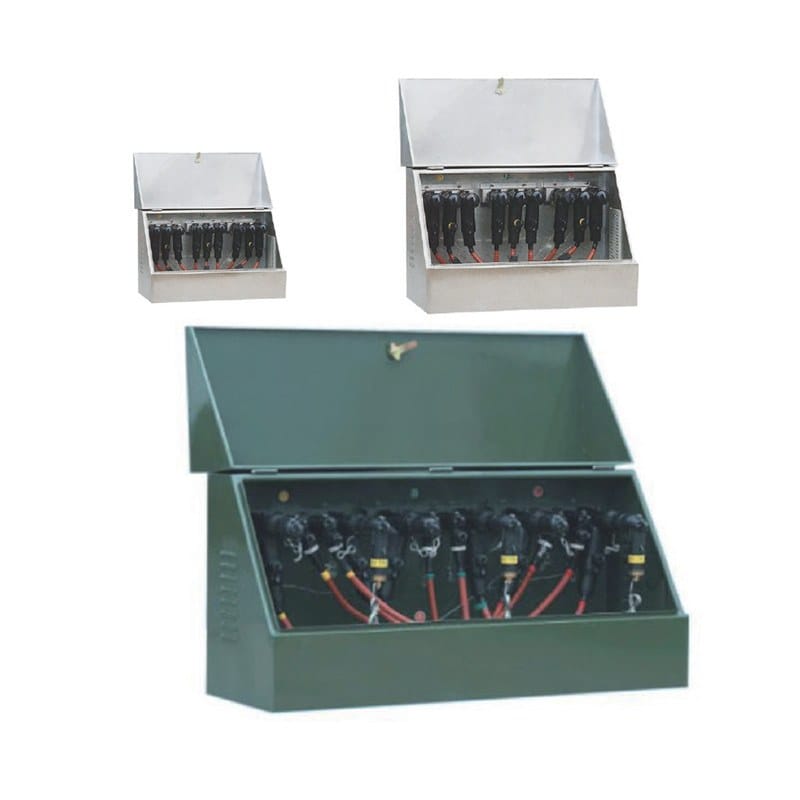
American Style Cable Branch Box
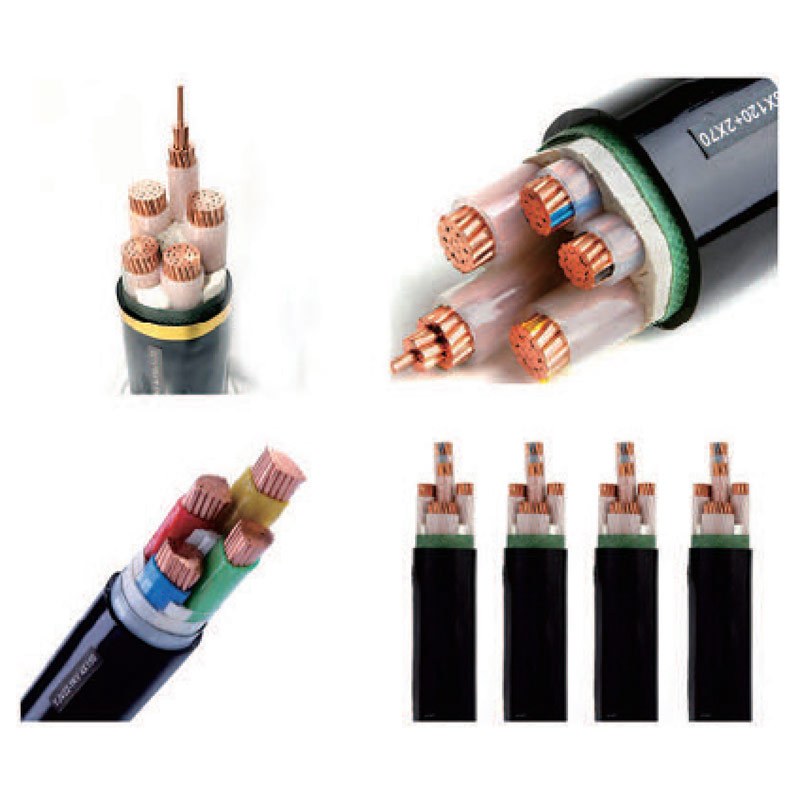
Low Voltage Power Cable
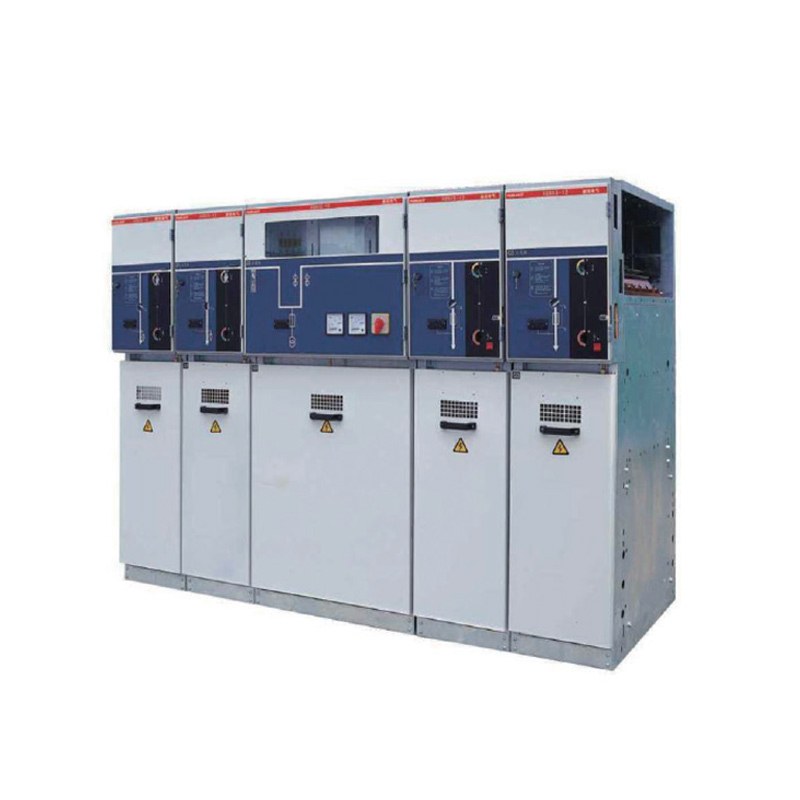
XGN-12 Ring Main Unit
Typical Application References
These are scenario references for cable distribution planning, not named customer case claims. The three-column layout keeps each reference at the same visual weight.
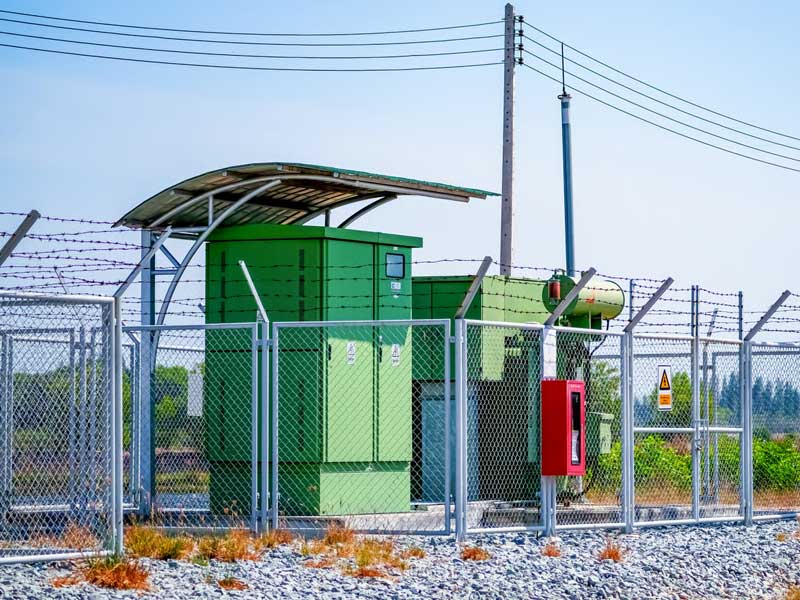
Power Utilities & Grid Infrastructure

Urban & Commercial Infrastructure