Table of Contents
Introduction
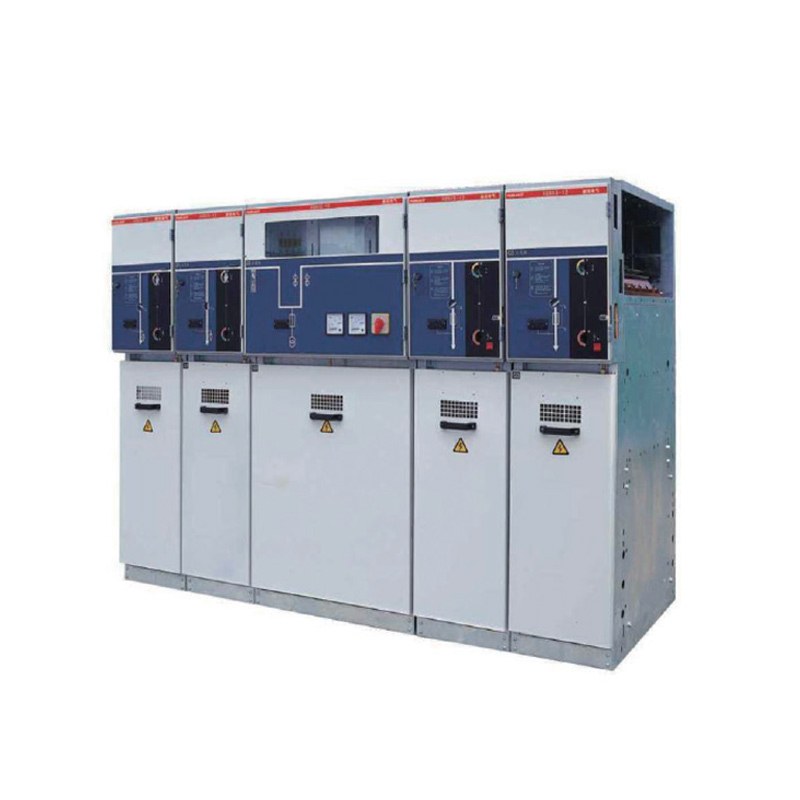
An Outdoor Ring Main Unit is designed to perform medium-voltage switching, isolation, protection, and feeder management where electrical equipment is exposed to outdoor operating conditions. Although the basic electrical functions may resemble those of an indoor RMU, outdoor installation changes the selection logic considerably. Weather exposure, moisture, condensation, contamination, cable-entry sealing, enclosure construction, temperature variation, maintenance access, and remote operation can all become important parts of the specification.
For this reason, selecting an Outdoor Ring Main Unit should not begin with enclosure dimensions or feeder quantity alone. A technically suitable unit must match the electrical network while remaining dependable in the actual environment where it will operate. The protection arrangement, cable interfaces, internal insulation, enclosure design, monitoring capability, and maintenance strategy need to work together.
The following seven factors provide a practical framework for evaluating an Outdoor Ring Main Unit as part of a complete medium-voltage distribution system rather than as an isolated cabinet.
1. Match the Outdoor Ring Main Unit to the Network Structure
The first selection factor is the electrical network itself. Before discussing enclosure materials or environmental protection, the project team should understand how the Outdoor Ring Main Unit fits into the power-distribution route.
A ring network normally provides more than one possible power path, allowing sections of the system to be isolated while unaffected sections remain available where the network and operating strategy permit. An RMU can therefore perform receiving, outgoing, switching, isolation, and protection functions at important distribution nodes.
The exact configuration depends on the project. Some installations require two ring feeders and one transformer feeder, while others may need additional outgoing circuits, circuit-breaker protection, load-break switching, metering, or automation interfaces. This is why simply asking for a “three-way RMU” or another feeder quantity does not fully define the electrical requirement.
The project should first establish the single-line arrangement, incoming and outgoing circuits, transformer connections, normal power-flow direction, fault-isolation strategy, and expected network expansion. These decisions determine what switching functions the RMU actually needs.
An Outdoor Ring Main Unit should therefore be selected around the network topology rather than forcing the network to fit a standard cabinet arrangement after equipment selection.
2. Evaluate the Real Outdoor Environment
The word “outdoor” covers a wide range of conditions. Two Outdoor Ring Main Unit installations can experience very different environmental stresses even when their electrical ratings are identical.
Exposure may involve rainfall, airborne dust, humidity, temperature variation, solar heating, condensation, industrial contamination, wind-driven particles, or other site-specific conditions. The enclosure and internal equipment should therefore be evaluated against the actual installation environment rather than a generic outdoor label.
One particularly important point is that visible rainfall is not the only moisture risk. Condensation can develop when temperature and humidity conditions cause moisture to form inside or around the enclosure. This can be especially significant when equipment experiences repeated temperature changes between daytime operation, nighttime cooling, or seasonal conditions.
That leads to an important selection principle: weather resistance should be evaluated as an environmental system. Roof structure, door sealing, cable-entry design, ventilation strategy, internal heating or moisture-control measures where required, and drainage all contribute to outdoor reliability.
A heavily sealed enclosure is not automatically the best solution either. Electrical equipment produces heat, and enclosure design must balance environmental protection with thermal management. Outdoor suitability therefore depends on how protection and heat dissipation are coordinated rather than how “closed” the cabinet appears.
3. Confirm Voltage, Current, and Insulation Requirements
Environmental protection cannot compensate for an Outdoor Ring Main Unit that does not match the electrical characteristics of the network. Rated voltage, rated current, frequency, insulation requirements, short-time withstand capability, and the characteristics of the switching and protection devices all need to match the intended system.
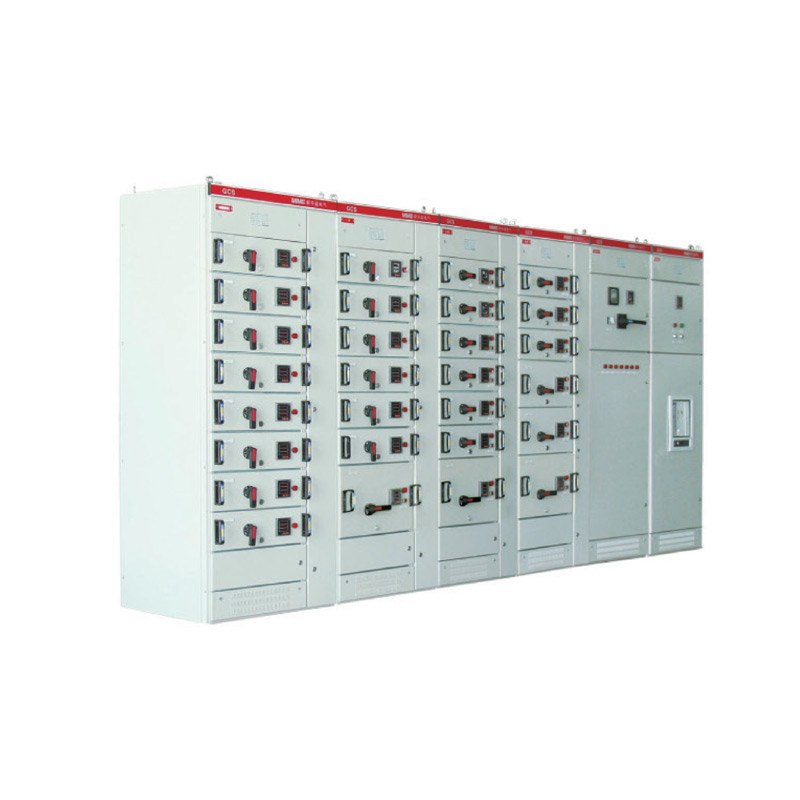
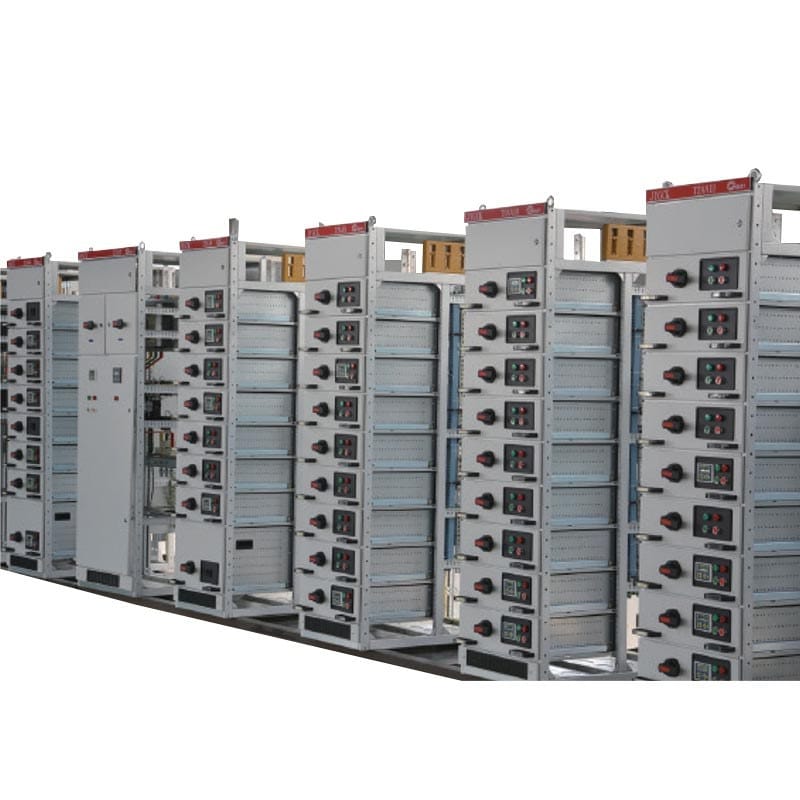
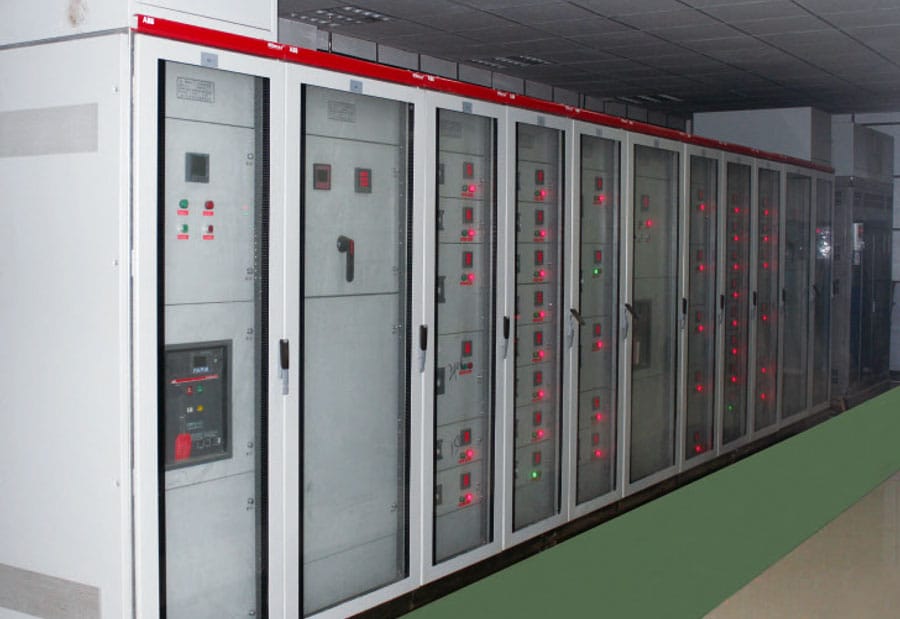
An RMU belongs to the broader family of switchgear used to control, protect, and isolate electrical circuits. Those functions become particularly important at medium-voltage distribution nodes where a fault or incorrect switching operation can affect multiple downstream circuits.
Rated current should be considered alongside realistic operating conditions. The RMU must support expected normal current without being selected only from one current value on a specification sheet. Feeder loading, transformer demand, future circuits, and changes in network operating conditions may all influence the practical requirement.
Insulation performance also deserves attention because outdoor operating conditions can place additional demands on the equipment environment. Moisture, contamination, temperature variation, and aging can affect insulation systems over time if the equipment and enclosure are poorly matched to the site.
The electrical rating and environmental design should therefore be reviewed together. An Outdoor Ring Main Unit is not truly suitable simply because either side of that equation is correct.
4. Select the Right Switching and Protection Configuration
Different feeders within an Outdoor Ring Main Unit may perform different functions, which means they do not necessarily require the same switching and protection arrangement.
A ring feeder may primarily need switching and isolation, while a transformer feeder may require a different protection strategy. Other applications may use circuit breakers and protection relays where more specific fault detection and control are required.
The key is to define what should happen when an abnormal condition occurs. Which circuit should open? Which section should remain energized where system design allows? How should a transformer feeder be protected? What information should be available to operators after a trip? These questions are more useful than simply asking which switching device is “best.”
Protection should also coordinate with upstream and downstream equipment. If several protective devices respond to the same fault without suitable coordination, a relatively local problem can interrupt a much larger part of the distribution system than necessary.
This is why an Outdoor Ring Main Unit should be reviewed within the overall medium-voltage distribution system. Incoming feeders, RMUs, transformers, cable branch points, protection devices, and outgoing circuits should follow a coordinated switching and fault-management strategy.
A strong RMU specification therefore describes the required operating logic, not merely the names of the internal components.
5. Pay Close Attention to Cable Entry and Termination
Cable interfaces are one of the most important areas in an outdoor medium-voltage installation because they connect the protected internal system to the external network.
An enclosure can be well designed while cable entry becomes a weak point if openings, seals, termination space, routing, or mechanical support are poorly planned. This makes cable arrangement part of environmental protection as well as electrical design.
Before the Outdoor Ring Main Unit layout is finalized, the project should confirm whether cables enter from below or through another planned route, how many cables are required, their approximate dimensions, termination arrangement, bending space, phase identification, and whether future feeders need to be accommodated.
Physical access around the termination area matters as well. Technicians need sufficient working space to install and inspect cable connections without disturbing unrelated circuits. A cabinet that is compact externally but crowded around termination points may create unnecessary difficulty during installation and maintenance.
Cable sealing also needs to remain consistent after field installation. A carefully designed enclosure can lose part of its environmental protection if cable openings are modified without an appropriate sealing arrangement.
This leads to a practical rule: outdoor RMU selection should treat cable terminations as part of the enclosure boundary, not simply as conductors that happen to enter the cabinet.
6. Plan for Monitoring, Remote Operation, and Fault Information
Outdoor distribution nodes are often separated from the electrical control room or other regularly occupied areas. That makes operating information increasingly valuable.
A basic Outdoor Ring Main Unit may perform its switching and protection functions effectively without extensive digital features. However, some projects benefit from additional status indication, fault information, current monitoring, remote switching capability, or communication interfaces.
The decision should be based on operational need rather than adding technology for its own sake.
Consider how maintenance personnel will know that a feeder has operated, how quickly a faulted section needs to be identified, whether operators regularly visit the site, and whether the wider distribution system already uses centralized monitoring. These questions help determine whether remote status and control functions provide practical value.
Remote capability can also change the operational strategy. If reliable status information is available, operators may be able to understand system conditions before personnel reach the equipment. Where remote switching is used, control logic, interlocking, communication reliability, and operational authority need to be considered as part of the system design.
The most useful Outdoor Ring Main Unit is therefore not necessarily the one with the largest number of intelligent functions. It is the one that provides the level of information and control needed for the actual operating model.
7. Design for Maintenance and Long-Term Outdoor Reliability
An Outdoor Ring Main Unit may operate for long periods with relatively little visible activity, but that does not eliminate the need for inspection and condition management. Outdoor equipment should be selected with its future maintenance environment in mind.
Access is the first consideration. Doors, operating mechanisms, cable compartments, indicators, and inspection areas should remain usable after installation. The equipment location should also allow personnel to approach and work around the unit appropriately rather than leaving only enough space to position the cabinet.
The second consideration is condition visibility. Maintenance personnel should be able to identify signs of moisture entry, contamination, corrosion, damaged seals, abnormal heating, cable-condition changes, mechanical problems, or repeated protection operation before they become larger issues.
Documentation also becomes important over time. Feeder identification, operating diagrams, equipment labels, protection settings, cable records, and modification histories should remain consistent with the installed network. An RMU can become difficult to manage when its physical configuration changes but the documentation does not.
Long-term reliability therefore begins during equipment selection. If access, inspection, environmental control, and documentation are considered only after commissioning, many avoidable maintenance difficulties have already been built into the project.
Outdoor Ring Main Unit Selection Checklist
The following table summarizes the seven areas that should be checked before an Outdoor Ring Main Unit specification is finalized.
| Selection Factor | What to Confirm | Common Risk if Overlooked |
|---|---|---|
| Network structure | Incoming, outgoing, ring and transformer feeders | RMU configuration does not match system operation |
| Outdoor environment | Moisture, dust, temperature, contamination and exposure | Premature enclosure or insulation problems |
| Electrical ratings | Voltage, current, insulation and withstand requirements | Equipment does not match network conditions |
| Protection | Switching method, breaker or fuse arrangement and coordination | Fault isolation affects unnecessary sections |
| Cable system | Entry direction, termination, sealing and working space | Difficult installation or compromised enclosure protection |
| Monitoring | Local status, fault indication, communication and remote control needs | Poor visibility of remote distribution nodes |
| Maintenance | Access, inspection, documentation and future modification | Higher maintenance difficulty over service life |
This checklist should not be treated as seven independent boxes to mark “complete.” The factors affect one another. A different feeder configuration can change cable space. A more sealed enclosure can affect thermal behavior. Additional monitoring equipment can require auxiliary power and internal space. Future expansion can change both electrical ratings and cabinet dimensions.
The strongest selection decisions therefore come from reviewing these factors together.
Outdoor Protection Is More Than an Enclosure Rating
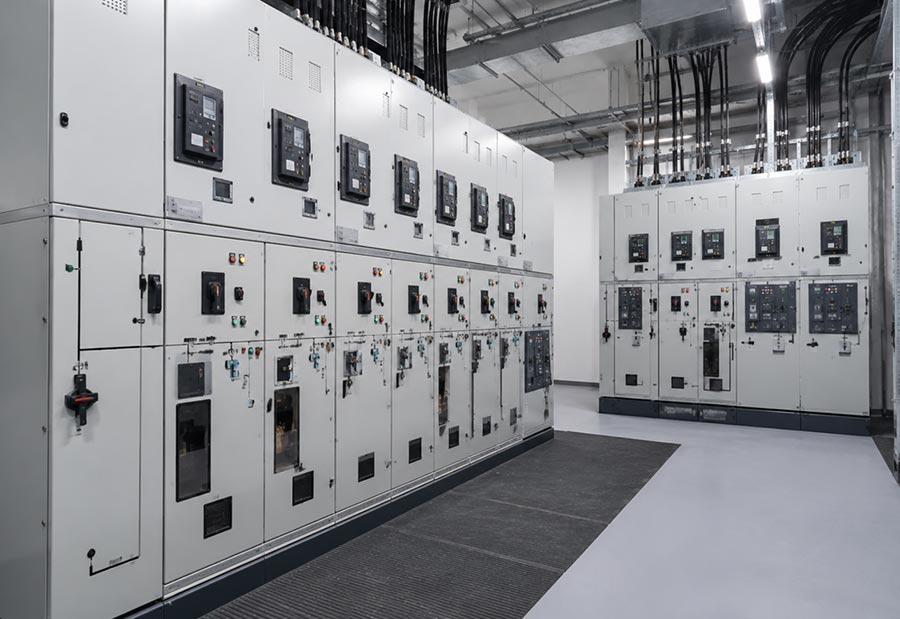
One of the most common misunderstandings when specifying an Outdoor Ring Main Unit is reducing outdoor suitability to a single enclosure-protection value.
Protection ratings are important, but they describe only part of the real installation. Long-term outdoor performance also depends on how the enclosure is constructed, how doors and joints are sealed, how cables enter, how moisture is managed, how heat leaves the cabinet, and how installation work is completed on site.
For example, a correctly designed enclosure can still experience problems if a later cable-entry modification leaves an opening inadequately sealed. Similarly, a cabinet may resist external moisture but develop internal condensation if temperature changes and humidity are not considered.
Outdoor reliability is therefore a chain. The enclosure body, cable interfaces, ventilation strategy, sealing, installation base, drainage conditions, and maintenance practices all need to remain consistent.
The weakest interface often matters more than the strongest individual specification.
Consider Condensation Before It Becomes a Maintenance Problem
Rain is easy to see. Condensation is easier to overlook.
When humid air encounters surfaces that have cooled sufficiently, moisture may form even when no water has entered through the enclosure from outside. Outdoor electrical equipment can experience repeated temperature changes, making condensation control an important part of environmental planning.
The appropriate response depends on the installation. Enclosure design, natural or controlled ventilation, internal temperature management, sealing strategy, and site conditions all influence the result. The goal is not to apply one universal method, but to prevent the cabinet from creating an internal environment that undermines the insulation and mechanical systems it is intended to protect.
Condensation also illustrates why environmental conditions should be recorded accurately during project planning. Describing an installation only as “outdoor” provides much less useful information than describing expected humidity, temperature variation, exposure, contamination, and mounting conditions.
The better the environmental information, the more accurately the Outdoor Ring Main Unit can be matched to its real operating conditions.
Think About the Foundation and Site Layout
The electrical design receives most of the attention during RMU selection, but the physical site can have an equally important influence on long-term operation.
The installation base should support stable equipment positioning and practical cable routing. Water accumulation around the enclosure should be avoided through suitable site planning. Operating doors and panels need enough clearance, while the location should allow safe inspection and maintenance without forcing personnel into unnecessarily restricted spaces.
Cable trenches or underground routes should also align with the RMU termination arrangement. If civil work and equipment design are planned separately, cable entry points may not match the final cabinet configuration. Correcting this mismatch later can create unnecessary modifications around one of the most environmentally sensitive areas of the enclosure.
The installation layout should also consider future work. If additional feeders or cables may be required, the site arrangement should not make expansion unnecessarily difficult.
An Outdoor Ring Main Unit is therefore partly an electrical product and partly a site-integration project. Good performance depends on both.
Fixed Configuration or Future Expansion?
Outdoor RMUs are often selected for compactness, but compact design should not eliminate realistic future flexibility.
If the distribution network is expected to remain stable, a configuration closely matched to the current feeder requirement may be appropriate. If additional loads, transformers, or network routes are already planned, expansion should be considered before the cabinet configuration is finalized.
This does not mean that every project should maximize spare feeders. Unused capacity without a defined future purpose can increase complexity. Instead, project teams should distinguish between possible expansion and probable expansion.
Probable future circuits should be reflected in the network plan, cable routes, installation space, protection strategy, and RMU configuration. Possible but undefined expansion may be better addressed through a site layout that leaves practical options without unnecessarily complicating the present electrical design.
The useful planning question is therefore not “How much spare capacity can we add?” but “What changes are realistically expected, and what would be difficult to modify later?”
That question generally produces a more maintainable system.
Common Outdoor Ring Main Unit Selection Mistakes
One common mistake is choosing an Outdoor Ring Main Unit primarily from voltage and feeder quantity. These parameters are essential, but they do not describe environmental exposure, cable interfaces, protection strategy, operating access, or monitoring requirements.
Another mistake is treating an outdoor enclosure as a complete environmental solution. Sealing, cable entry, condensation, ventilation, drainage, installation workmanship, and long-term maintenance all influence whether the outdoor protection concept remains effective.
Protection can also be oversimplified. Selecting switching devices independently from the network fault strategy can create unnecessary interruptions or unclear fault isolation. Protection should be considered together with upstream and downstream equipment.
Cable termination space is another area frequently underestimated. The RMU may fit comfortably into the planned site while the actual medium-voltage cables have insufficient space for organized routing and practical termination.
Finally, some projects focus heavily on commissioning requirements but give little attention to future inspections. Equipment that is difficult to access, identify, or monitor can create unnecessary maintenance effort throughout its service life.
Avoiding these issues does not require a more complicated RMU. It requires better project information before the configuration is finalized.
A Better Way to Compare Outdoor Ring Main Unit Options
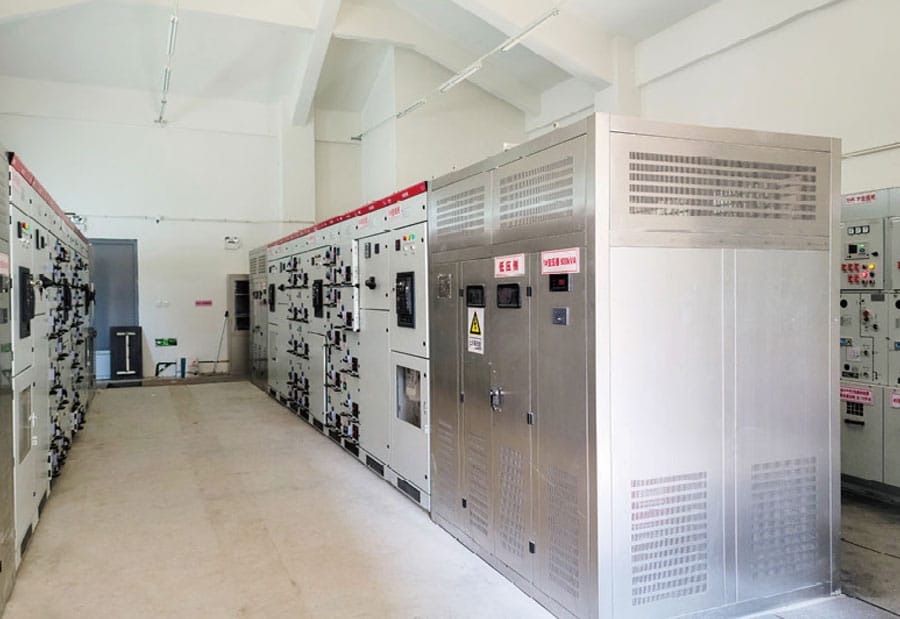
When comparing different Outdoor Ring Main Unit configurations, it is useful to evaluate them through three layers rather than comparing specification tables line by line.
The first layer is electrical suitability. Confirm that voltage, current, feeder configuration, switching functions, protection, insulation, and network coordination match the actual system.
The second layer is environmental suitability. Review enclosure construction, sealing, condensation control, cable interfaces, thermal conditions, outdoor exposure, and the physical installation site.
The third layer is operational suitability. Consider how the unit will be switched, monitored, inspected, maintained, documented, and potentially expanded over time.
An option that performs strongly in only two of these three layers still deserves further review. An electrically capable RMU with poor outdoor integration can create reliability problems, while a weather-resistant enclosure with an unsuitable protection strategy is equally incomplete.
This three-layer method helps project teams compare RMUs by actual system fit rather than by the number of features listed in a specification.
Conclusion
Selecting an Outdoor Ring Main Unit requires more than moving a conventional medium-voltage cabinet outside and adding a weather-resistant enclosure. Outdoor installation changes the way electrical ratings, environmental protection, cable interfaces, thermal behavior, operating access, monitoring, and maintenance need to be considered.
A strong selection process begins with the network structure and identifies exactly what the RMU must switch, isolate, and protect. Electrical ratings should then be matched to actual system conditions, while the enclosure and cable interfaces should be evaluated against realistic outdoor exposure. Protection coordination, monitoring requirements, installation layout, and maintenance access should be addressed before the final configuration is approved.
The most important lesson is that outdoor suitability is a system property rather than a single specification. The enclosure, internal equipment, cable terminations, site conditions, protection strategy, and maintenance plan all contribute to long-term reliability.
When those elements are considered together, an Outdoor Ring Main Unit can become a practical and maintainable distribution node that supports both present operating requirements and realistic future network development.
FAQ
What is an Outdoor Ring Main Unit?
An Outdoor Ring Main Unit is medium-voltage switching and protection equipment configured for outdoor installation. It can support feeder switching, isolation, transformer protection, and ring-network operation while using an enclosure and cable arrangement suited to environmental exposure.
How is an Outdoor Ring Main Unit different from an indoor RMU?
The electrical functions may be similar, but outdoor installation requires greater attention to enclosure protection, moisture, condensation, contamination, temperature variation, cable sealing, drainage, and maintenance access. These conditions should influence the complete equipment configuration.
What should I check before selecting an Outdoor Ring Main Unit?
Confirm network topology, voltage, rated current, feeder quantity, protection arrangement, environmental conditions, cable entry, termination space, monitoring needs, installation layout, maintenance access, and realistic future expansion before finalizing the RMU configuration.
Why is cable entry important for an Outdoor Ring Main Unit?
Cable entry forms part of the environmental boundary of the enclosure. Poor routing, limited termination space, or unsuitable sealing can complicate installation and reduce environmental protection. Cable direction and termination requirements should therefore be planned with the RMU layout.
Does an Outdoor Ring Main Unit need remote monitoring?
Not every project requires it. Remote status, fault indication, metering, or switching can be useful where distribution nodes are separated from regularly occupied areas or faster fault information is valuable. Monitoring functions should match the real operating and maintenance strategy.
Need Help Choosing the Right Outdoor Ring Main Unit?
If you’re unsure which Outdoor Ring Main Unit best matches your network structure, voltage level, feeder configuration, outdoor environment, cable arrangement, or protection requirements, our technical team can help review the system as a complete distribution project. Use our project configuration support to share your technical requirements and develop a practical RMU configuration for reliable long-term operation.