Table of Contents
An MDmax low voltage switchgear proposal needs a clear answer to one purchasing question: how will the project document allowed states and prohibited combinations? The answer should connect the MDmax low voltage switchgear to its operating duty, installation interfaces and acceptance records. Selecting a familiar series or comparing a headline price leaves these details unresolved.
This guide examines interlocks and operating states for a constrained electrical room. Use the review sequence to prepare the technical inquiry, compare offers and identify the information required before manufacturing release. The worked review below is a planning illustration, not a report of a completed Dongfang customer project.
1. Define the interlocks and operating states decision
For the MDmax low voltage switchgear, the immediate objective is to document allowed states and prohibited combinations. Write that objective into the inquiry and identify the person who owns the engineering decision. Purchasing needs an approved technical basis before it can judge whether different offers describe the same scope.
In a constrained electrical room, begin with the coordinated room drawing and the service-access review. The available room has limited equipment and cable space. Review the entire installation path, door swing and service tasks rather than reduce the cabinet footprint in isolation. A compact layout still needs adequate termination, cooling and maintenance provisions.
A useful review connects three records: the system requirement, the offered MDmax low voltage switchgear configuration and the evidence needed for acceptance. Mark an unknown value as unresolved and assign an action. A plausible number copied from a different model is less useful than a clearly identified question.
2. Check the MDmax configuration boundary
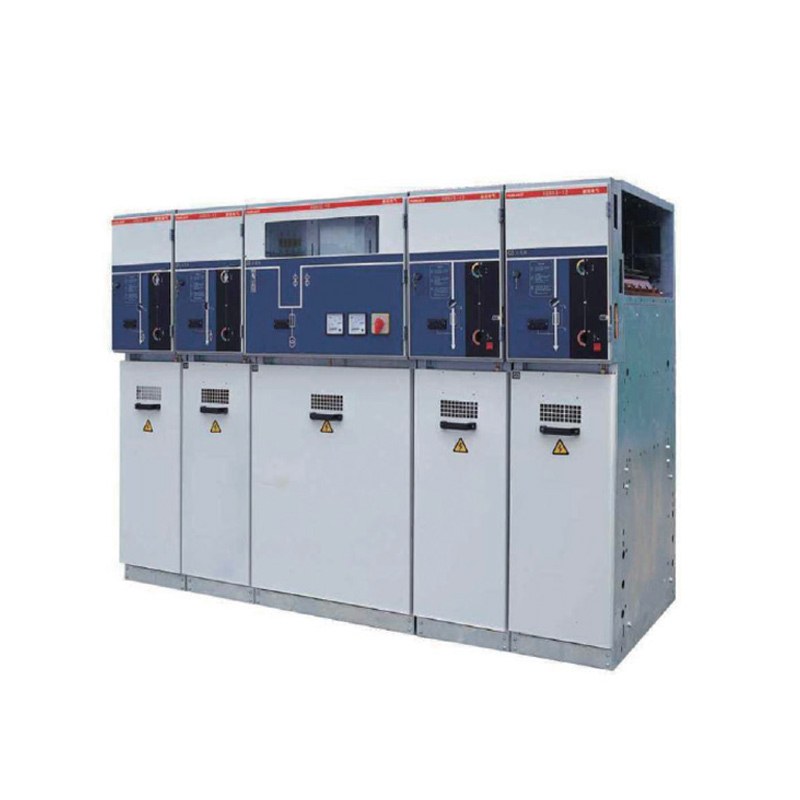
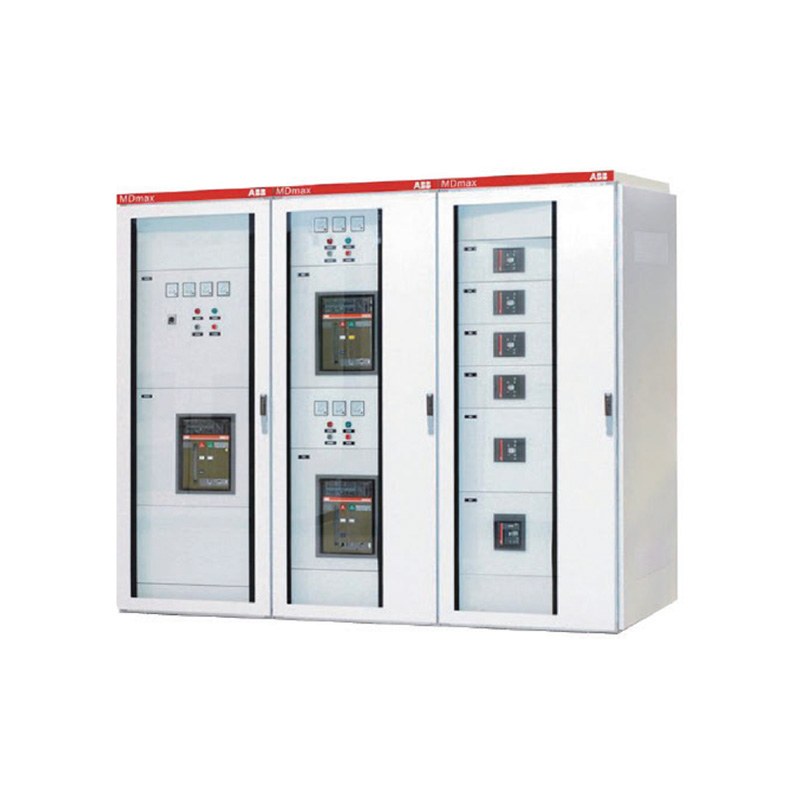
The MDmax page describes withdrawable, movable and plug-in functional-unit options. These structures should be identified separately in the offer because their operation and maintenance requirements can differ. Clarify the selected MDmax low voltage switchgear arrangement before comparing it with another switchgear family.
Review indication, operating positions and auxiliary connections for the actual units. Do not assume that all options listed on the product page are supplied in one standard configuration.
Withdrawable low-voltage equipment should be evaluated as a complete assembly with defined functional units and operating states. Drawer dimensions, interlocks, auxiliary connections and the fixed section all affect serviceability. A removable unit does not automatically make all maintenance possible without an outage.
Review the MDmax Low Voltage Switchgear product entry alongside the Withdrawable Switchgear category. Confirm the final offered configuration in controlled drawings and a technical schedule. GCK, GCS, MNS and MDmax are separate product families. Avoid declaring drawers interchangeable across families. The catalogue references older standards, so the purchase specification needs a current, configuration-specific evidence review.
3. Interlocks and Operating States
For the MDmax low voltage switchgear review, the MDmax low voltage switchgear design team should document allowed states and prohibited combinations. An interlock specification should describe operating states, not merely request interlocks in general. Identify which operations must be prevented, which indications are required and how the arrangement behaves if auxiliary power is lost. Mechanical and electrical interlocks serve different purposes and should be shown in the design documents.
Ask for a state table and a functional description that the project team can review before manufacture. For removable equipment, distinguish service, test and isolated positions according to the actual design. For source transfer, define the permitted source combinations. Acceptance checks should follow the approved method and should never rely on defeating protective functions. Record the results against the final configuration. A substitute device or modified control circuit can change the interlocking behavior, so the change must receive engineering review before release. Keep this point linked to the MDmax low voltage switchgear configuration and its approved interface documents.
4. Outage Planning
For the MDmax low voltage switchgear review, the design team should turn maintenance access into a realistic interruption plan. An outage plan starts with the MDmax low voltage switchgear that will be isolated and the loads affected. Map every relevant supply path, including standby sources, auxiliary power and possible backfeeds. Identify the work boundary and the services that must remain available. A removable device can improve maintainability without making every task possible while adjacent equipment remains energized.
Have qualified personnel prepare the switching and isolation procedure for the actual installation. Confirm the duration needed for access, inspection, replacement and verification. Include the conditions for restoration and the person who authorizes it. For procurement, ask how the proposed layout supports the intended maintenance strategy and what limitations remain. The commercial value of easier maintenance should be assessed against a credible work plan, not an unsupported promise that outages disappear. Keep this point linked to the MDmax low voltage switchgear configuration and its approved interface documents.
5. Operator Training and Handover
For the MDmax low voltage switchgear review, the design team should teach the actual operating sequence and its limitations. Training should follow the MDmax low voltage switchgear and system that the owner will operate. Agree the audience, required knowledge and the tasks covered. Use the final drawings, operating sequence and alarm list rather than a generic presentation that omits the site's source arrangement and interlocks.
Include the limits of the permitted tasks and the process for obtaining qualified maintenance support. Training does not authorize unqualified personnel to work on exposed electrical parts. Ask for the operating manual, attendance record and any configuration-specific demonstrations included in the contract. Where remote control or standby transfer is present, explain local and remote responsibilities and the response to communication or auxiliary supply loss. A useful handover leaves the owner able to identify the MDmax low voltage switchgear, interpret its indications and follow the approved operating procedure. Keep this point linked to the MDmax low voltage switchgear configuration and its approved interface documents.
6. Protection Selectivity
For the MDmax low voltage switchgear review, the MDmax low voltage switchgear design team should define which part of the system should disconnect. Selectivity starts with the required outage boundary. Identify which downstream fault should be isolated without interrupting healthy loads and which operating cases must be assessed. Compare overload and fault regions separately. A larger upstream breaker is not, by itself, evidence that downstream faults will clear selectively.
Request the applicable device data, settings and coordination evidence for the proposed combination. For a fuse and switching arrangement, the designer should also assess the interaction between the protective functions and the connected equipment. Keep changes to breaker family, fuse characteristics and source impedance under technical review. The final handover should contain a settings register that identifies the installed devices, the approved values and the revision used for acceptance. This makes later troubleshooting and expansion much more reliable than retaining a general brochure. Keep this point linked to the MDmax low voltage switchgear configuration and its approved interface documents.
7. Standby Source Coordination
For the MDmax low voltage switchgear review, the design team should coordinate transfer behavior with the loads and sources. A standby supply design begins with the loads that need continuity and the interruption they can tolerate. Identify the normal and alternate sources, the transfer method and the required restoration behavior. Switching equipment does not create backup energy, and a transfer arrangement alone does not guarantee uninterrupted power.
Review generator starting, load pickup, source capacity and neutral or earthing requirements with the responsible designer. State whether automatic retransfer is required and how maintenance isolation will be provided. Keep the cause-and-effect description tied to the selected controller and switching devices. The acceptance plan should simulate the agreed failure and restoration conditions without exposing personnel to unsafe operations. Provide the operating team with the final sequence, the alarm meanings and the conditions that require manual intervention. Keep this point linked to the MDmax low voltage switchgear configuration and its approved interface documents.
8. Metering Scope
For the MDmax low voltage switchgear review, the design team should define which measurements are needed and who uses them. Start metering selection with the operational decision. Billing, load management, power-quality diagnosis and local indication can require different measurements and different evidence. List the required quantities, reporting interval, communication interface, time reference and access rights. A meter with many functions may still lack the data pathway needed by the facility.
Agree the boundary between utility metering and customer monitoring. Where instrument transformers are involved, define their purpose and the information needed for selection instead of specifying a ratio alone. Ask for a point list and a drawing showing the measurement locations. During acceptance, verify identification, scaling, direction and the requested communication functions using the approved procedure. The resulting data should be interpretable after handover, with units and device references that match the MDmax low voltage switchgear register. Keep this point linked to the MDmax low voltage switchgear configuration and its approved interface documents.

9. Compare the proposal with the required evidence
Build the comparison around interlocks and operating states, then check the related interfaces. For MDmax low voltage switchgear, the relevant boundaries include incoming and section busbars; outgoing functional units; power and auxiliary contacts; control and communication; cable compartments and replacement access. Put the requirement and supplier response in adjacent columns so that differences are visible before purchase.
Pay particular attention to a replacement drawer that fits mechanically but differs electrically or functionally. Require the approved unit schedule, operating-state description, assembly ratings, interchangeability rules and verification records. If a supplier proposes an alternative, ask which drawings, ratings, accessories and acceptance steps change. The commercial saving should be evaluated with those effects included.
| Review item | Incomplete basis | Useful approval evidence |
|---|---|---|
| Interlocks and Operating States | A product-family name or an unchecked assumption | A documented basis to document allowed states and prohibited combinations |
| Operating duty | A headline current or voltage without context | A duty schedule covering the approved operating cases |
| Interfaces | Symbols without cable, control or civil details | incoming and section busbars; outgoing functional units; power and auxiliary contacts; control and communication; cable compartments and replacement access |
| Verification | Unrelated certificates or a similar product demonstration | the approved unit schedule, operating-state description, assembly ratings, interchangeability rules and verification records |
| Change control | An email substitution with no impact review | An approved revision and identified consequences |
10. Work through a project review before release
Consider a constrained electrical room purchasing MDmax low voltage switchgear. The buyer receives two offers that appear to cover the same requirement. Offer A identifies the proposed MDmax low voltage switchgear configuration and supplies the supporting interface schedule. Offer B lists a broad series name and leaves the assumptions open. These are illustrative offers, with no invented prices or performance results.
The first review action is to establish the coordinated room drawing and the service-access review. The second is to ask both bidders how they will document allowed states and prohibited combinations. Use the same technical questions for both offers. Any difference in outage planning or operator training and handover should be referred to the responsible designer rather than resolved by choosing the lower commercial total.
Before approving the MDmax low voltage switchgear order, close the unresolved interface questions and record the selected configuration. Identify what remains dependent on site work and who will verify it. If the requirement changes, reopen the affected assessment. This creates a practical release decision that the receiving and commissioning teams can understand.
11. Prepare the inquiry and acceptance package
Send the system diagram, load or feeder information, installation conditions and the specific interlocks and operating states requirement with the inquiry. For MDmax low voltage switchgear, also include the relevant cable or control interfaces and the documents required at handover. State quantities and delivery destination separately from the technical duty.
Dongfang’s Withdrawable Switchgear solution support can be used as a starting point for discussing the configuration. Ask for a written response that identifies the proposed supply, deviations, evidence and project responsibilities. Final equipment selection should follow the responsible project designer’s assessment.
For the applicable product-standard context, consult the IEC low-voltage assembly verification scope and specify the required part and edition with the project team. The reference explains the relevant standard family; it does not certify a particular Dongfang configuration.
12. Request a configuration review
To discuss interlocks and operating states for your MDmax low voltage switchgear, send Dongfang Electric Power your project requirements. Include the coordinated room drawing and the service-access review, the MDmax low voltage switchgear schedule and the unresolved interface questions. Request a configuration-specific technical offer and an evidence list for review before purchase.
Frequently asked questions
What information is needed to review interlocks and operating states for the MDmax low voltage switchgear?
Provide the coordinated room drawing and the service-access review, the approved system diagram and the relevant operating conditions. The review should establish how to document allowed states and prohibited combinations, then confirm the offered configuration and the acceptance evidence.
Does the MDmax product name establish every required rating?
No. Review indication, operating positions and auxiliary connections for the actual units. Do not assume that all options listed on the product page are supplied in one standard configuration. The supplied MDmax low voltage switchgear needs a controlled technical schedule tied to the actual configuration. A catalogue range or keyword does not confirm every optional function.
Which interfaces need checking before ordering the MDmax low voltage switchgear?
Review incoming and section busbars; outgoing functional units; power and auxiliary contacts; control and communication; cable compartments and replacement access. Assign responsibility for each boundary and keep the supplier response aligned with the approved drawings. Unresolved interfaces should remain visible in the review register.
How should alternative MDmax low voltage switchgear offers be compared?
Use the same requirement schedule and ask each bidder for deviations, scope boundaries and evidence. For this decision, compare interlocks and operating states with outage planning and operator training and handover so that a price difference does not hide a configuration difference.
What records should accompany the MDmax low voltage switchgear handover?
Retain the approved unit schedule, operating-state description, assembly ratings, interchangeability rules and verification records, the final drawings, asset identifiers and applicable operating information. Keep factory verification distinct from site acceptance and close open technical items through documented review.