Table of Contents
Introduction
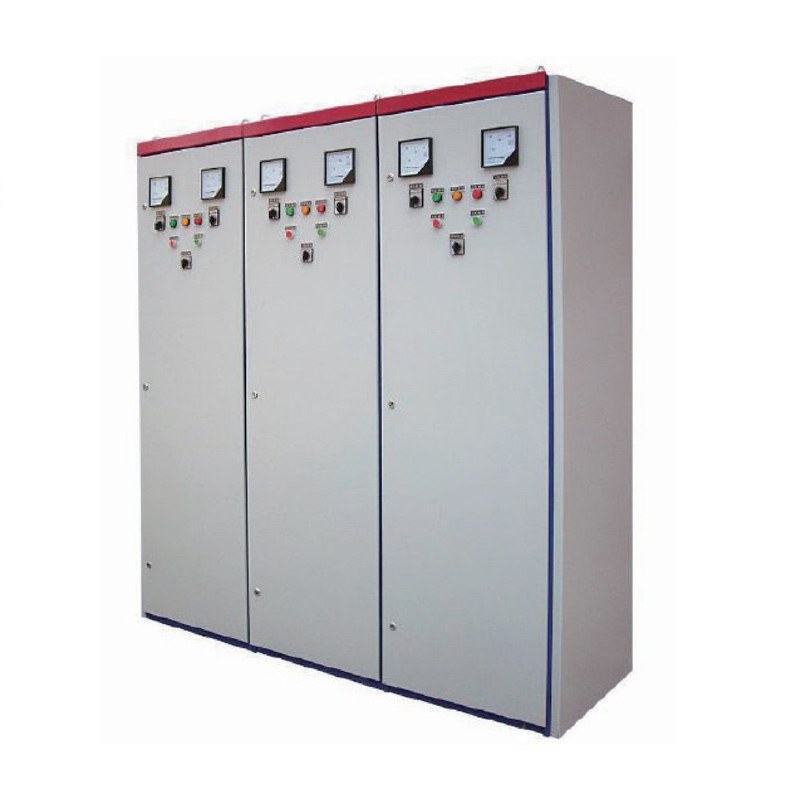
Reliable electrical distribution is a critical foundation for industrial operations. Whether a project involves manufacturing facilities, energy systems, infrastructure construction, or commercial electrical networks, stable power distribution directly affects equipment performance, operational safety, and long-term reliability.
An Outdoor Distribution Box is designed to provide safe and organized power distribution in outdoor or semi-outdoor environments. Compared with traditional indoor electrical enclosures, outdoor distribution solutions must handle more demanding conditions, including moisture, dust, temperature fluctuations, mechanical impact, and continuous exposure to external environments.
Selecting the right Outdoor Distribution Box is not simply about choosing an enclosure with suitable dimensions. Industrial projects require a complete evaluation of electrical requirements, protection levels, structural design, installation conditions, and future expansion possibilities.
According to practical engineering experience, many electrical failures are not caused by insufficient equipment capacity but by improper selection during the early project planning stage. A correctly configured Outdoor Distribution Box can help improve electrical safety, reduce maintenance frequency, and support more stable operation throughout the equipment lifecycle.
For projects requiring reliable outdoor power management, professional Outdoor Distribution Box solutions provide an effective approach to improving electrical distribution efficiency and system protection.
What Is an Outdoor Distribution Box and Why Does It Matter?
An Outdoor Distribution Box is an electrical enclosure used to receive, distribute, and protect electrical power in outdoor applications. It combines protective devices and connection components inside a durable enclosure to ensure electricity can be safely transferred to different circuits and equipment.
The main purpose of an Outdoor Distribution Box is to create a controlled environment for electrical components while protecting them from external factors.
A typical outdoor distribution system includes:
| Component | Function |
|---|---|
| Protective enclosure | Prevents dust, moisture, and external damage from affecting internal components |
| Circuit breakers | Protects circuits from overload and short-circuit conditions |
| Busbars | Distributes electrical current between different circuits |
| Terminal blocks | Provides organized and secure cable connections |
| Cable entry system | Ensures safe cable installation and sealing |
| Monitoring components | Supports inspection and operational management |
Unlike simple junction boxes, Outdoor Distribution Boxes usually provide more complete protection and control functions. They are designed for applications where electrical reliability and safety are important requirements.
In industrial environments, electrical equipment often operates continuously. Any unexpected power interruption may affect production efficiency, equipment performance, and maintenance schedules. Therefore, selecting a reliable distribution solution becomes an essential part of project planning.
How Does an Outdoor Distribution Box Work in Electrical Systems?
The working principle of an Outdoor Distribution Box is based on controlled electrical distribution.
Incoming electrical power enters the box from the main supply source. Inside the enclosure, protective devices regulate and control the power flow before distributing electricity to different outgoing circuits.
The process generally includes three stages:
Power Input
Electrical energy enters the distribution box through incoming cables connected to the main power supply.
Circuit Protection
Protective components monitor electrical conditions and help prevent damage caused by excessive current, short circuits, or abnormal operation.
Power Distribution
The protected electrical energy is distributed through multiple outgoing circuits connected to industrial equipment, lighting systems, or other electrical loads.
This structure allows operators to manage multiple power connections through a centralized and organized system.
For industrial applications, the advantage of an Outdoor Distribution Box is not only power distribution but also improved electrical management. Proper separation of circuits makes inspection, troubleshooting, and maintenance more efficient.
Why Industrial Projects Need Reliable Outdoor Distribution Boxes
Industrial electrical systems often face more challenging conditions than standard commercial applications. Equipment may be installed outdoors, near machinery, or in locations where environmental factors can affect electrical performance.
A high-quality Outdoor Distribution Box helps solve several common challenges.
Protection Against Harsh Environmental Conditions
Outdoor electrical equipment must withstand various environmental influences, including:
- Rain and humidity
- Dust accumulation
- Temperature changes
- Mechanical impact
- Outdoor exposure
The enclosure design determines how effectively internal components are protected.
Protection ratings are an important consideration when selecting an Outdoor Distribution Box. The IP Code provides a standardized classification system that defines how effectively electrical enclosures protect internal components against dust, solid objects, and water exposure. A suitable IP rating helps ensure reliable performance in different outdoor installation environments.
Choosing an appropriate protection level helps ensure that electrical components maintain reliable operation under actual installation conditions.
Improving Electrical Safety and Reliability
Industrial projects require electrical systems that can operate safely over long periods.
An Outdoor Distribution Box improves reliability by:
- Reducing exposure of electrical components
- Supporting safer circuit management
- Providing protection against electrical faults
- Creating organized cable connections
- Simplifying maintenance procedures
A well-designed system reduces unnecessary downtime and allows technicians to identify problems more efficiently.
Key Factors to Consider When Selecting an Outdoor Distribution Box
Choosing the correct Outdoor Distribution Box requires a comprehensive evaluation process. Different projects have different electrical loads, environmental conditions, and operational requirements.
The following factors should be considered before selection.
Protection Level and Environmental Resistance
Protection performance is one of the most important considerations for outdoor electrical equipment.
The required protection level depends on:
- Installation environment
- Exposure to water or dust
- Operating temperature
- Maintenance conditions
- Expected service life
A distribution box installed in a clean and protected area may require different characteristics compared with equipment operating in a harsh outdoor environment.
Selecting the correct protection level helps balance reliability, practicality, and maintenance requirements.
Material Quality and Structural Design
The enclosure material directly influences long-term durability.
A suitable Outdoor Distribution Box should provide:
- Strong mechanical protection
- Resistance to environmental exposure
- Stable structural performance
- Convenient maintenance access
The internal layout is also important. Good structural design should allow:
- Clear cable arrangement
- Easy inspection
- Safe component replacement
- Efficient heat management
For industrial projects, equipment design should not only focus on initial installation but also consider long-term operation.
Electrical Performance and Configuration Requirements
Electrical specifications must match project requirements.
Important parameters include:
| Selection Factor | Importance |
|---|---|
| Rated voltage | Ensures compatibility with the electrical system |
| Rated current | Determines power carrying capability |
| Circuit quantity | Supports different equipment connections |
| Protection configuration | Improves system safety |
| Expansion capability | Allows future upgrades |
Selecting unsuitable electrical parameters may lead to reduced performance or unnecessary system limitations.
Working with an experienced electrical distribution equipment manufacturer can help project teams develop configurations that match actual application requirements.
Main Applications of Outdoor Distribution Box in Industrial Projects
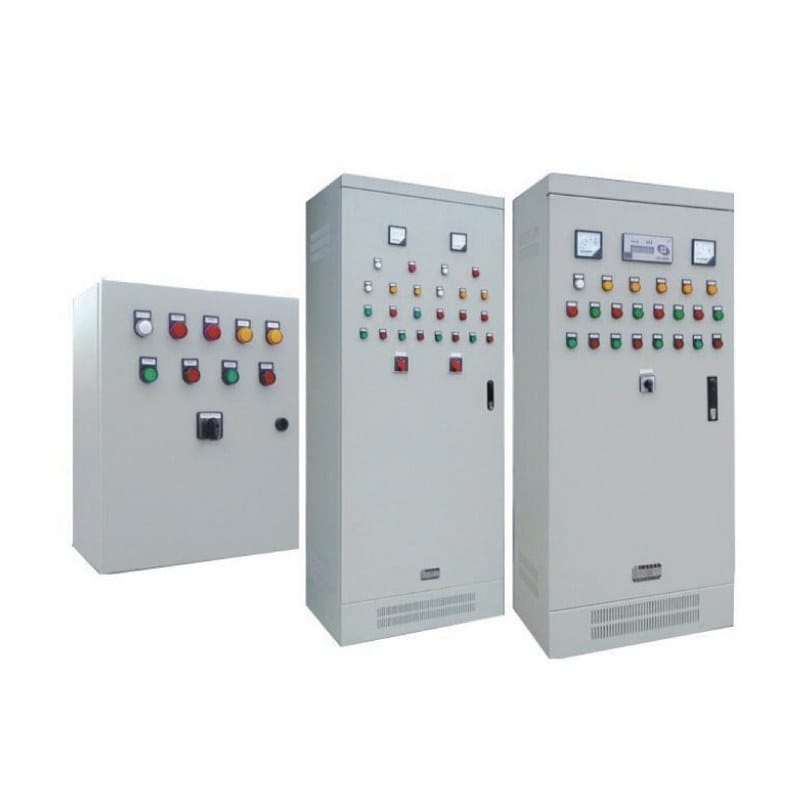
Outdoor Distribution Box systems are widely used across different industries because they provide flexible power distribution and reliable protection for electrical equipment.
The application requirements may vary depending on the working environment, electrical load, and operational objectives.
Industrial Manufacturing Facilities
Manufacturing plants often require continuous electrical supply for production equipment, automation systems, lighting networks, and auxiliary machinery.
In these environments, Outdoor Distribution Box solutions help organize electrical connections between the main power source and different equipment groups.
Key requirements for industrial manufacturing applications usually include:
- Stable electrical performance
- High protection against dust and moisture
- Easy maintenance access
- Reliable circuit protection
- Flexible expansion capability
A properly selected distribution box can help reduce unexpected interruptions and improve overall electrical system management.
Renewable Energy Systems
Outdoor electrical equipment is essential in renewable energy applications because many power generation components operate in exposed environments.
Solar power systems, energy storage facilities, and other distributed energy projects require reliable electrical distribution solutions to connect generation equipment with downstream electrical systems.
Outdoor Distribution Box applications in renewable energy systems often focus on:
- Weather resistance
- Safe cable management
- Protection of electrical components
- Long-term outdoor operation
As renewable energy systems continue to develop, electrical distribution equipment needs to provide better adaptability and monitoring capability.
Construction and Infrastructure Projects
Construction sites frequently require temporary or permanent electrical distribution systems.
An Outdoor Distribution Box provides a practical solution for distributing electricity to different working areas while maintaining safety and organization.
Typical requirements include:
- Easy installation
- Strong protection capability
- Flexible circuit arrangement
- Resistance to changing outdoor conditions
For large infrastructure projects, reliable temporary power distribution can significantly improve site safety and operational efficiency.
Commercial and Public Facilities
Outdoor distribution systems are also used in commercial buildings, transportation facilities, outdoor lighting systems, and public infrastructure.
These applications require equipment that can operate reliably while maintaining a clean and organized electrical network.
Common considerations include:
- Compact design
- Safety protection
- Environmental durability
- Convenient inspection
Outdoor Distribution Box vs Distribution Cabinet: Key Differences
Although Outdoor Distribution Box and distribution cabinets are both used for electrical power management, they serve different purposes within electrical systems.
Understanding their differences helps engineers select the right equipment for specific project requirements.
| Comparison Factor | Outdoor Distribution Box | Distribution Cabinet |
|---|---|---|
| Main Purpose | Local power distribution and circuit protection | Centralized power management and control |
| Installation Environment | Outdoor or semi-outdoor locations | Usually dedicated electrical areas |
| Structure Design | More compact and flexible | Larger and more complex |
| Application Focus | Equipment-level or branch distribution | Main distribution and system control |
| Maintenance Approach | Easier access for local inspection | Requires more detailed maintenance planning |
| Expansion Method | Suitable for modular circuit additions | Designed for larger electrical systems |
An Outdoor Distribution Box is generally suitable when power needs to be distributed close to equipment or specific application areas.
A distribution cabinet is usually preferred when a project requires centralized control of multiple power circuits.
The correct choice depends on the electrical architecture, installation environment, and operational requirements.
How to Choose the Right Outdoor Distribution Box for Your Project
Selecting an Outdoor Distribution Box requires a systematic evaluation process.
A common mistake is choosing equipment based only on current requirements without considering future operating conditions.
The following steps can help improve the selection process.
Evaluate Electrical Requirements
The first step is understanding the electrical characteristics of the project.
Important questions include:
- What is the required voltage level?
- How much current capacity is needed?
- How many outgoing circuits are required?
- Are additional circuits expected in the future?
Accurate electrical evaluation helps prevent equipment overload and improves system stability.
Analyze Installation Conditions
The installation environment directly affects equipment selection.
Consider:
- Indoor or outdoor exposure
- Weather conditions
- Dust levels
- Humidity
- Temperature range
- Physical protection requirements
A distribution box designed for a controlled environment may not perform effectively in harsh outdoor conditions.
Consider Future Expansion Needs
Industrial projects often change over time.
Production capacity may increase, additional equipment may be installed, or electrical systems may need upgrades.
Choosing an Outdoor Distribution Box with appropriate expansion capability can reduce future modification requirements.
Verify Safety and Compliance Requirements
Electrical equipment should meet relevant technical requirements and safety expectations.
Project teams should evaluate:
- Protection level
- Component quality
- Installation standards
- Maintenance accessibility
A reliable electrical system depends on both product quality and correct application.
Common Mistakes When Selecting an Outdoor Distribution Box
Even high-quality equipment may not perform effectively if it is selected incorrectly.
The following mistakes are commonly seen during project planning.
Ignoring Environmental Conditions
Some buyers focus mainly on electrical specifications while overlooking environmental factors.
For example, a distribution box installed in a humid or dusty environment requires different protection characteristics compared with equipment installed in a controlled area.
Ignoring these conditions may shorten service life and increase maintenance requirements.
Choosing the Wrong Protection Level
Protection level should match the actual installation environment.
Selecting insufficient protection may expose internal components to external damage.
However, selecting unnecessarily high protection without considering actual requirements may also increase complexity.
The goal is to choose the most suitable protection level based on real operating conditions.
Overlooking Maintenance Requirements
Electrical equipment requires regular inspection and maintenance.
A well-designed Outdoor Distribution Box should allow technicians to:
- Access components easily
- Check connections safely
- Identify potential issues
- Perform necessary repairs efficiently
Maintenance-friendly design contributes to long-term system reliability.
Focusing Only on Initial Installation
A distribution system should be evaluated throughout its expected service life.
Factors such as reliability, maintenance convenience, expansion capability, and operating environment are equally important.
A solution that performs well during installation may not provide the best value if it creates long-term operational challenges.
Future Trends of Outdoor Distribution Box Technology
Electrical distribution technology continues to evolve as industrial systems become more intelligent and connected.
Future Outdoor Distribution Box development will focus on improved monitoring, flexibility, and energy management.
Smart Monitoring Integration
Modern electrical systems increasingly require real-time information about operating conditions.
Future distribution solutions may integrate:
- Temperature monitoring
- Current measurement
- Remote status monitoring
- Fault detection functions
These technologies help operators identify potential problems earlier and improve maintenance planning.
Modular Electrical Design
Modular design is becoming increasingly important for industrial applications.
A modular Outdoor Distribution Box allows easier adjustment according to changing project requirements.
Benefits include:
- Faster installation
- Easier expansion
- Simplified maintenance
- Improved system flexibility
Higher Reliability and Energy Efficiency Requirements
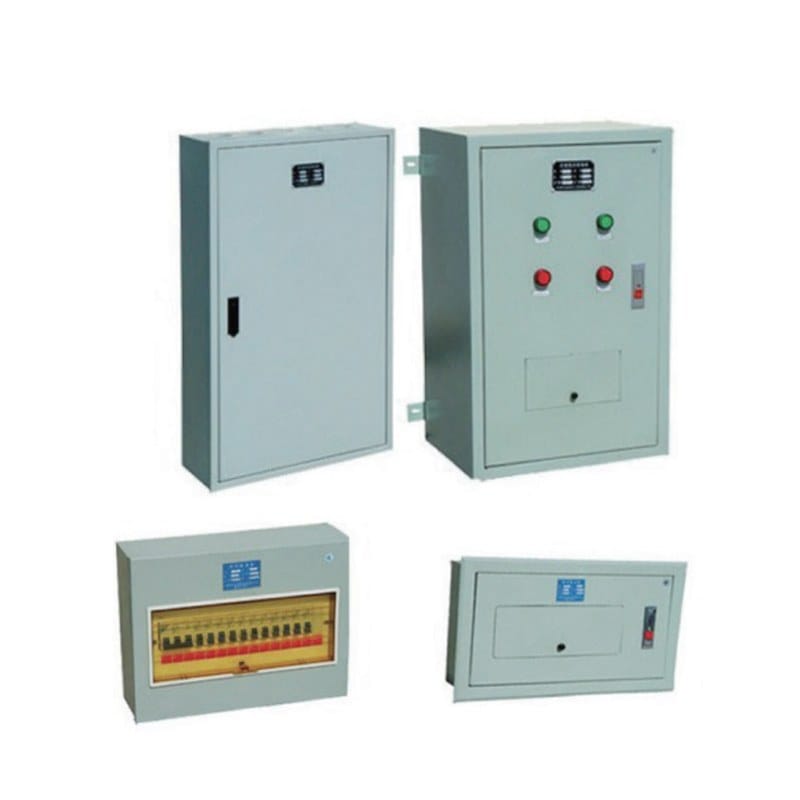
As industrial systems become more dependent on continuous power supply, electrical equipment must provide higher reliability.
Future designs will continue improving:
- Component protection
- Heat management
- Electrical efficiency
- System integration capability
The development direction of outdoor distribution equipment is moving toward safer, smarter, and more adaptable solutions.
Conclusion
An Outdoor Distribution Box is an essential component in modern industrial electrical systems. It provides safe power distribution, protects electrical components, and improves system reliability in demanding outdoor environments.
Choosing the right solution requires careful consideration of multiple factors, including protection level, material quality, electrical parameters, installation conditions, and future expansion requirements.
For industrial projects, the best selection is not simply the product with the highest specifications. It is the solution that matches the actual application environment and provides reliable performance throughout its service life.
By evaluating project requirements carefully and selecting professionally designed equipment, businesses can create safer electrical networks, reduce maintenance risks, and achieve more stable long-term operation.
FAQ
What is an Outdoor Distribution Box used for?
An Outdoor Distribution Box is used to distribute electrical power safely in outdoor environments. It protects internal components, organizes circuit connections, and provides electrical protection for industrial, commercial, and infrastructure applications.
How do I choose the right Outdoor Distribution Box?
The selection depends on electrical requirements, protection level, installation environment, material quality, circuit configuration, and future expansion needs. A suitable solution should match both current operation and future development.
Why is IP protection important for Outdoor Distribution Box?
IP protection indicates how well an enclosure protects electrical components against dust and water. Choosing the correct IP level helps ensure reliable operation under different environmental conditions.
Can Outdoor Distribution Box be customized?
Yes. Industrial projects often require customized configurations based on voltage requirements, circuit numbers, installation conditions, and specific application needs.
What industries use Outdoor Distribution Box systems?
Outdoor Distribution Box systems are commonly used in manufacturing, renewable energy, infrastructure projects, commercial facilities, and other applications requiring reliable outdoor electrical distribution.