Table of Contents
Introduction
Modern industrial facilities depend on stable and efficient electrical systems to maintain continuous production, protect equipment, and improve operational performance. From manufacturing plants and automated production lines to commercial facilities and infrastructure projects, electrical reliability directly influences safety, productivity, and long-term operating efficiency.
A Low Voltage Transformer is one of the essential components in a power distribution system. It helps convert electrical voltage levels to match the requirements of different equipment and ensures that downstream systems receive suitable power. However, choosing the right transformer requires more than simply selecting a product based on voltage capacity.
Engineers and project managers must evaluate multiple factors, including electrical load characteristics, system compatibility, energy efficiency, installation conditions, protection requirements, and future expansion plans.
A well-selected Low Voltage Transformer can provide stable power delivery, reduce unnecessary energy losses, and support reliable operation throughout the equipment lifecycle. In contrast, an unsuitable transformer selection may create problems such as excessive heat generation, unstable operation, higher maintenance requirements, and limited system flexibility.
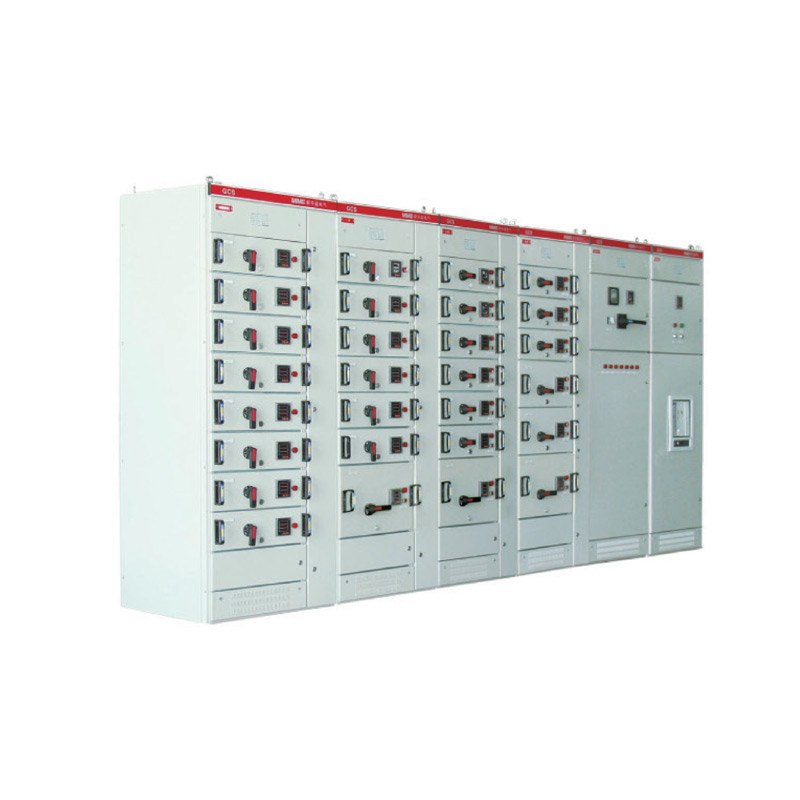
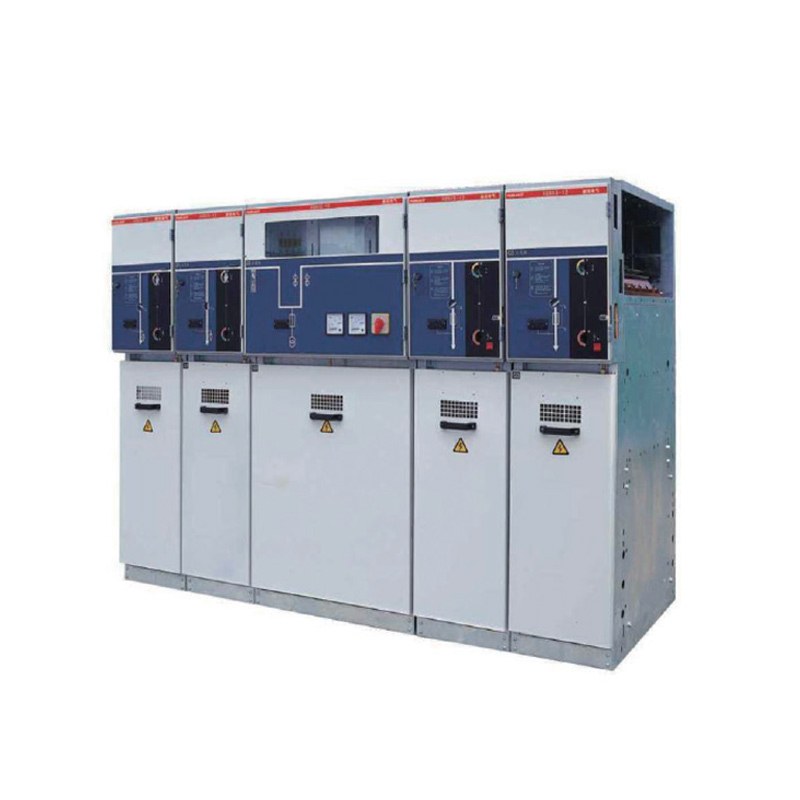
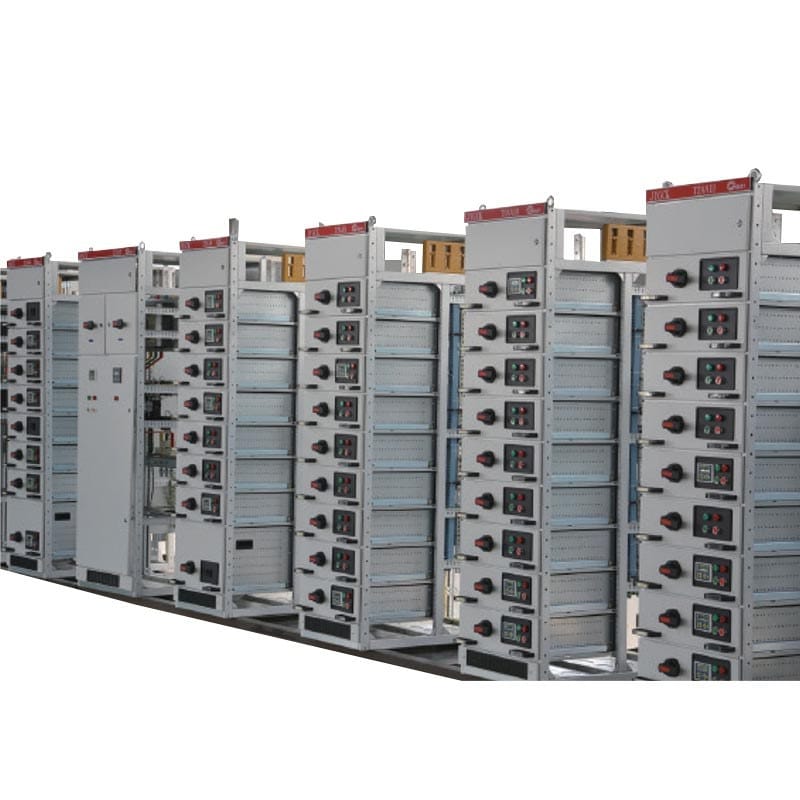
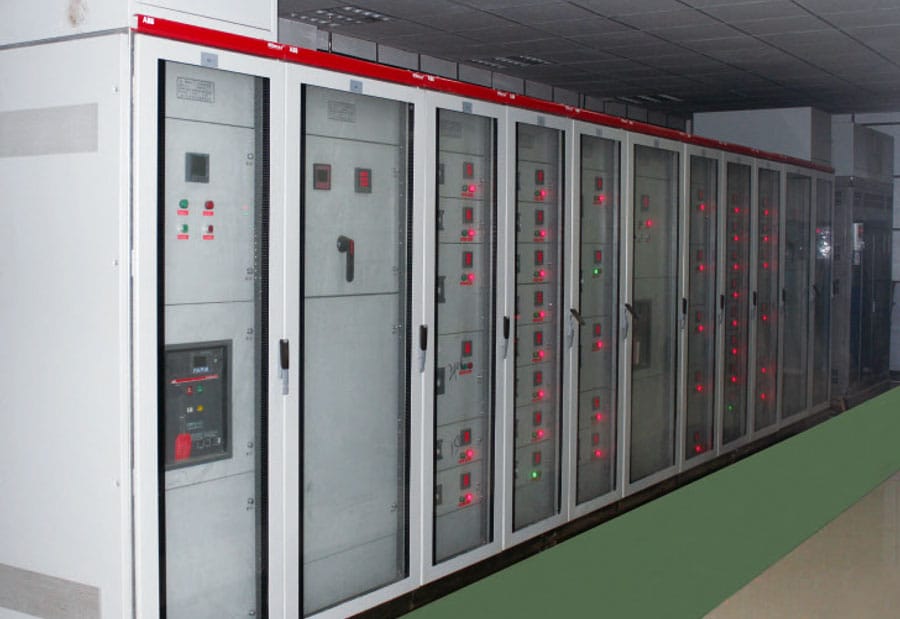
For industrial applications, transformer selection should always be considered together with the complete electrical distribution structure, including switchgear, distribution cabinets, cables, and protection systems. DFDL provides integrated electrical solutions including low voltage distribution and control systems designed for industrial and infrastructure applications.
Understanding the Function of a Low Voltage Transformer
A Low Voltage Transformer is an electrical device that transfers electrical energy between circuits while changing voltage levels through electromagnetic induction. Its primary purpose is to provide the appropriate voltage required by different electrical loads while maintaining reliable power transmission.
Industrial electrical systems usually contain various types of equipment, such as:
- Production machinery
- Motors
- Automation controllers
- Lighting systems
- Control equipment
- Auxiliary electrical devices
Each type of equipment may have different voltage requirements. A transformer allows these systems to operate safely and efficiently by adjusting electrical parameters according to application needs.
The operating principle of a transformer is based on the relationship between electrical current and magnetic fields. When alternating current flows through the primary winding, it creates magnetic flux inside the transformer core. This magnetic field then induces voltage in the secondary winding, allowing electrical energy to be transferred at another voltage level.
According to the principle of electromagnetic induction, changing magnetic fields can generate electrical voltage in conductors, which is the foundation of transformer operation.
Key Factors to Consider Before Selecting a Low Voltage Transformer
Selecting a Low Voltage Transformer requires a complete evaluation of the project environment. The correct choice depends on electrical requirements, operating conditions, and long-term system expectations.
| Selection Factor | Why It Matters | Key Evaluation Points |
|---|---|---|
| Voltage Compatibility | Ensures correct operation with the electrical system | Input voltage, output voltage, frequency |
| Load Capacity | Prevents overload and improves reliability | Connected load, peak demand, expansion plans |
| Efficiency Performance | Helps reduce energy losses | Transformer efficiency, operating conditions |
| Installation Environment | Determines suitable transformer design | Temperature, ventilation, humidity, dust |
| Protection Requirements | Improves safety and system coordination | Insulation level, protection devices, fault conditions |
Voltage Requirements and System Compatibility
The first step in selecting a Low Voltage Transformer is understanding the electrical characteristics of the project.
Important factors include:
- Incoming power voltage
- Required output voltage
- Frequency requirements
- Connection method
- Equipment operating conditions
A transformer must be fully compatible with the electrical network. Incorrect voltage matching can reduce equipment performance and create unnecessary operational risks.
For industrial projects, engineers should review electrical drawings, load schedules, and equipment specifications before confirming transformer requirements.
Load Capacity and Future Expansion
Transformer capacity is one of the most important considerations during selection.
Many industrial facilities expand over time by adding:
- New production equipment
- Additional automation systems
- Increased electrical loads
- New operational areas
Selecting a transformer only according to current demand may create limitations in future operation.
A professional selection process should consider:
- Continuous operating load
- Peak power demand
- Motor starting requirements
- Load diversity
- Future expansion possibilities
This approach helps ensure that the Low Voltage Transformer can support changing operational requirements.
Different Types of Low Voltage Transformers and Their Applications
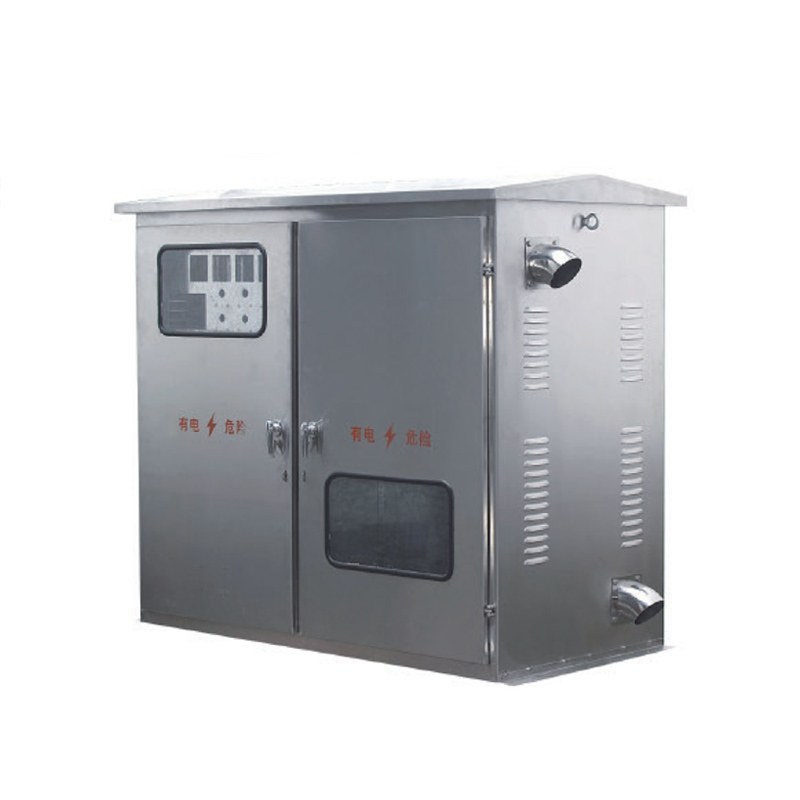
Different transformer designs are suitable for different environments. Understanding their characteristics helps engineers select the most appropriate solution.
Dry Type Low Voltage Transformers
Dry type transformers use solid insulation materials instead of liquid insulation. They are commonly used in applications where environmental safety, indoor installation, and reduced maintenance requirements are important.
Typical advantages include:
- Lower maintenance requirements
- Suitable indoor installation
- Strong environmental adaptability
- Reliable insulation performance
These transformers are often considered for industrial facilities, commercial buildings, and projects requiring clean electrical rooms.
Industrial Distribution Transformers
Industrial environments require transformers capable of supporting continuous operation and demanding electrical conditions.
Industrial Low Voltage Transformers are commonly integrated with:
- Distribution cabinets
- Switchgear systems
- Protection devices
- Cable networks
The transformer is not an isolated component but part of a complete electrical distribution system.
DFDL provides a range of electrical distribution products, including power distribution equipment supporting industrial and project-based applications.
Transformers for Commercial and Infrastructure Applications
Commercial and infrastructure projects often require reliable electrical systems that can support various loads.
Typical considerations include:
- Available installation space
- Maintenance accessibility
- Safety requirements
- Long-term operating stability
The transformer should be selected based on the entire electrical system design rather than individual equipment requirements.
How to Match a Low Voltage Transformer with Industrial Applications
Different applications have different electrical characteristics. Understanding the working environment helps determine the most suitable transformer configuration.
Manufacturing Facilities
Manufacturing plants often operate multiple machines simultaneously, creating complex load conditions.
A suitable Low Voltage Transformer should provide:
- Stable voltage output
- Reliable continuous operation
- Compatibility with industrial equipment
- Efficient energy conversion
Power instability can interrupt production processes and affect equipment performance, making transformer selection an important part of industrial planning.
Automated Production Systems
Automation equipment often depends on stable electrical conditions. Voltage fluctuations may affect sensitive control components and production accuracy.
When selecting transformers for automation environments, engineers should consider:
- Power quality requirements
- Harmonic conditions
- Equipment sensitivity
- Continuous operation needs
A suitable transformer helps create a stable electrical environment for automated systems.
Large Electrical Distribution Networks
Large facilities require coordinated electrical planning. Transformers, switchgear, cables, and protection equipment must work together.
A properly designed distribution system improves:
- Operational reliability
- Maintenance efficiency
- Equipment protection
- Future scalability
Important Technical Specifications to Review
Before selecting a Low Voltage Transformer, technical specifications should be carefully evaluated.
Rated Power Capacity
The transformer capacity should match the expected electrical demand.
An undersized transformer may experience excessive stress, while an oversized transformer may reduce system efficiency.
Engineers should evaluate:
- Actual load requirements
- Operating patterns
- Expansion expectations
Insulation and Protection Level
Insulation performance directly affects transformer safety and durability.
Selection considerations include:
- Operating environment
- Electrical protection coordination
- Temperature conditions
- Safety requirements
Cooling Method and Thermal Management
Heat management plays an important role in transformer reliability.
A transformer operating under excessive thermal stress may experience reduced efficiency and shortened service life.
Proper cooling design helps maintain stable operation under different working conditions.
Common Mistakes When Choosing a Low Voltage Transformer
Several mistakes can affect transformer performance and system reliability.
One common mistake is focusing only on voltage rating while ignoring actual load characteristics.
Another mistake is failing to consider future expansion. Industrial electrical demand often changes over time, and transformer selection should include long-term planning.
A third mistake is selecting the transformer separately from other electrical equipment. A complete power distribution system requires coordination between transformers, switchgear, cables, and protection devices.
A successful transformer selection process should always consider the entire electrical system.
How Professional Manufacturers Support Better Transformer Selection
Selecting a Low Voltage Transformer is both an engineering decision and an equipment decision.
Professional manufacturers can support customers through:
- Technical requirement analysis
- Equipment configuration recommendations
- System compatibility evaluation
- Documentation preparation
- Project communication
Experienced suppliers understand that each project has different electrical requirements. A suitable transformer solution should be based on actual operating conditions rather than a standard selection approach.
For industrial projects requiring technical communication and equipment coordination, customers can connect with DFDL through its contact support team.
Future Trends in Low Voltage Transformer Development
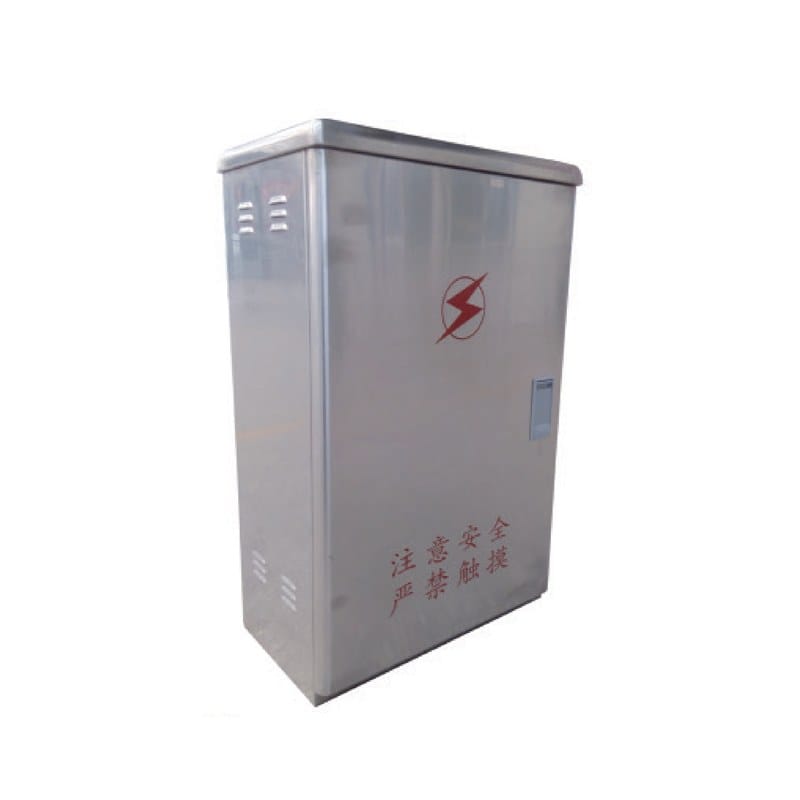
The electrical industry continues to evolve with increasing demand for efficiency, automation, and smarter energy management.
Several trends are influencing Low Voltage Transformer development.
Improved Energy Efficiency
Reducing electrical losses has become an important objective for industrial power systems. Modern transformer designs focus on improving efficiency while maintaining reliable operation.
Smart Monitoring Integration
Digital monitoring technologies are becoming increasingly important. Smart systems can help track operating conditions, identify abnormal situations, and improve maintenance planning.
Flexible Power Distribution Systems
As industrial facilities become more automated, electrical systems need greater flexibility. Future transformer solutions will increasingly focus on adaptability, efficiency, and integration with modern power networks.
Conclusion
Selecting the right Low Voltage Transformer requires a complete understanding of electrical requirements, application conditions, technical specifications, and future development goals.
The ideal transformer is not necessarily the largest or most advanced option. The best choice is the one that matches the actual project environment while providing reliable performance, efficient operation, and long-term value.
By carefully evaluating voltage requirements, load capacity, installation conditions, and manufacturer capabilities, engineers and project owners can build safer and more efficient electrical distribution systems.
FAQ
What is a Low Voltage Transformer?
A Low Voltage Transformer is an electrical device that changes voltage levels through electromagnetic induction. It provides suitable power conditions for industrial equipment, commercial systems, and electrical distribution applications.
How do I choose the right Low Voltage Transformer?
The selection depends on voltage requirements, load capacity, operating environment, efficiency requirements, protection conditions, and future expansion plans.
Where are Low Voltage Transformers commonly used?
They are widely used in industrial facilities, commercial buildings, automation systems, infrastructure projects, and electrical distribution networks.
Why is transformer efficiency important?
Transformer efficiency affects energy consumption and system performance. Efficient transformers help reduce unnecessary losses and improve long-term operational reliability.
How can Low Voltage Transformer service life be improved?
Proper selection, suitable installation conditions, regular inspection, and effective maintenance practices help maintain transformer performance and extend operational life.
Need Help Choosing the Right Low Voltage Transformer?
If you’re unsure about which low voltage transformer is best for your industrial project or electrical system, our experts are here to help. Contact us today for a personalized consultation, and ensure your power distribution system is reliable and properly configured. Don’t wait until electrical challenges affect your operations—get in touch now to build a safer and more efficient solution!