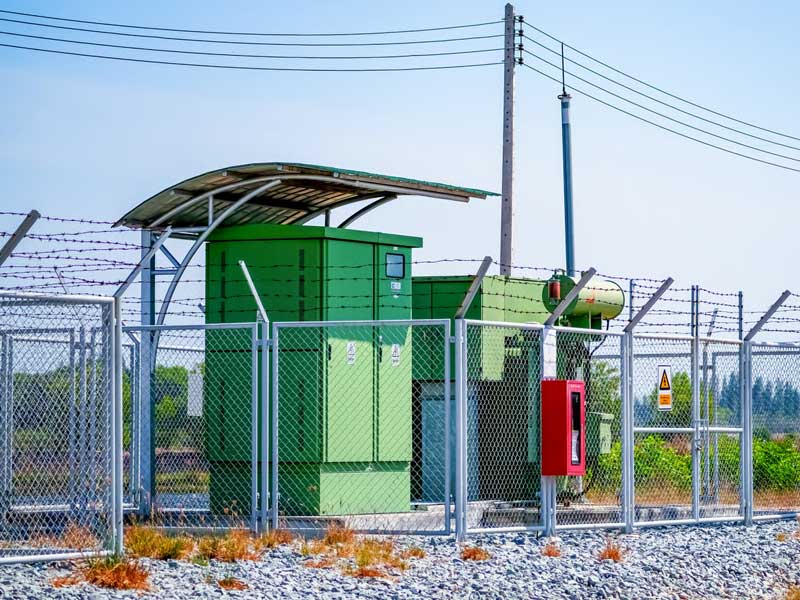
Power distribution projects often need equipment that can be installed quickly while still meeting the required electrical configuration. In urban distribution networks, industrial parks, commercial areas, and infrastructure projects, prefabricated substations offer a practical way to integrate several key functions into one organized system.
A box-type substation usually combines medium-voltage switching equipment, transformer space, low-voltage distribution equipment, metering, protection, ventilation, enclosure structure, and cable access. Compared with building every part separately on site, a prefabricated solution can reduce coordination work between different equipment areas and help the project team manage installation more efficiently.
What a prefabricated substation normally includes
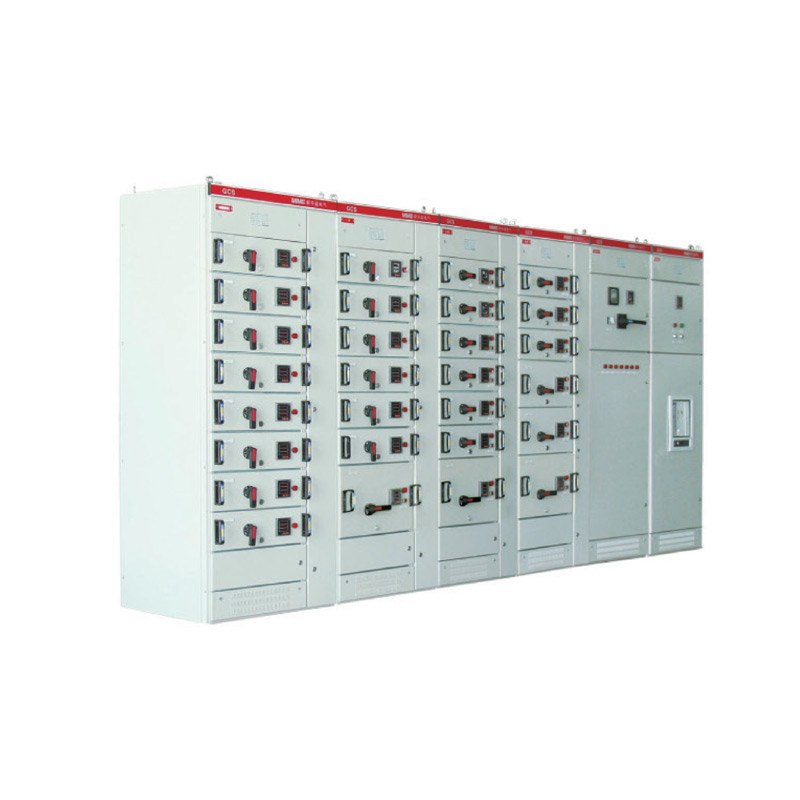
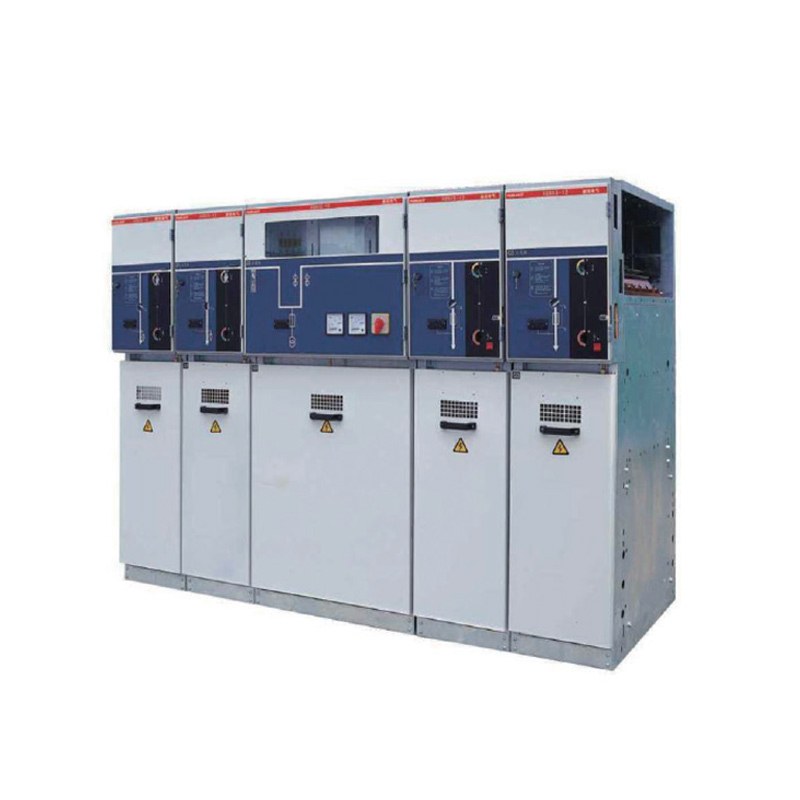
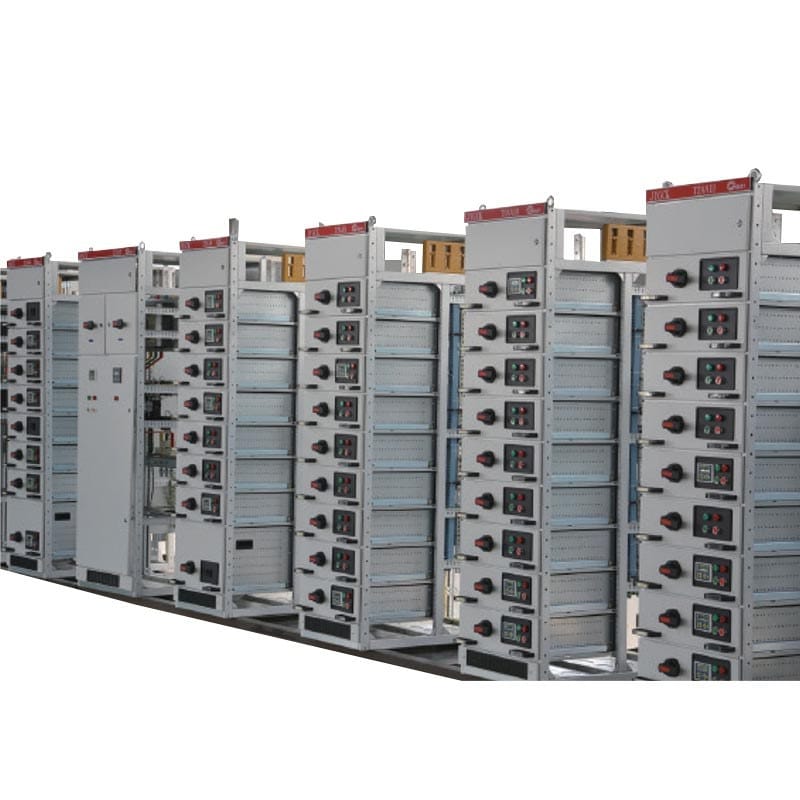
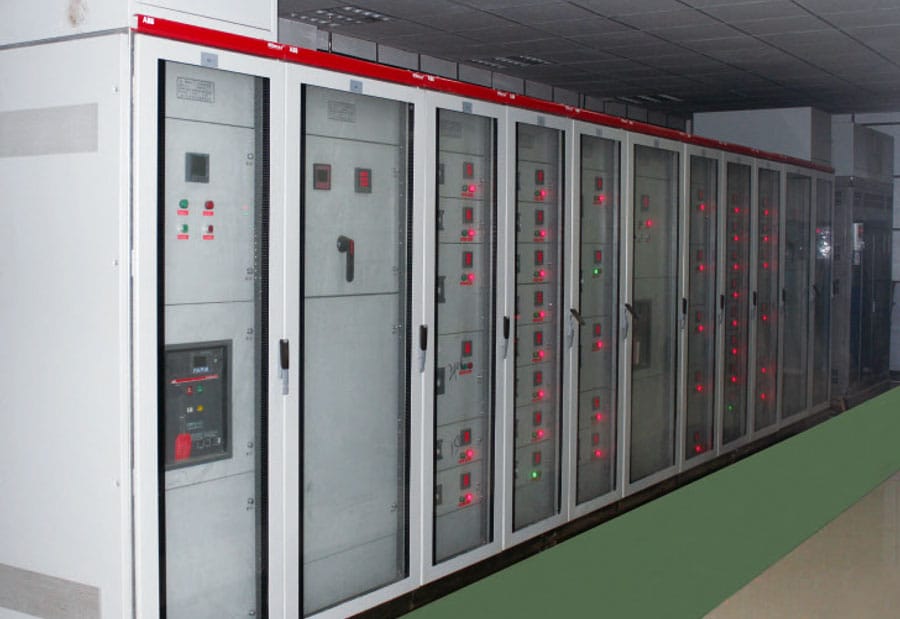
Dongfang Electric Power (Shandong) Co., Ltd. supplies box-type substations for power distribution projects. Depending on the design, the substation may include medium-voltage incoming and outgoing units, transformer compartment, low-voltage distribution cabinets, reactive power compensation cabinets, metering systems, cable connection areas, lighting, ventilation, and auxiliary control elements.
The configuration is not fixed for every project. It should be adjusted according to site conditions, voltage level, transformer capacity, incoming cable direction, outgoing circuit requirements, climate, installation space, and operation method. For outdoor projects, enclosure protection, heat dissipation, anti-corrosion treatment, and access doors are especially important.
Advantages for project execution
The main value of a prefabricated substation is integration. It allows the manufacturer and project team to discuss equipment arrangement, electrical coordination, enclosure design, and delivery as one package. This can make project planning clearer and reduce the risk of mismatch between transformer, switchgear, cable entry, and low-voltage distribution sections.
- Integrated layout for medium-voltage, transformer, and low-voltage sections.
- More predictable factory assembly and pre-delivery inspection.
- Reduced on-site coordination for equipment placement and cable connection.
- Flexible enclosure design for outdoor, industrial, commercial, or utility environments.
Important selection considerations
Buyers should review the operating environment before confirming the substation. Indoor or outdoor installation, ambient temperature, dust, humidity, ventilation, altitude, maintenance access, and installation foundation can all affect the final structure. Electrical requirements are equally important, including transformer capacity, rated voltage, outgoing feeder quantity, compensation demand, metering method, and protection requirements.
A well-prepared requirement package allows the manufacturer to provide a more accurate configuration and drawing proposal. It also supports clearer communication on manufacturing scope, testing, packing, delivery, and installation interface.
For projects that need a coordinated distribution package, prefabricated substations provide a practical route from design review to factory assembly and site installation. They help turn multiple electrical components into a more manageable power distribution solution.