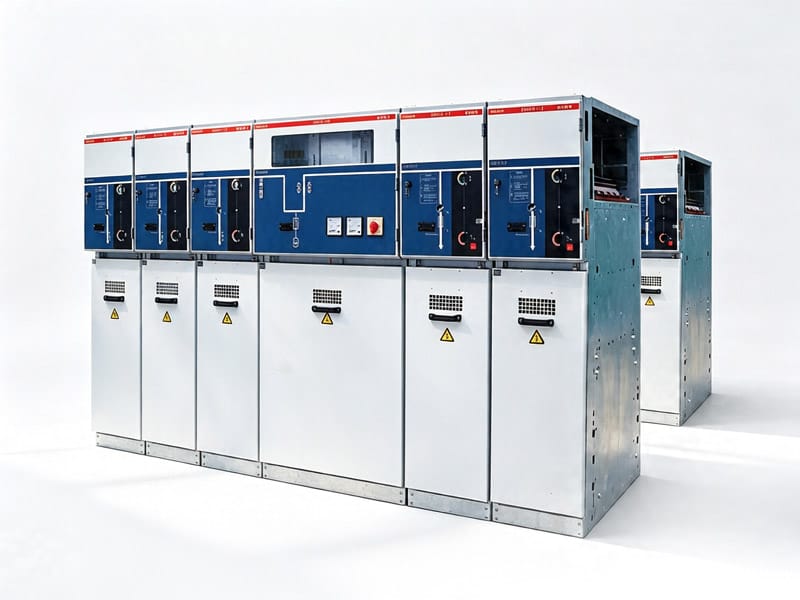
Medium-voltage distribution is one of the most important parts of an electrical project. It connects the incoming power source with transformers, branch circuits, protection devices, and downstream low-voltage equipment. When the medium-voltage system is planned clearly, the entire power room becomes easier to operate, inspect, maintain, and expand.
For industrial plants, commercial complexes, utilities, and infrastructure facilities, the goal is not only to install equipment that can carry the required load. The system also needs coordinated protection, suitable cable access, reliable mechanical interlocking, clear operating procedures, and enough space for future service work. This is why the selection of switchgear and ring main units should be reviewed together with the site layout and the project operating conditions.
Key equipment in a medium-voltage distribution system
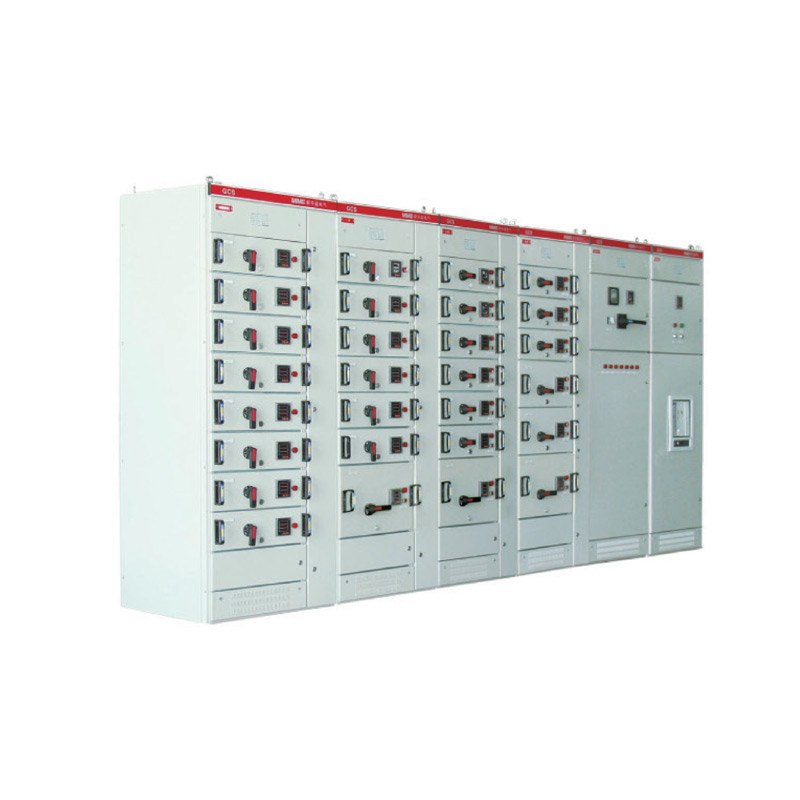
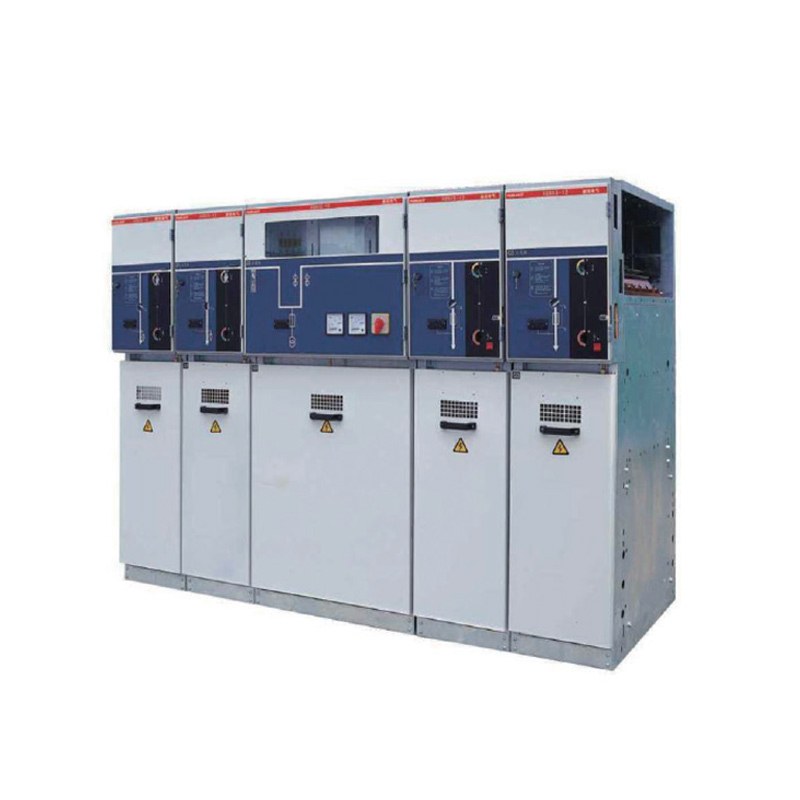
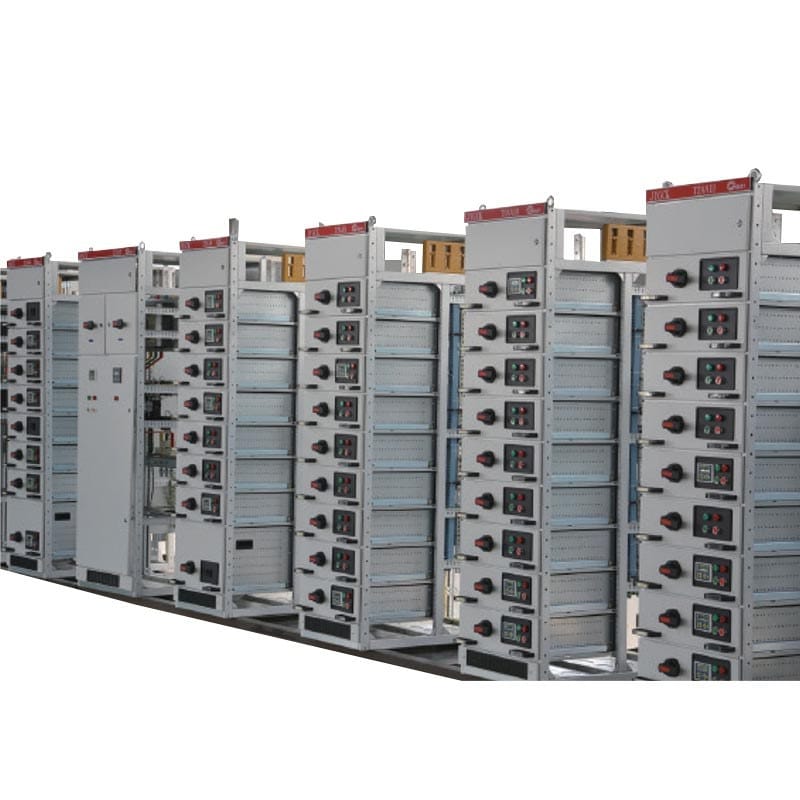
Dongfang Electric Power (Shandong) Co., Ltd. supplies medium-voltage equipment such as KYN28-12 switchgear and XGN/HXGN ring main units for power distribution projects. KYN28-12 switchgear is commonly used where the project requires a structured switchgear lineup, metering, protection, incoming and outgoing feeders, and convenient inspection. XGN/HXGN ring main units are often selected for compact distribution nodes, cable branch points, and networked distribution systems.
The right configuration depends on the incoming power method, transformer arrangement, cable routes, operation mode, and protection requirements. In many projects, switchgear is not selected as a single cabinet. It is selected as a coordinated system that includes incoming panels, outgoing feeder panels, metering panels, transformer protection, busbar arrangement, and auxiliary control functions.
Why coordination matters
A reliable medium-voltage system should match electrical parameters with mechanical structure and operational requirements. Voltage level, rated current, short-circuit withstand capacity, protection relay functions, cable direction, room size, and maintenance clearance all affect the final cabinet design. If these factors are reviewed late, the project may face rework in cable trench design, civil construction, equipment access, or protection settings.
- Confirm voltage level, rated current, and short-circuit capacity before final layout approval.
- Review incoming and outgoing feeder quantity according to the current phase and possible future expansion.
- Coordinate protection functions with transformers, downstream switchgear, and cable branch equipment.
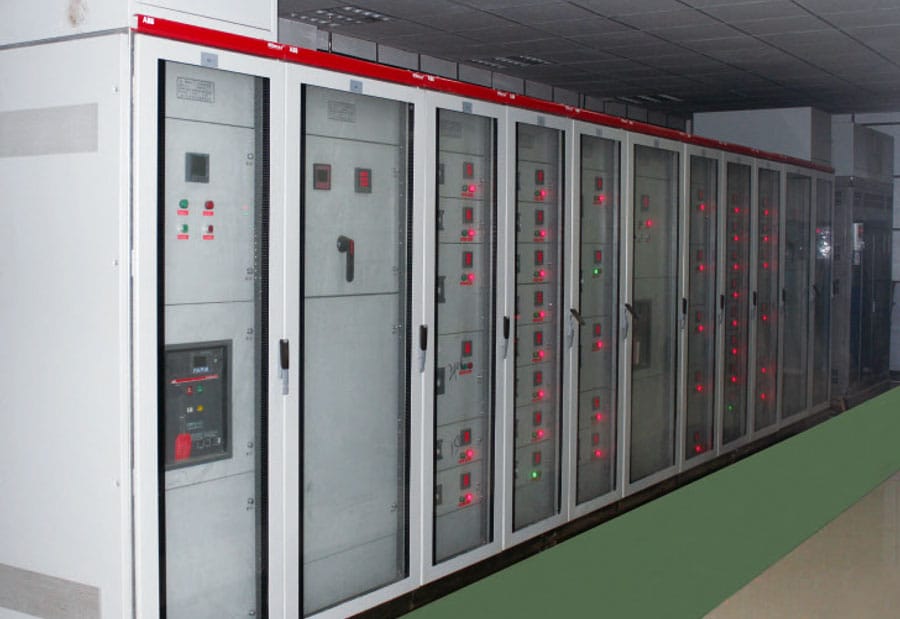
- Check installation space, cable entry direction, operating clearance, and maintenance access.
How buyers can prepare technical requirements
Before requesting a quotation, project teams can prepare a single-line diagram, load list, transformer information, room layout, cable direction, and any required standards or documentation. These details help manufacturers recommend a cabinet configuration that is easier to manufacture, test, ship, and install.
For export and project supply, documentation is also important. Drawings, nameplate information, wiring diagrams, test reports, packing details, and delivery coordination should be considered part of the equipment supply scope. A clear technical review at the beginning helps reduce communication gaps and supports smoother project execution.
Medium-voltage switchgear is a long-term part of the power system. Choosing a suitable configuration at the planning stage helps the project improve safety, maintainability, and operating reliability throughout the service life of the electrical room.