İçindekiler Tablosu
A ring main unit proposal needs a clear answer to one purchasing question: how will the project choose equipment from the intended switching and protection scheme? The answer should connect the ring main unit to its operating duty, installation interfaces and acceptance records. Selecting a familiar series or comparing a headline price leaves these details unresolved.
This guide examines radial and ring network arrangements for a utility distribution extension. Use the review sequence to prepare the technical inquiry, compare offers and identify the information required before manufacturing release. The worked review below is a planning illustration, not a report of a completed Dongfang customer project.
1. Define the radial and ring network arrangements decision
For the ring main unit, the immediate objective is to choose equipment from the intended switching and protection scheme. Write that objective into the inquiry and identify the person who owns the engineering decision. Purchasing needs an approved technical basis before it can judge whether different offers describe the same scope.
In a utility distribution extension, begin with the utility comments and the approved connection diagram. The network operator needs a defined ownership boundary and an approved switching arrangement. Show the new connection in the network diagram, including normal open points where applicable. Keep metering, protection and operating access under the responsible operator’s review.
A useful review connects three records: the system requirement, the offered ring main unit configuration and the evidence needed for acceptance. Mark an unknown value as unresolved and assign an action. A plausible number copied from a different model is less useful than a clearly identified question.
2. Check the XGN-12 RMU configuration boundary
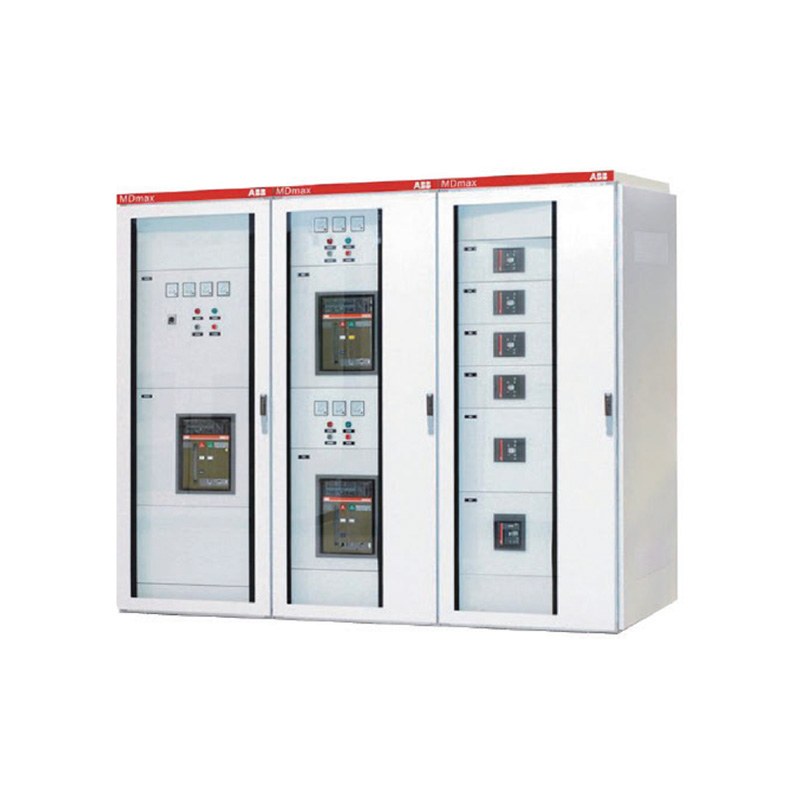
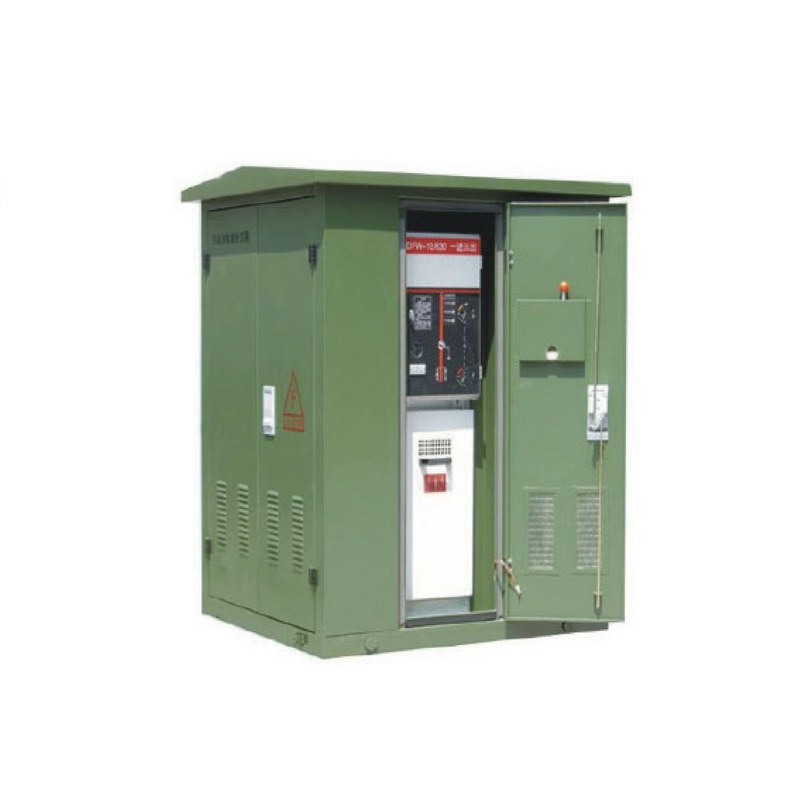
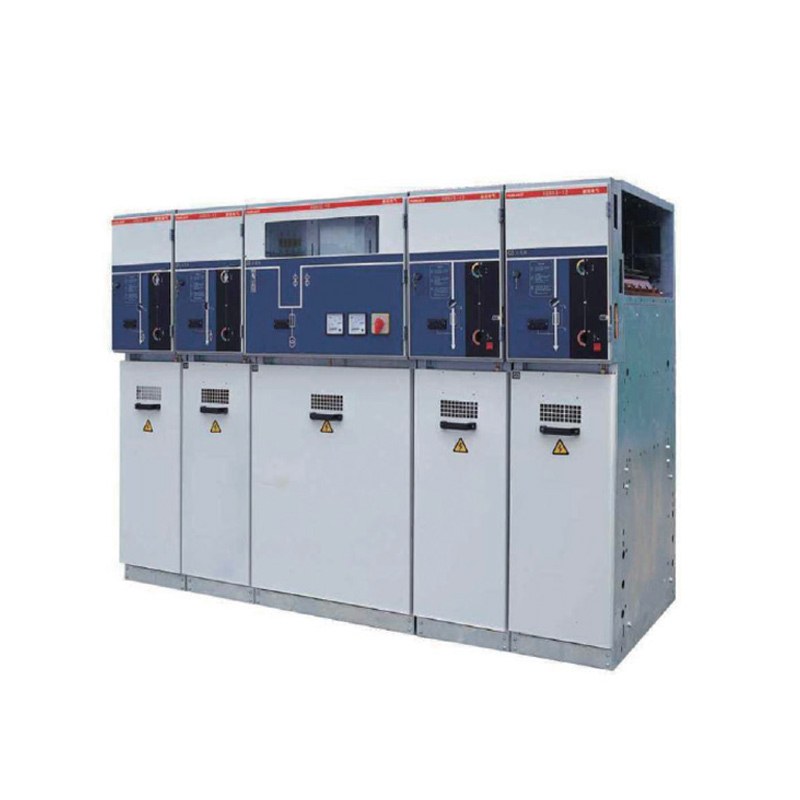
The XGN-12 product is the website’s listed RMU family. Establish the function of each way, voltage duty and protection arrangement before discussing the enclosure. Do not derive an insulation medium, additional voltage class or environmental claim from the model name.
Request a way schedule, approved network diagram and construction-specific evidence. Confirm the cable-accessory interface and the operating restrictions for the offered switching and earthing arrangement.
An RMU configuration should follow the network diagram and the function required for every way. Cable switching, transformer protection, isolation and earthing need distinct descriptions. The XGN-12 catalogue entry is a starting point for discussion rather than proof that every insulation medium, voltage class or optional function is available.
Review the XGN-12 Halka Ana Ünitesi product entry alongside the Ring Main Unit (RMU) category. Confirm the final offered configuration in controlled drawings and a technical schedule. Do not infer gas, solid insulation or a 24 kV offering solely from the keyword workbook. Treat unsupported alternatives as comparison or requirement topics and request confirmation for any proposed supply.
3. Radial and Ring Network Arrangements
For the ring main unit review, the ring main unit design team should choose equipment from the intended switching and protection scheme. A network diagram should show the normal open points, source paths and equipment functions. Radial and ring arrangements create different operating opportunities and protection questions. The physical presence of two cable ways does not establish how a network is intended to operate.
Ask the designer to define normal and abnormal arrangements, fault isolation and restoration boundaries. Distinguish cable branching from load switching and fault interruption. Where a connection can be supplied from another direction, evaluate the resulting duty and operating procedures. Keep the approved single-line diagram available to the ring main unit supplier and the operating team. Future network changes should trigger a review of the ratings, protection and labels. Selecting a product name before defining these functions can leave the project with equipment that connects the cables but cannot perform the required operation. Keep this point linked to the ring main unit configuration and its approved interface documents.
4. Interlocks and Operating States
For the ring main unit review, the ring main unit design team should document allowed states and prohibited combinations. An interlock specification should describe operating states, not merely request interlocks in general. Identify which operations must be prevented, which indications are required and how the arrangement behaves if auxiliary power is lost. Mechanical and electrical interlocks serve different purposes and should be shown in the design documents.
Ask for a state table and a functional description that the project team can review before manufacture. For removable equipment, distinguish service, test and isolated positions according to the actual design. For source transfer, define the permitted source combinations. Acceptance checks should follow the approved method and should never rely on defeating protective functions. Record the results against the final configuration. A substitute device or modified control circuit can change the interlocking behavior, so the change must receive engineering review before release. Keep this point linked to the ring main unit configuration and its approved interface documents.
5. Fault Indication and Alarm Handling
For the ring main unit review, the ring main unit design team should define what an indication means and what action it supports. A fault indicator or alarm can help locate a problem, but its usefulness depends on the detection principle, setting, location and operating procedure. Identify the event that must be detected and the person or system that will use the information. Distinguish fault indication from protective interruption and from proof that equipment is safe to touch.
Specify local indication, remote reporting, power supply and reset behavior where required. Ask how the device responds to different network arrangements and whether additional data are needed for selection. Include the point in the monitoring schedule and acceptance plan. The operating documentation should explain the meaning and limitations of the indication. This prevents an alarm accessory from being treated as a substitute for protection, isolation or qualified testing during maintenance. Keep this point linked to the ring main unit configuration and its approved interface documents.
6. Transformer and Downstream Equipment Interfaces
For the ring main unit review, the ring main unit design team should coordinate the connection across voltage transformation. A transformer interface involves more than matching nominal voltage. Record the transformer rating, impedance information needed by the study, connection arrangement, earthing and expected loading. Identify the incoming equipment, outgoing circuits and metering or protection responsibilities on both sides.
Review cable or bus connections, terminal geometry and the effects of source changes on downstream fault duty. If several transformers can operate in parallel, the designer should assess the intended arrangements explicitly. Keep reactive power equipment and standby sources within the same system review where they are present. The equipment supplier needs the approved interface information to propose a suitable configuration. A transformer mentioned in a project solution should not be treated as a confirmed standalone catalogue product without a matching supply scope and technical offer. Keep this point linked to the ring main unit configuration and its approved interface documents.
7. Drawing Revision Control
For the ring main unit review, the design team should keep manufacture aligned with the latest approved design. Drawing approval should have a defined purpose and a controlled revision trail. State which drawings require review and which interfaces the project team must confirm. Keep the single-line diagram, general arrangement, terminal schedule and bill of materials consistent. Approval of one drawing should not be assumed to approve an unstated change elsewhere.
Create a change register that identifies the reason, technical effect, commercial effect and release decision. When the selected cable, protective device or control scheme changes, review the affected interfaces together. The supplier should know which revision authorizes manufacture. After completion, reconcile the final drawings with the supplied equipment and record any site changes. A folder containing several versions is not a controlled handover unless the operating team can identify the current approved documents. Keep this point linked to the ring main unit configuration and its approved interface documents.
8. Standby Source Coordination
For the ring main unit review, the design team should coordinate transfer behavior with the loads and sources. A standby supply design begins with the loads that need continuity and the interruption they can tolerate. Identify the normal and alternate sources, the transfer method and the required restoration behavior. Switching equipment does not create backup energy, and a transfer arrangement alone does not guarantee uninterrupted power.
Review generator starting, load pickup, source capacity and neutral or earthing requirements with the responsible designer. State whether automatic retransfer is required and how maintenance isolation will be provided. Keep the cause-and-effect description tied to the selected controller and switching devices. The acceptance plan should simulate the agreed failure and restoration conditions without exposing personnel to unsafe operations. Provide the operating team with the final sequence, the alarm meanings and the conditions that require manual intervention. Keep this point linked to the ring main unit configuration and its approved interface documents.
9. Compare the proposal with the required evidence
Build the comparison around radial and ring network arrangements, then check the related interfaces. For ring main unit, the relevant boundaries include network cable ways; transformer feeder and protection; approved connector interfaces; earthing and operating interlocks; local or remote indication. Put the requirement and supplier response in adjacent columns so that differences are visible before purchase.
Pay particular attention to a ring-network diagram that leaves the normal open point and fault-isolation sequence undefined. Require the approved network diagram, way-by-way function schedule, declared ratings, operating-state table and applicable verification. If a supplier proposes an alternative, ask which drawings, ratings, accessories and acceptance steps change. The commercial saving should be evaluated with those effects included.
| Review item | Incomplete basis | Useful approval evidence |
|---|---|---|
| Radial and Ring Network Arrangements | A product-family name or an unchecked assumption | A documented basis to choose equipment from the intended switching and protection scheme |
| Operating duty | A headline current or voltage without context | A duty schedule covering the approved operating cases |
| Interfaces | Symbols without cable, control or civil details | network cable ways; transformer feeder and protection; approved connector interfaces; earthing and operating interlocks; local or remote indication |
| Verification | Unrelated certificates or a similar product demonstration | the approved network diagram, way-by-way function schedule, declared ratings, operating-state table and applicable verification |
| Change control | An email substitution with no impact review | An approved revision and identified consequences |
10. Work through a project review before release
Consider a utility distribution extension purchasing ring main unit. The buyer receives two offers that appear to cover the same requirement. Offer A identifies the proposed ring main unit configuration and supplies the supporting interface schedule. Offer B lists a broad series name and leaves the assumptions open. These are illustrative offers, with no invented prices or performance results.
The first review action is to establish the utility comments and the approved connection diagram. The second is to ask both bidders how they will choose equipment from the intended switching and protection scheme. Use the same technical questions for both offers. Any difference in interlocks and operating states or fault indication and alarm handling should be referred to the responsible designer rather than resolved by choosing the lower commercial total.
Before approving the ring main unit order, close the unresolved interface questions and record the selected configuration. Identify what remains dependent on site work and who will verify it. If the requirement changes, reopen the affected assessment. This creates a practical release decision that the receiving and commissioning teams can understand.
11. Prepare the inquiry and acceptance package
Send the system diagram, load or feeder information, installation conditions and the specific radial and ring network arrangements requirement with the inquiry. For ring main unit, also include the relevant cable or control interfaces and the documents required at handover. State quantities and delivery destination separately from the technical duty.
Dongfang’s Ring Main Unit (RMU) solution support can be used as a starting point for discussing the configuration. Ask for a written response that identifies the proposed supply, deviations, evidence and project responsibilities. Final equipment selection should follow the responsible project designer’s assessment.
For the applicable product-standard context, consult the IEC metal-enclosed switchgear scope and specify the required part and edition with the project team. The reference explains the relevant standard family; it does not certify a particular Dongfang configuration.
12. Request a configuration review
To discuss radial and ring network arrangements for your ring main unit, send Dongfang Electric Power your project requirements. Include the utility comments and the approved connection diagram, the ring main unit schedule and the unresolved interface questions. Request a configuration-specific technical offer and an evidence list for review before purchase.
Frequently asked questions
What information is needed to review radial and ring network arrangements for the ring main unit?
Provide the utility comments and the approved connection diagram, the approved system diagram and the relevant operating conditions. The review should establish how to choose equipment from the intended switching and protection scheme, then confirm the offered configuration and the acceptance evidence.
Does the XGN-12 RMU product name establish every required rating?
No. Request a way schedule, approved network diagram and construction-specific evidence. Confirm the cable-accessory interface and the operating restrictions for the offered switching and earthing arrangement. The supplied ring main unit needs a controlled technical schedule tied to the actual configuration. A catalogue range or keyword does not confirm every optional function.
Which interfaces need checking before ordering the ring main unit?
Review network cable ways; transformer feeder and protection; approved connector interfaces; earthing and operating interlocks; local or remote indication. Assign responsibility for each boundary and keep the supplier response aligned with the approved drawings. Unresolved interfaces should remain visible in the review register.
How should alternative ring main unit offers be compared?
Use the same requirement schedule and ask each bidder for deviations, scope boundaries and evidence. For this decision, compare radial and ring network arrangements with interlocks and operating states and fault indication and alarm handling so that a price difference does not hide a configuration difference.
What records should accompany the ring main unit handover?
Retain the approved network diagram, way-by-way function schedule, declared ratings, operating-state table and applicable verification, the final drawings, asset identifiers and applicable operating information. Keep factory verification distinct from site acceptance and close open technical items through documented review.