Tabla de contenidos
Introducción
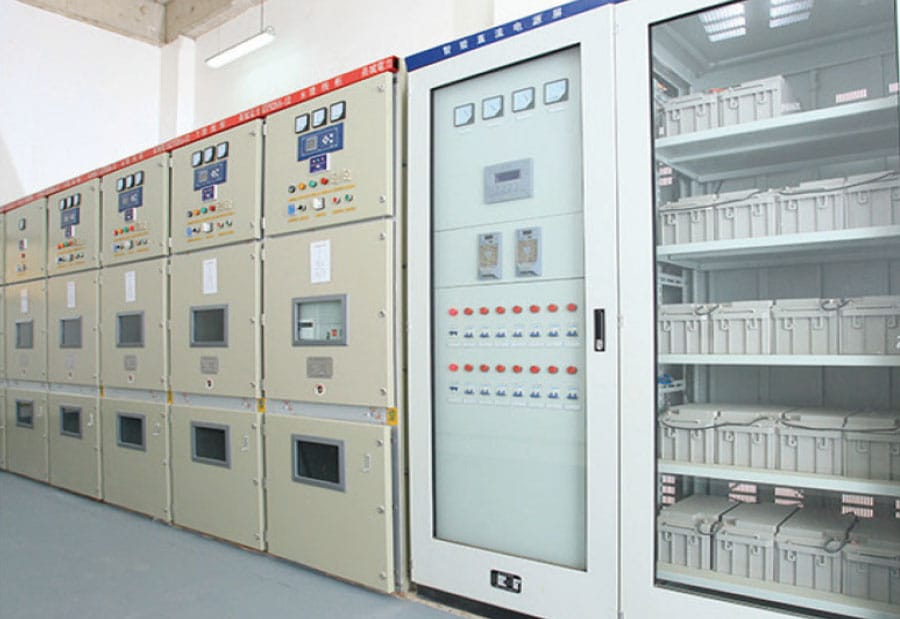
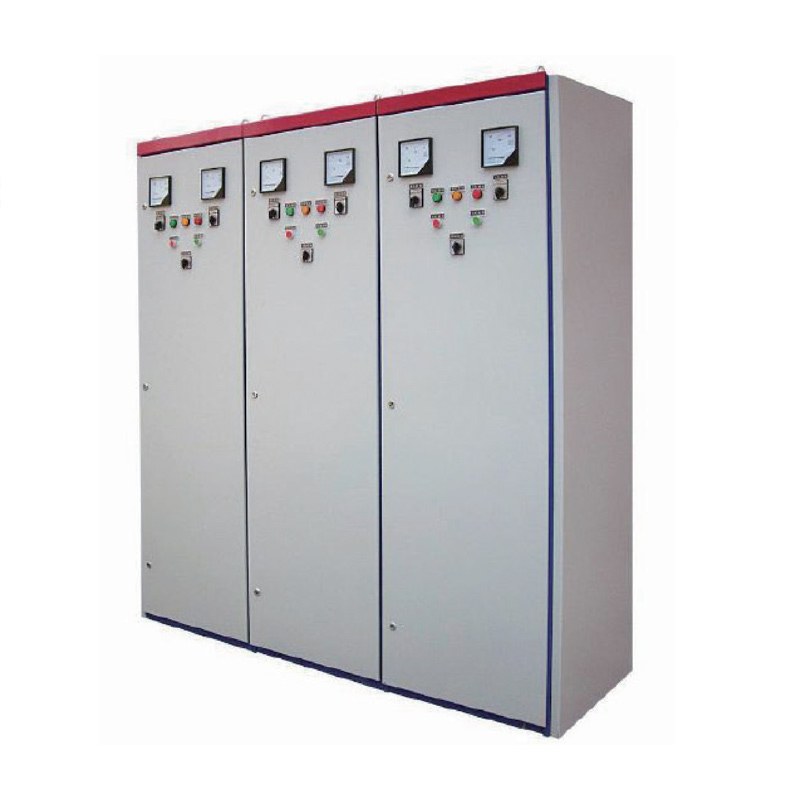
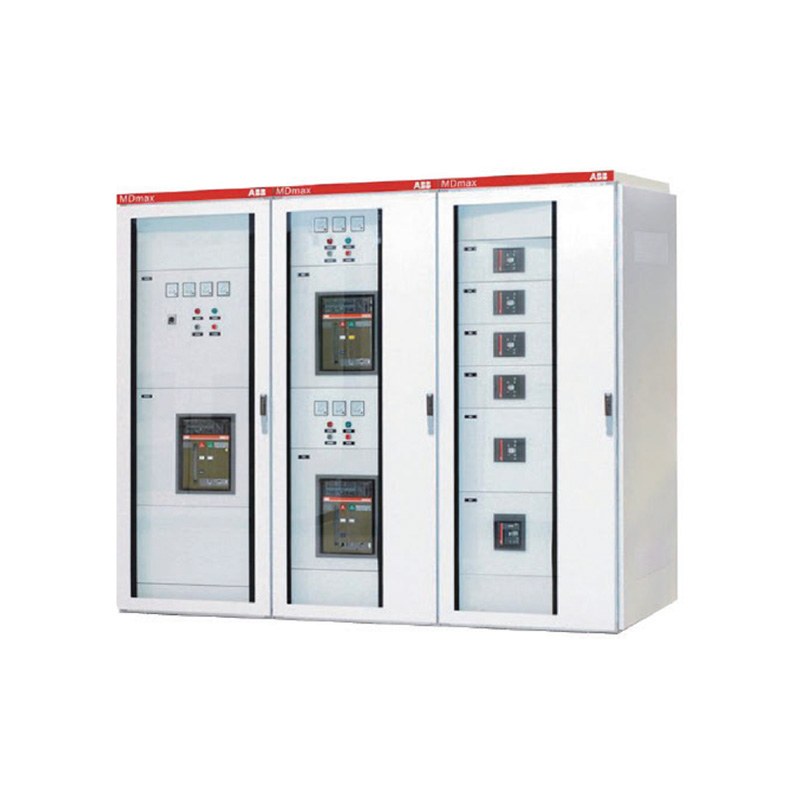
Un sistema eléctrico confiable debe distribuir electricidad de manera segura, proteger los equipos conectados y permitir que los circuitos individuales sean controlados o aislados. Un Gabinete de Distribución de Energía reúne estas funciones dentro de un recinto organizado.
El gabinete recibe energía eléctrica de una fuente aguas arriba y la divide entre múltiples circuitos salientes. Estos circuitos pueden suministrar maquinaria, motores, sistemas de iluminación, bombas, equipos de ventilación, dispositivos de control, sistemas auxiliares o paneles de distribución aguas abajo.
Cada circuito saliente normalmente tiene un dispositivo de protección independiente. Cuando ocurre una sobrecarga, cortocircuito, falla a tierra u otra condición anormal, el circuito afectado se puede desconectar antes de que una corriente excesiva dañe los conductores o el equipo.
Sin embargo, un gabinete de distribución de energía es más que un gabinete grande lleno de disyuntores. Su confiabilidad también depende de la capacidad de la barra colectora, el tamaño del conductor, la continuidad de la conexión a tierra, la coordinación del dispositivo de protección, la temperatura interna, el enrutamiento de cables, la construcción del gabinete, el etiquetado y la accesibilidad al mantenimiento.
Este artículo explica cómo funciona un gabinete de distribución de energía, qué componentes contiene, cómo se mueve la electricidad a través del sistema y qué deben considerar los usuarios al seleccionar y mantener uno.
¿qué es un gabinete de distribución de energía?
Un gabinete de distribución de energía es un conjunto eléctrico que recibe energía entrante y la distribuye a múltiples circuitos o cargas posteriores. Combina distribución de energía, protección de circuitos, conmutación, aislamiento, monitoreo y, a veces, control automático dentro de un gabinete.
El término relacionado cuadro eléctrico generalmente describe equipos que dividen un suministro eléctrico entrante en varios circuitos más pequeños mientras admiten conmutación, protección y medición.
Un gabinete de distribución de energía generalmente opera en un nivel más alto o más central de un sistema de distribución eléctrica que una caja de distribución de rama pequeña. Puede suministrar máquinas individuales, grandes grupos de equipos, sistemas de producción, servicios de construcción o paneles de distribución adicionales.
Un punto central de distribución de energía
El gabinete crea una conexión estructurada entre la fuente de energía entrante y el equipo que utiliza electricidad.
En lugar de conectar cada carga directamente al suministro ascendente, el gabinete divide la electricidad en alimentadores separados. Cada alimentador tiene su propia ruta conductora, dispositivo de protección, propósito operativo y etiqueta de identificación.
Esta estructura hace que el sistema sea más fácil de inspeccionar, mantener, ampliar y solucionar problemas.
Distribución, Protección y Control
Un Gabinete de Distribución de Energía normalmente realiza tres funciones principales:
- Distribuye la electricidad entrante a los circuitos salientes.
- Protege conductores y equipos contra corrientes anormales.
- Permite aislar circuitos individuales o el sistema completo.
Los gabinetes avanzados también pueden monitorear voltaje, corriente, consumo de energía, factor de potencia, frecuencia, temperatura, estado del disyuntor y otras condiciones operativas.
¿cuáles son los componentes principales de un gabinete de distribución de energía?
La configuración exacta del gabinete depende del voltaje, la capacidad de corriente, la cantidad del circuito, el tipo de carga, el entorno de instalación y los requisitos de control. La mayoría de los sistemas contienen varios componentes comunes.
Disyuntor entrante principal
The main incoming circuit breaker controls the electrical connection between the upstream supply and the internal distribution system.
When the breaker is closed, electricity can reach the cabinet busbars. When it opens because of a fault or manual operation, the downstream distribution section is disconnected.
The incoming side may remain energized even when the main breaker is open. Safe maintenance therefore requires proper isolation, testing, and verification procedures.
Interruptor principal de aislamiento
Some cabinets include a separate isolation switch in addition to the main circuit breaker.
The isolator creates a defined disconnection point for maintenance. It is designed primarily for isolation rather than automatic protection.
Barras colectoras
Busbars are conductive metal bars that carry electricity through the cabinet. They transfer power from the main incoming device to multiple outgoing circuit breakers.
Busbar design must consider:
- Continuous current capacity
- Short-circuit withstand capability
- Conductive material
- Cross-sectional dimensions
- Phase spacing
- Insulation
- Mechanical support
- Internal temperature
- Connection quality
A busbar that is too small or poorly connected may develop excessive heat, voltage drop, insulation damage, or mechanical instability during a fault.
Disyuntores salientes
Outgoing circuit breakers connect the busbars to individual feeder circuits.
Each breaker normally supplies a specific load or group of loads. One feeder may supply machinery, while another supplies lighting, pumps, control equipment, ventilation systems, or a downstream distribution panel.
The breaker rating must be coordinated with the connected conductor and load. A breaker selected only according to equipment demand may fail to protect the cable correctly.
Barra colectora neutra
The neutral busbar provides a common termination point for neutral conductors.
Loads that require a neutral connection return operating current through the neutral conductor. The neutral busbar must therefore have sufficient capacity and secure terminals.
A loose neutral connection can cause overheating, voltage instability, abnormal equipment operation, and conductor damage.
Barra colectora de puesta a tierra
The grounding busbar connects protective conductors, cabinet metalwork, doors, mounting plates, and downstream grounding connections.
It does not normally carry continuous operating current. During an insulation failure, it provides a low-impedance path for fault current.
This fault path helps the protective device disconnect the affected circuit quickly.
Transformadores y Medidores de Corriente
Current transformers allow measuring instruments and protection devices to monitor current without carrying the full load through the meter.
The cabinet may include instruments for measuring:
- Voltage
- Current
- Active power
- Reactive power
- Frequency
- Energy consumption
- Power factor
- Phase balance
Monitoring data helps operators identify overloads, unusual demand, phase imbalance, and changing operating conditions.
Relés protectores
Protective relays detect abnormal electrical conditions and send a trip or alarm signal.
Depending on the cabinet design, relays may monitor overcurrent, voltage variation, phase loss, phase imbalance, ground faults, temperature, or other operating conditions.
Contactores y Relés de Control
Contactors switch electrical loads in response to control signals. They may support remote operation, automatic sequencing, equipment interlocking, or scheduled control.
Control relays process lower-power signals and coordinate operating logic between devices.
Dispositivos de protección contra sobretensiones
Surge protective devices help limit temporary voltage increases that could damage sensitive equipment.
Their performance depends on correct selection, installation position, conductor length, and grounding quality.
Caja y estructura de montaje
The enclosure supports internal equipment and reduces exposure to live components, dust, moisture, debris, and mechanical damage.
Mounting plates, rails, barriers, compartments, and cable channels organize the internal layout. A strong enclosure does not guarantee a reliable cabinet if the internal arrangement is crowded or difficult to maintain.
¿cómo funciona paso a paso un gabinete de distribución de energía?
The operating principle becomes easier to understand by following the electrical path from the incoming supply to the connected load.
Paso 1: La energía entrante ingresa al gabinete
Electrical power enters through incoming cables or a busway connection. The conductors normally include phase conductors and may also include a neutral and protective grounding conductor.
Incoming cables should have sufficient bending space and mechanical support. Their weight should not place excessive force on breaker or busbar terminals.
Paso 2: La electricidad llega al dispositivo principal
The incoming conductors connect to the main circuit breaker, switch, or isolation device.
When the main device is closed and no fault is present, electricity passes into the internal distribution section.
Paso 3: Las barras colectoras principales se energizan
Electricity flows from the incoming device to the main busbars.
In a three-phase cabinet, separate busbars carry the three phases. A neutral busbar and grounding busbar are arranged separately according to the electrical system design.
Paso 4: La energía se divide entre los alimentadores salientes
Each outgoing circuit breaker connects one feeder to the busbar system.
When an outgoing breaker is closed, electricity flows through it and into the connected conductor. That feeder then supplies its assigned equipment or downstream system.
Paso 5: La carga conectada utiliza la electricidad
The load converts electrical energy into movement, heat, light, ventilation, pumping action, control signals, or another useful output.
The feeder conductor must be suitable for the expected current, startup conditions, operating cycle, route length, installation method, and environmental temperature.
Paso 6: La corriente regresa a través del neutro cuando es necesario
Single-phase and other neutral-dependent loads return current through the neutral conductor and neutral busbar.
Three-phase loads may operate without a neutral, depending on their electrical configuration.
Paso 7: La conexión a tierra permanece disponible por corriente de falla
Protective grounding conductors connect exposed conductive parts to the grounding busbar.
During normal operation, these conductors should carry little or no current. If an energized conductor contacts a metal enclosure or equipment frame, the grounding path carries fault current and helps the protective device trip.
Paso 8: Los dispositivos de monitoreo observan las condiciones de funcionamiento
Meters and relays monitor electrical values while the cabinet is operating.
When a monitored value exceeds a configured limit, the system may produce an alarm, open a breaker, stop equipment, or initiate another control action.
¿cómo protege un gabinete de distribución de energía los sistemas eléctricos?
Protection devices inside the cabinet respond to different abnormal conditions. One protective function cannot always replace another.
Protección contra sobrecarga
An overload occurs when a circuit carries more current than it can safely handle for an extended period.
Common causes include:
- Too many connected loads
- Equipment operating beyond its intended duty
- Motor mechanical problems
- Unexpected simultaneous operation
- Expansion beyond the original design
- Incorrect conductor selection
The protective device disconnects the circuit before sustained heat damages the conductors or connected equipment.
Protección contra cortocircuitos
A short circuit creates an unintended low-resistance connection between conductors at different electrical potentials.
This fault can produce a rapid increase in current. The breaker must interrupt the fault before excessive heat, pressure, or electromagnetic force causes serious damage.
The interruption capacity of the protective device must be suitable for the available short-circuit current.
Protección contra fallas a tierra
A ground fault occurs when an energized conductor contacts grounded metal or another unintended path to ground.
The grounding system and protective device must operate together. A weak or damaged grounding path may delay disconnection.
Protección contra corriente de fuga
Leakage current occurs when electricity leaves its intended path through damaged insulation, moisture, contamination, exposed metal, or another unintended route.
Leakage-sensitive devices compare the current leaving and returning through the normal circuit. A difference indicates that current may be flowing through an unintended path.
Protección contra voltaje
Over-voltage and under-voltage conditions can affect motors, contactors, control systems, and electronic equipment.
Voltage-monitoring devices can produce an alarm or disconnect selected circuits when operating limits are exceeded.
Fallo de fase y protección contra desequilibrio de fase
Three-phase equipment may be damaged or operate incorrectly if one phase is lost or if the phases become seriously unbalanced.
Phase-monitoring relays can prevent equipment from continuing to run under unsuitable conditions.
Aislamiento de circuitos selectivos
A properly coordinated protection system should disconnect the smallest practical section affected by a fault.
For example, a fault in one outgoing feeder should ideally trip the feeder breaker rather than the main incoming breaker. This limits disruption to unrelated equipment.
Componentes y funciones del gabinete de distribución de energía
| Component | Primary function | Normal operating role | Common reliability concern |
|---|---|---|---|
| Main circuit breaker | Controls and protects incoming power | Carries the total cabinet load | Insufficient interruption capacity |
| Main isolator | Provides a disconnection point | Supports maintenance isolation | Incoming terminals may remain energized |
| Main busbar | Distributes power internally | Supplies outgoing breakers | Excessive temperature or weak support |
| Outgoing breaker | Protects an individual feeder | Carries branch-circuit current | Incorrect coordination with conductor |
| Neutral busbar | Connects neutral conductors | Carries return current | Loose connections or insufficient capacity |
| Grounding busbar | Connects protective conductors | Carries current during faults | Poor continuity or corrosion |
| Current transformer | Supports current measurement | Supplies meters and relays | Incorrect ratio or installation direction |
| Metering device | Displays electrical conditions | Measures system performance | Inaccurate or incomplete monitoring |
| Protective relay | Detects abnormal conditions | Sends alarms or trip signals | Incorrect settings |
| Contactor | Switches loads through control signals | Supports automatic control | Contact wear or coil failure |
| Surge protective device | Limits temporary overvoltage | Diverts surge energy | Poor grounding connection |
| Ventilation system | Manages internal temperature | Removes accumulated heat | Blocked filters or fan failure |
| Cabinet enclosure | Protects and supports equipment | Maintains physical separation | Inadequate sealing or access |
These components must be treated as one coordinated system. A correctly rated circuit breaker cannot compensate for a loose busbar connection, undersized conductor, weak grounding path, incorrect relay setting, or inadequate ventilation.
Gabinetes de Distribución de Energía Monofásicos y Trifásicos
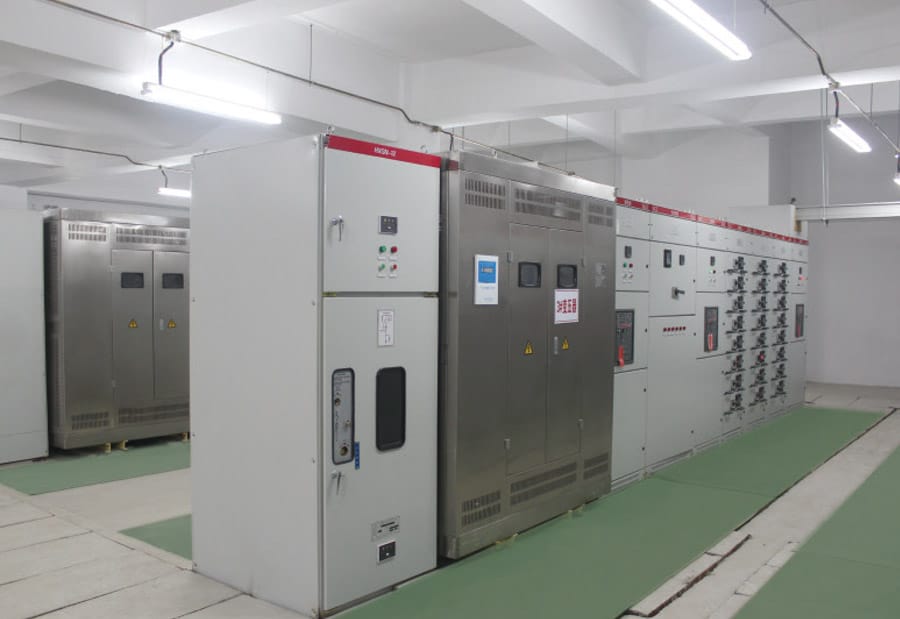
The operating principle is similar in both configurations, but the internal arrangement and load-planning requirements differ.
Distribución monofásica
A single-phase Power Distribution Cabinet may supply lighting, sockets, control systems, heating equipment, and other moderate loads.
The phase conductor supplies the outgoing breakers, while neutral conductors return through the neutral busbar.
Selection should consider total demand, circuit quantity, conductor capacity, protection requirements, and future expansion.
Distribución Trifásica
A three-phase cabinet contains separate electrical paths for three phases.
It may supply three-phase motors and machinery directly or distribute single-phase circuits across the available phases.
Three-phase systems are commonly used where larger loads, production equipment, pumps, ventilation systems, or many downstream feeders must be supplied.
Por qué es importante el equilibrio de carga
Single-phase loads connected to a three-phase system should be distributed across the phases as evenly as practical.
Poor load balance may cause:
- One phase to carry excessive current
- Uneven busbar heating
- Increased neutral current
- Voltage variation
- Unnecessary breaker operation
- Reduced usable capacity
The original circuit schedule may not reflect actual operating conditions. Equipment usage changes over time, so current measurements should be taken under representative loads.
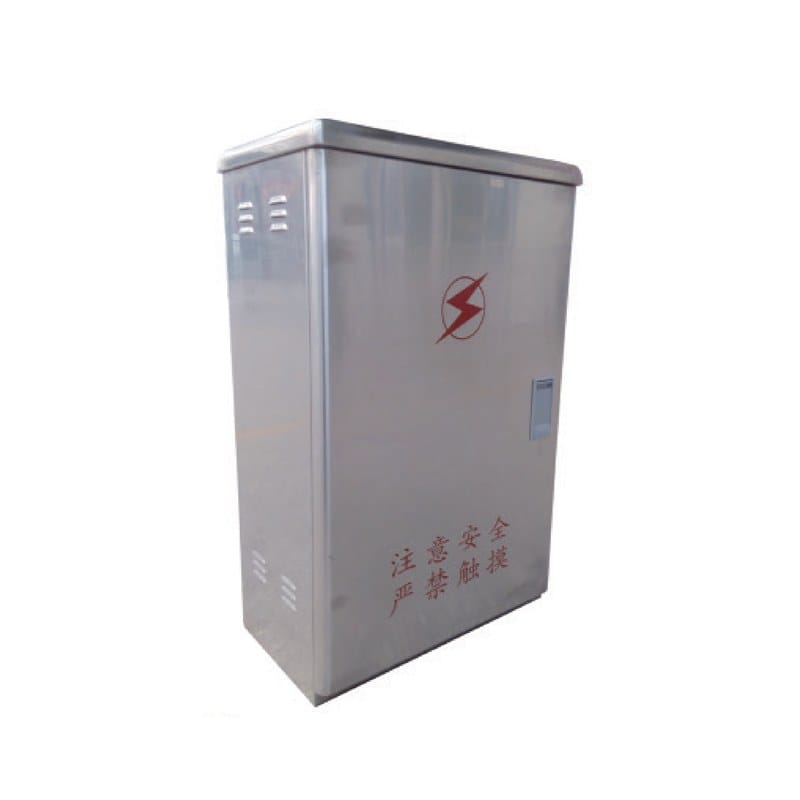
Gabinete de distribución de energía versus caja de distribución
A cabinet and a distribution box perform similar basic functions, but they are generally used at different levels of an electrical system.
Capacidad y tamaño físico
A Power Distribution Cabinet usually provides more space for larger breakers, busbars, cable terminations, meters, relays, and control devices.
A distribution box is generally smaller and commonly supplies a limited group of branch circuits.
Posición en el Sistema Eléctrico
A cabinet may operate as a main or sub-main distribution point. It can supply major equipment, operating areas, building services, or downstream panels.
A smaller distribution box is often located closer to final electrical loads.
Complejidad funcional
A cabinet may combine power distribution, protection, metering, control, automatic switching, communication, and monitoring.
A distribution box normally focuses on dividing and protecting branch circuits.
Mantenimiento y Ampliación
Cabinets usually offer more space for cable routing, component access, phase separation, and future feeders.
Compact distribution boxes may be easier to install but can provide less room for expansion.
¿cómo afecta el diseño de gabinetes al rendimiento del gabinete?
The enclosure is an active part of the electrical system because it affects environmental protection, temperature, maintenance access, and mechanical safety.
Protección contra el polvo y la humedad
The enclosure must match the installation environment.
Dust, humidity, condensation, water exposure, cleaning processes, and corrosive substances can affect internal components.
Door seals, cable glands, ventilation openings, fasteners, and unused cable entries all influence environmental protection.
Disipación de calor
Circuit breakers, busbars, terminals, transformers, contactors, capacitors, and control devices generate heat during operation.
Internal temperature can rise even when each individual component operates within its rated current.
High temperature can affect:
- Breaker operating characteristics
- Insulation service life
- Terminal reliability
- Electronic devices
- Cable capacity
- Door seals
A cabinet with more internal space may provide better airflow, cable routing, and temperature distribution than a tightly packed enclosure.
Gestión de entrada de cables
Incoming and outgoing conductors should enter the cabinet without sharp bends or excessive mechanical strain.
Poor cable routing can block ventilation, hide terminals, interfere with equipment, and make inspection difficult.
Separación interna
Barriers and compartments can separate incoming cables, busbars, outgoing feeders, and control wiring.
Separation reduces accidental contact risks and helps prevent one fault from affecting nearby sections.
Accesibilidad al mantenimiento
Technicians need enough space to identify conductors, inspect terminals, test circuits, and replace components.
Accessibility should support qualified maintenance while preventing unauthorized access to energized equipment.
Problemas comunes del gabinete de distribución de energía
Many cabinet faults develop gradually and may remain unnoticed until equipment operation is affected.
Disparo repetido del disyuntor
Frequent breaker operation may indicate:
- Overload
- Short circuit
- Ground fault
- Equipment failure
- Incorrect breaker selection
- Damaged conductor
- High internal temperature
- Poor protection coordination
Installing a larger breaker without checking the conductor and connected load may remove essential protection.
Conexiones sueltas
Loose terminals increase resistance and produce localized heat.
Possible warning signs include discoloration, unusual odor, intermittent equipment operation, damaged insulation, or abnormal temperature.
Juntas de barras sobrecalentadas
Busbar joints can overheat because of loose hardware, contaminated contact surfaces, incorrect tightening, or mechanical movement.
The increased heat may further damage the connection and accelerate failure.
Desequilibrio de fase
A three-phase cabinet may become unbalanced when single-phase loads are distributed unevenly.
Actual phase currents should be measured because operating patterns may differ from the original design.
Humedad o Condensación
Moisture can lead to corrosion, insulation deterioration, electrical tracking, and control-device failure.
Possible causes include damaged seals, open cable entries, unsuitable ventilation, or temperature changes inside the enclosure.
Ventilación bloqueada
Dust and debris can block ventilation filters and reduce airflow.
A failed cooling fan may also allow temperature to rise without producing an immediate visible warning.
Etiquetas obsoletas
Incorrect circuit labels can cause the wrong feeder to be isolated during maintenance.
Labels, circuit schedules, and wiring diagrams should be updated whenever the electrical system changes.
Cómo elegir el gabinete de distribución de energía adecuado
Cabinet selection should begin with electrical and environmental requirements rather than enclosure appearance alone.
Confirme los parámetros eléctricos
Important system information includes:
- Operating voltage
- Frequency
- Phase configuration
- Incoming current
- Expected demand
- Available fault current
- Grounding arrangement
- Load characteristics
- Required protection functions
These factors influence the main breaker, busbar dimensions, insulation, conductor size, and internal configuration.
Defina los circuitos entrantes y salientes
Prepare a list of incoming sources and outgoing feeders.
For each feeder, identify:
- Connected equipment
- Expected operating current
- Corriente inicial
- Operating duty
- Cable size
- Protection requirement
- Control method
A clear feeder schedule reduces design errors and improves future maintenance.
Evaluar el entorno de instalación
Consider whether the cabinet will be exposed to dust, moisture, vibration, high temperature, corrosion, mechanical impact, or restricted access.
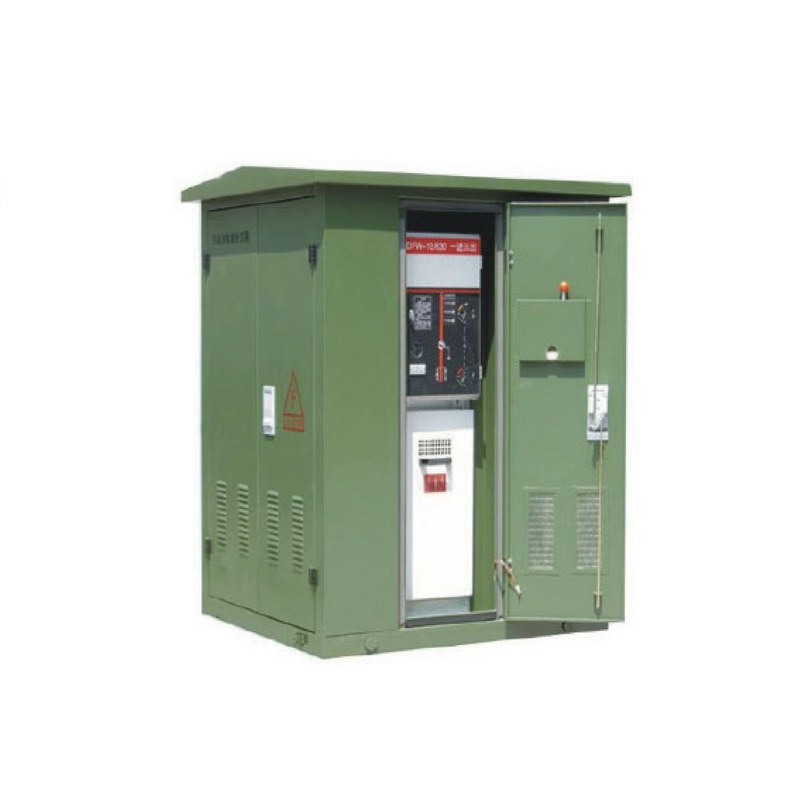
Different Gabinete de distribución de energía configurations can be arranged according to the required circuit layout, operating environment, protective functions, incoming supply, and installation conditions.
Determinar los requisitos de seguimiento
A basic cabinet may only require voltage and current indication. More advanced systems may need energy metering, phase monitoring, remote communication, temperature sensing, alarm outputs, or event records.
Monitoring equipment should provide useful operational information rather than adding unnecessary complexity.
Permitir espacio para la expansión
Future feeders and equipment changes should be considered during the initial design.
Expansion space may include:
- Spare breaker positions
- Busbar reserve
- Additional terminals
- Cable-entry capacity
- Internal wiring space
- Metering positions
- Communication devices
A cabinet filled to its physical limit can become difficult to modify safely.
Considere el acceso de mantenimiento
Breakers, terminals, busbars, grounding connections, relays, and cable compartments should remain accessible.
A compact arrangement may save space initially but increase maintenance time and operational risk later.
¿cómo se debe inspeccionar un gabinete de distribución de energía?
Inspection should identify changes from the original operating condition.
Inspección visual
Check the cabinet for:
- Damaged insulation
- Discolored terminals
- Loose hardware
- Corrosion
- Dust accumulation
- Moisture
- Broken seals
- Blocked ventilation
- Missing covers
- Open cable entries
- Unauthorized modifications
The enclosure should also be checked for damage that affects alignment, sealing, or access.
Inspección de conexión
Electrical connections can loosen because of vibration, thermal cycling, conductor movement, installation error, or material expansion.
Inspection and tightening should follow safe isolation procedures and equipment requirements.
Excessive tightening can also damage terminals, conductors, and connection surfaces.
Evaluación térmica
Abnormal temperature may indicate:
- Overloaded conductors
- Loose terminals
- Busbar joint problems
- Phase imbalance
- Damaged devices
- Inadequate ventilation
Temperature measurements are most meaningful when the cabinet is operating under a representative load.
Medición de carga
Actual current should be compared across outgoing feeders and phases.
Measurements may reveal overloads, phase imbalance, unexpected equipment demand, or operating changes that are not shown in the original circuit schedule.
Revisión de documentación
Circuit labels, wiring diagrams, feeder schedules, relay settings, and maintenance records should match the installed cabinet.
Accurate documentation reduces troubleshooting time and supports safer isolation.
Perspectivas de diseño prácticas para una mayor confiabilidad
The long-term performance of a Power Distribution Cabinet depends on several design principles.
Los dispositivos de protección deben estar coordinados
The main breaker and outgoing breakers should not be selected as unrelated components.
Their operating characteristics determine which section of the system disconnects during a fault. Good coordination helps keep unaffected loads operating.
El espacio de repuesto es una característica de confiabilidad
Unused internal space improves cable routing, heat dissipation, inspection access, and future expansion.
A crowded cabinet may meet immediate requirements but become difficult to maintain as equipment changes.
La separación clara del circuito reduce el tiempo de inactividad
Critical equipment, lighting, controls, machinery, and auxiliary systems should be separated according to operational requirements.
When unrelated loads share one feeder, a single fault may interrupt multiple functions.
Las etiquetas son parte del sistema eléctrico
Circuit labels are not merely administrative details.
Accurate identification helps operators understand which loads will be affected before a breaker is opened. Labels should be durable, specific, readable, and consistent with the latest documentation.
Los componentes pequeños pueden limitar todo el gabinete
Overall reliability is often determined by a small detail rather than the main breaker.
A loose terminal, unsuitable cable gland, damaged seal, undersized neutral, blocked filter, or weak grounding connection can reduce the reliability of the complete system.
Las condiciones reales de funcionamiento importan
Cabinet selection should consider actual operating schedules, starting currents, environmental temperature, vibration, contamination, maintenance practices, and likely future changes.
System voltage, feeder quantity, connected loads, protection requirements, control functions, and enclosure conditions form the basis of a complete technical specification review before the internal configuration is finalized.
Conclusión
A Power Distribution Cabinet works by receiving incoming electrical power, transferring it through a main switching device and busbar system, and dividing it among separately protected outgoing feeders.
Circuit breakers and protective relays respond to overloads, short circuits, ground faults, voltage problems, and other abnormal conditions. Neutral conductors provide a normal return path where required, while grounding conductors support safe fault-current removal.
Reliable operation depends on the entire assembly rather than one individual component. Busbar capacity, conductor sizing, protective-device coordination, grounding continuity, connection quality, internal temperature, enclosure protection, circuit labeling, and maintenance accessibility must all work together.
A properly designed Power Distribution Cabinet creates a structured, protected, and maintainable electrical system. It also provides the flexibility required for changing loads, future feeders, equipment upgrades, and long-term operation.
Preguntas frecuentes
What does a Power Distribution Cabinet do?
A Power Distribution Cabinet receives incoming electrical power and divides it into separately protected outgoing circuits. It also supports switching, isolation, monitoring, and fault protection for connected machinery, lighting, controls, and downstream electrical systems.
What is the difference between a cabinet and a distribution box?
A cabinet generally supports larger loads, more feeders, larger busbars, monitoring devices, and more complex control functions. A distribution box is usually smaller and commonly supplies a limited number of final branch circuits closer to the connected loads.
Can one Power Distribution Cabinet supply different equipment?
Yes. One cabinet can supply motors, pumps, lighting, machinery, control systems, ventilation equipment, and downstream panels. Each outgoing feeder must have conductors and protective devices suited to the connected load and operating conditions.
Why does a Power Distribution Cabinet need grounding?
Grounding connects exposed conductive parts to a low-impedance fault path. If an energized conductor contacts metal equipment, fault current can flow through this path and help the protective device disconnect the affected circuit quickly.
How often should a Power Distribution Cabinet be inspected?
Inspection frequency depends on loading, environment, operating duty, equipment age, and maintenance requirements. Cabinets exposed to dust, moisture, vibration, heat, frequent switching, or heavy continuous loads normally require more regular assessment.