Mục lục
A low voltage power cable proposal needs a clear answer to one purchasing question: how will the project match enclosure and hardware materials to the atmosphere? The answer should connect the low voltage power cable to its operating duty, installation interfaces and acceptance records. Selecting a familiar series or comparing a headline price leaves these details unresolved.
This guide examines corrosion and material selection for a constrained electrical room. Use the review sequence to prepare the technical inquiry, compare offers and identify the information required before manufacturing release. The worked review below is a planning illustration, not a report of a completed Dongfang customer project.
1. Define the corrosion and material selection decision
For the low voltage power cable, the immediate objective is to match enclosure and hardware materials to the atmosphere. Write that objective into the inquiry and identify the person who owns the engineering decision. Purchasing needs an approved technical basis before it can judge whether different offers describe the same scope.
In a constrained electrical room, begin with the coordinated room drawing and the service-access review. The available room has limited equipment and cable space. Review the entire installation path, door swing and service tasks rather than reduce the cabinet footprint in isolation. A compact layout still needs adequate termination, cooling and maintenance provisions.
A useful review connects three records: the system requirement, the offered low voltage power cable configuration and the evidence needed for acceptance. Mark an unknown value as unresolved and assign an action. A plausible number copied from a different model is less useful than a clearly identified question.
2. Check the LV Cable configuration boundary
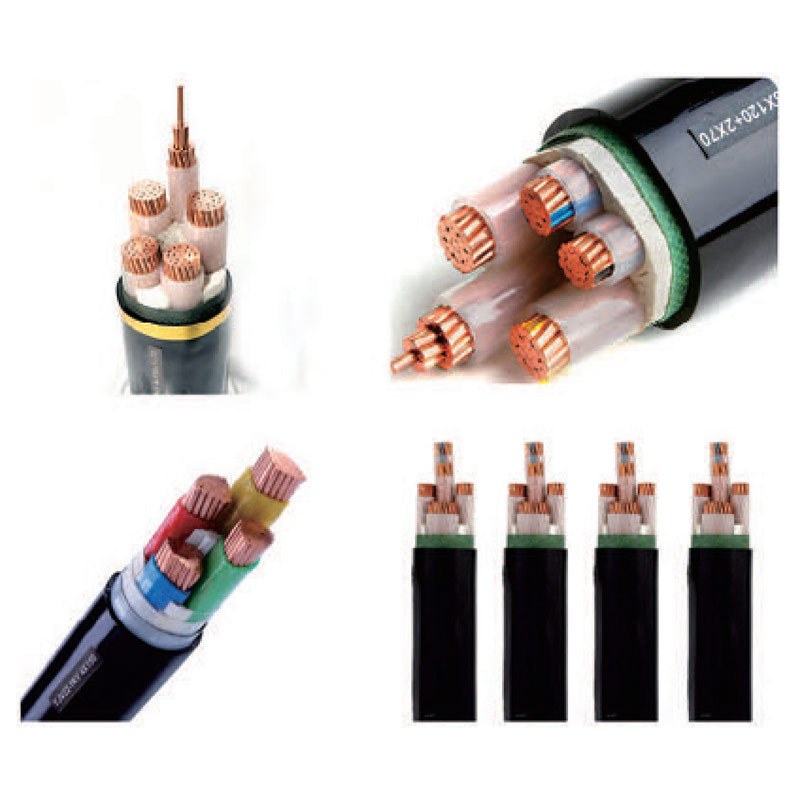
The low-voltage cable page describes an XLPE-insulated distribution cable family. Selection still requires the complete construction, conductor schedule, installation route and protective coordination. Published temperature or bending information should be confirmed against the cable actually offered.
Request the full voltage designation, conductor and sheath construction, drum lengths and accessory interfaces. Keep any armour or fire-performance requirement explicit in the final cable schedule.
A cable purchase must identify voltage designation, conductor material and size, core arrangement, insulation, sheath and the required installation duty. The published catalogue includes low-voltage and 8.7/15 kV cable. The latter is described as high voltage on the site but belongs to the medium-voltage distribution context used in many engineering specifications.
Review the Cáp điện hạ thế product entry alongside the Cable category. Confirm the final offered configuration in controlled drawings and a technical schedule. Do not infer conductor size, armour construction or fire performance from an image. The selected cable and accessories need their own approved data and installation instructions.
3. Corrosion and Material Selection
For the low voltage power cable review, the low voltage power cable design team should match enclosure and hardware materials to the atmosphere. Corrosion exposure includes more than proximity to the sea. Process chemicals, cleaning agents, industrial dust and water retained around fasteners can influence material selection. Describe the atmosphere, cleaning practice and expected service life. Distinguish the enclosure material from the coating system, hinges, latches, mounting hardware and internal bonding connections.
Request a material and finish schedule with the low voltage power cable supplier's stated limitations. Stainless steel is not a single performance category, and a painted steel enclosure needs suitable preparation and repair procedures. Check dissimilar-metal interfaces and the possibility that field cutting will expose unprotected edges. Require damaged surfaces to be assessed before acceptance. The purchasing decision should compare the whole protective system and its maintenance needs, rather than treat a material label as proof that the equipment can be installed in every corrosive environment. Keep this point linked to the low voltage power cable configuration and its approved interface documents.
4. Factory Acceptance Testing
For the low voltage power cable review, the low voltage power cable design team should make the witnessed checks correspond to the ordered configuration. A factory acceptance plan should state what will be inspected, what records will be reviewed and which functional checks will be witnessed. Identify the exact equipment and drawing revision. A demonstration on a similar unit can be informative but cannot replace evidence required for the ordered configuration.
Agree witness and hold points early enough to fit the manufacturing programme. Include the treatment of deviations, retesting and changes made after the visit. Distinguish routine verification of the supplied equipment from design evidence and from site-dependent tests. Photographs help document condition and identification, but they do not establish every electrical characteristic. The final acceptance file should show the checked scope and any open items so that the receiving team does not mistake a partial witness event for completion of all contractual verification. Keep this point linked to the low voltage power cable configuration and its approved interface documents.
5. Operation and Maintenance Access
For the low voltage power cable review, the design team should reserve space for the actual tasks the low voltage power cable needs. Access planning should consider operation, cable work, inspection and removal of replaceable parts. The equipment footprint alone does not define the installation area. Review door swing, rear or side access, lifting needs and the route for removing a functional unit. Coordinate the arrangement with local clearance requirements and the approved safe work plan.
Ask the low voltage power cable supplier to show service access on the general arrangement and identify tasks that need additional space or isolation. Check the route through building doors and around permanent services. Keep temporary construction access separate from the final operating access. If the room layout changes, review the maintenance consequences before accepting a reduced space. The owner should receive a layout that makes the required tasks practical throughout the equipment's service life. Keep this point linked to the low voltage power cable configuration and its approved interface documents.
6. Cable Entry Layout
For the low voltage power cable review, the low voltage power cable design team should reserve usable termination space before fabrication. Cable entry affects the enclosure layout, foundation and installation sequence. Record top or bottom entry, conductor quantity, cable outside diameters, gland requirements and the direction from which cables approach. Confirm which party supplies glands, sealing systems, terminal hardware and support brackets. A drawing that shows only a cable symbol can hide a substantial installation conflict.
Check the route from the external tray or trench to the actual termination point. Cables need support and room for preparation as well as bending space. Segregate control and power routes where the low voltage power cable design requires it. Submit actual cable information before approving the general arrangement, and review changes in conductor size or cable construction as layout changes. This prevents an apparently interchangeable cable substitution from creating a termination problem that can only be corrected on site. Keep this point linked to the low voltage power cable configuration and its approved interface documents.
7. Quotation Scope and Exclusions
For the low voltage power cable review, the design team should compare complete technical offers on a common basis. A price comparison is meaningful only when the technical scope is aligned. Use a common schedule for ratings, circuit functions, accessories, drawings, verification, packing and delivery terms. Ask suppliers to identify deviations explicitly instead of relying on a general statement of compliance.
Separate included equipment from optional items and site work. Define responsibility for glands, cable accessories, external wiring, foundations, communication integration and commissioning support. Record the effect of each exclusion on the project budget and programme. A cheaper offer may be suitable if its boundaries are understood and covered elsewhere. Before purchase, issue a final agreed scope with the unresolved items closed or assigned. This prevents a commercial comparison from hiding technical differences that become expensive after manufacturing has started. Keep this point linked to the low voltage power cable configuration and its approved interface documents.
8. Spare Parts and Interchangeability
For the low voltage power cable review, the design team should define replacement needs without assuming parts are universal. A spare-parts plan should reflect failure consequences, procurement lead time and the actual installed design. Separate consumables, replaceable devices and complete functional units. For removable equipment, physical fit alone does not prove electrical or functional interchangeability.
Request part identification, approved alternatives, storage requirements and any configuration information needed before replacement. Include control settings, communication parameters and firmware dependencies where relevant. The designer and supplier should assess substitutions against ratings, protection and assembly verification. Agree how discontinued parts will be handled and which records the owner will retain. A spare unit becomes useful only when the operating team can identify where it is permitted to be used and what inspection or configuration is required before it enters service. Keep this point linked to the low voltage power cable configuration and its approved interface documents.
9. Compare the proposal with the required evidence
Build the comparison around corrosion and material selection, then check the related interfaces. For low voltage power cable, the relevant boundaries include source and load terminals; route and grouping; soil, tray or duct conditions; joints and terminations; installation and acceptance records. Put the requirement and supplier response in adjacent columns so that differences are visible before purchase.
Pay particular attention to a route change that invalidates the current-capacity and bending assumptions. Require the final cable schedule, construction data, calculation basis, accessory selection and applicable factory and site records. If a supplier proposes an alternative, ask which drawings, ratings, accessories and acceptance steps change. The commercial saving should be evaluated with those effects included.
| Review item | Incomplete basis | Useful approval evidence |
|---|---|---|
| Corrosion and Material Selection | A product-family name or an unchecked assumption | A documented basis to match enclosure and hardware materials to the atmosphere |
| Nhiệm vụ vận hành | A headline current or voltage without context | A duty schedule covering the approved operating cases |
| Interfaces | Symbols without cable, control or civil details | source and load terminals; route and grouping; soil, tray or duct conditions; joints and terminations; installation and acceptance records |
| Verification | Unrelated certificates or a similar product demonstration | the final cable schedule, construction data, calculation basis, accessory selection and applicable factory and site records |
| Change control | An email substitution with no impact review | An approved revision and identified consequences |
10. Work through a project review before release
Consider a constrained electrical room purchasing low voltage power cable. The buyer receives two offers that appear to cover the same requirement. Offer A identifies the proposed low voltage power cable configuration and supplies the supporting interface schedule. Offer B lists a broad series name and leaves the assumptions open. These are illustrative offers, with no invented prices or performance results.
The first review action is to establish the coordinated room drawing and the service-access review. The second is to ask both bidders how they will match enclosure and hardware materials to the atmosphere. Use the same technical questions for both offers. Any difference in factory acceptance testing or operation and maintenance access should be referred to the responsible designer rather than resolved by choosing the lower commercial total.
Before approving the low voltage power cable order, close the unresolved interface questions and record the selected configuration. Identify what remains dependent on site work and who will verify it. If the requirement changes, reopen the affected assessment. This creates a practical release decision that the receiving and commissioning teams can understand.
11. Prepare the inquiry and acceptance package
Send the system diagram, load or feeder information, installation conditions and the specific corrosion and material selection requirement with the inquiry. For low voltage power cable, also include the relevant cable or control interfaces and the documents required at handover. State quantities and delivery destination separately from the technical duty.
Dongfang’s Cable solution support can be used as a starting point for discussing the configuration. Ask for a written response that identifies the proposed supply, deviations, evidence and project responsibilities. Final equipment selection should follow the responsible project designer’s assessment.
For the applicable product-standard context, consult the IEC cable construction and test scope and specify the required part and edition with the project team. The reference explains the relevant standard family; it does not certify a particular Dongfang configuration.
12. Request a configuration review
To discuss corrosion and material selection for your low voltage power cable, send Dongfang Electric Power your project requirements. Include the coordinated room drawing and the service-access review, the low voltage power cable schedule and the unresolved interface questions. Request a configuration-specific technical offer and an evidence list for review before purchase.
Frequently asked questions
What information is needed to review corrosion and material selection for the low voltage power cable?
Provide the coordinated room drawing and the service-access review, the approved system diagram and the relevant operating conditions. The review should establish how to match enclosure and hardware materials to the atmosphere, then confirm the offered configuration and the acceptance evidence.
Does the LV Cable product name establish every required rating?
No. Request the full voltage designation, conductor and sheath construction, drum lengths and accessory interfaces. Keep any armour or fire-performance requirement explicit in the final cable schedule. The supplied low voltage power cable needs a controlled technical schedule tied to the actual configuration. A catalogue range or keyword does not confirm every optional function.
Which interfaces need checking before ordering the low voltage power cable?
Review source and load terminals; route and grouping; soil, tray or duct conditions; joints and terminations; installation and acceptance records. Assign responsibility for each boundary and keep the supplier response aligned with the approved drawings. Unresolved interfaces should remain visible in the review register.
How should alternative low voltage power cable offers be compared?
Use the same requirement schedule and ask each bidder for deviations, scope boundaries and evidence. For this decision, compare corrosion and material selection with factory acceptance testing and operation and maintenance access so that a price difference does not hide a configuration difference.
What records should accompany the low voltage power cable handover?
Retain the final cable schedule, construction data, calculation basis, accessory selection and applicable factory and site records, the final drawings, asset identifiers and applicable operating information. Keep factory verification distinct from site acceptance and close open technical items through documented review.