جدول المحتويات
A high voltage power cable proposal needs a clear answer to one purchasing question: how will the project base cable selection on route conditions and protective coordination? The answer should connect the high voltage power cable to its operating duty, installation interfaces and acceptance records. Selecting a familiar series or comparing a headline price leaves these details unresolved.
This guide examines cable current capacity and derating for a public infrastructure project. Use the review sequence to prepare the technical inquiry, compare offers and identify the information required before manufacturing release. The worked review below is a planning illustration, not a report of a completed Dongfang customer project.
1. Define the cable current capacity and derating decision
For the high voltage power cable, the immediate objective is to base cable selection on route conditions and protective coordination. Write that objective into the inquiry and identify the person who owns the engineering decision. Purchasing needs an approved technical basis before it can judge whether different offers describe the same scope.
In a public infrastructure project, begin with the contractor interface register and acceptance responsibilities. Several contractors share cable routes, civil interfaces and control systems. Assign ownership of each interface and agree the evidence needed at handover. A missing communication or auxiliary-power boundary can delay acceptance even when the main equipment is delivered on time.
A useful review connects three records: the system requirement, the offered high voltage power cable configuration and the evidence needed for acceptance. Mark an unknown value as unresolved and assign an action. A plausible number copied from a different model is less useful than a clearly identified question.
2. Check the 8.7/15 kV Cable configuration boundary
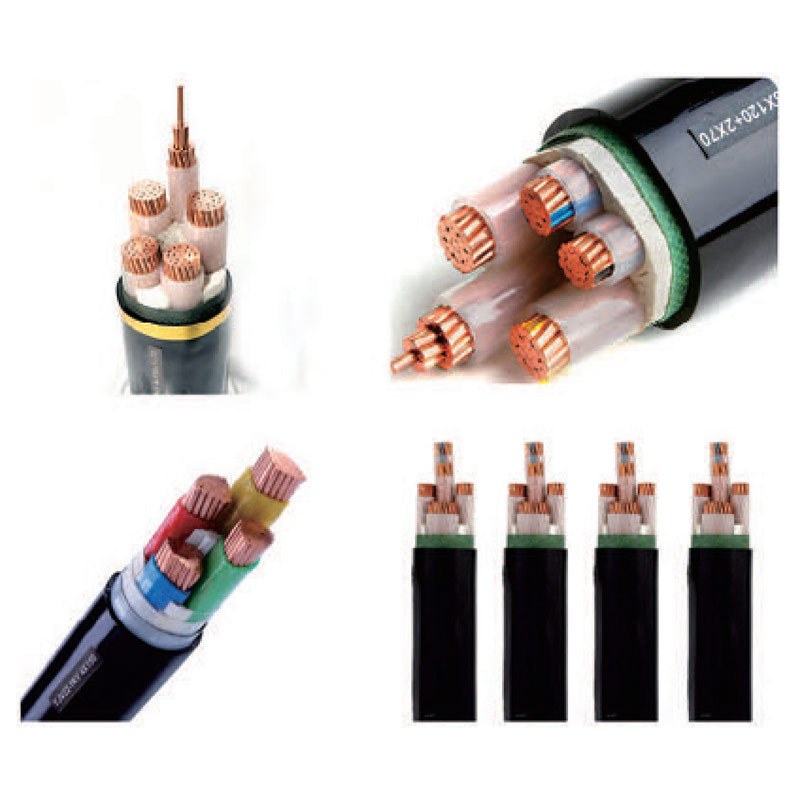
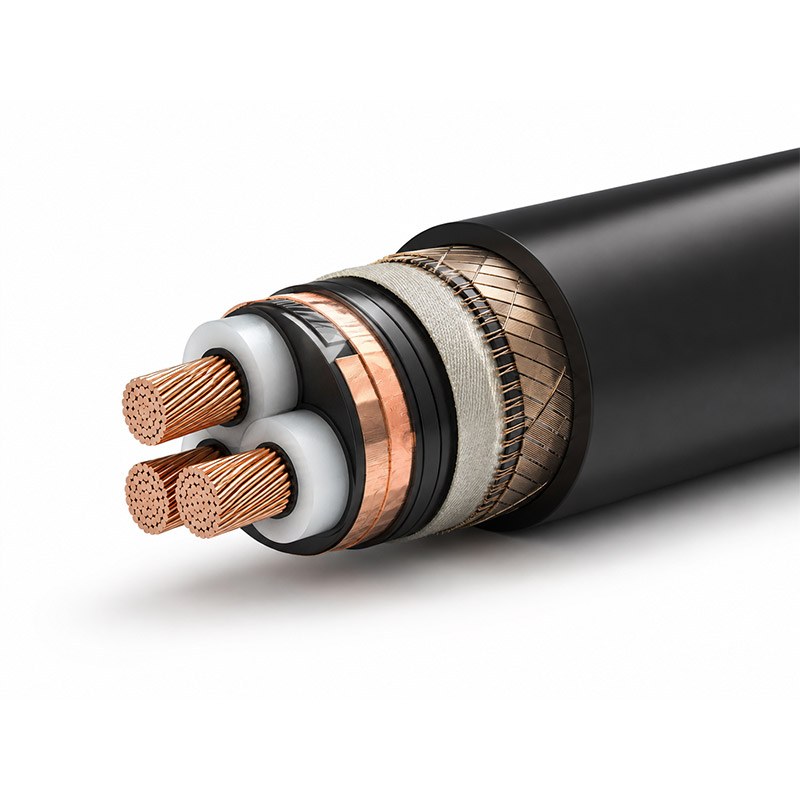
The cable marketed as high-voltage power cable on the website is described as an 8.7/15 kV XLPE-insulated product. Use the complete voltage designation in technical correspondence to avoid ambiguity between catalogue wording and the project voltage class.
Coordinate cable insulation dimensions, screens and terminations with the selected accessories. Confirm route-dependent current capacity and the approved installation and acceptance method.
A cable purchase must identify voltage designation, conductor material and size, core arrangement, insulation, sheath and the required installation duty. The published catalogue includes low-voltage and 8.7/15 kV cable. The latter is described as high voltage on the site but belongs to the medium-voltage distribution context used in many engineering specifications.
Review the كابل طاقة عالي الجهد product entry alongside the Cable category. Confirm the final offered configuration in controlled drawings and a technical schedule. Do not infer conductor size, armour construction or fire performance from an image. The selected cable and accessories need their own approved data and installation instructions.
3. Cable Current Capacity and Derating
For the high voltage power cable review, the high voltage power cable design team should base cable selection on route conditions and protective coordination. Cable current capacity depends on construction, installation method, ambient conditions, grouping and the surrounding thermal environment. A conductor cross-section is therefore insufficient as a purchase specification. Record route length, method of installation and the conditions that govern the most demanding section.
Have the designer assess current capacity, voltage drop, fault withstand and protection together. Do not substitute a universal current-per-area rule for the applicable calculation. Underground routes need the relevant soil and grouping assumptions, while trays and ducts have their own installation factors. Keep the selected cable construction and accessory requirements aligned with the calculation. If the route or operating duty changes, revisit the selection. The final cable schedule should preserve the basis for the approved size, allowing later extensions to be assessed without reconstructing the original assumptions. Keep this point linked to the high voltage power cable configuration and its approved interface documents.
4. Load Schedule
For the high voltage power cable review, the high voltage power cable design team should separate connected load from operating demand. An equipment list becomes useful only when it shows how the loads operate. Record each load's supply, operating current, duty cycle, starting behavior and consequence of interruption. A motor that runs intermittently can still determine the starting requirement. A group of small electronic loads can affect the neutral and harmonic assessment. Keep measured operating demand separate from estimates so that the next reviewer knows which values can change.
Give each proposed feeder a stable identifier and state the source of its load data. Reconcile the feeder schedule with the single-line diagram before requesting a quotation. A missing feeder is a scope defect even if the total current appears reasonable. Ask the designer to identify the operating combinations that govern normal duty, standby duty and planned expansion. The resulting schedule should support a configuration decision rather than merely list equipment names. Keep this point linked to the high voltage power cable configuration and its approved interface documents.
5. Electrical Losses and Operating Profile
For the high voltage power cable review, the high voltage power cable design team should use load-dependent information in efficiency comparisons. Electrical losses vary with operating conditions. Resistive losses in a conductor depend on current and resistance, and the resistance itself is affected by the conductor and temperature. A comparison based only on a maximum current rating does not establish annual energy use.
Use a documented load profile and configuration-specific information where loss estimates matter. Keep conductor size, route length, connection arrangement and operating temperature assumptions visible. For assemblies, ask what loss data apply to the proposed equipment and loading. Do not claim a fixed percentage saving from a product family without the relevant evidence. Compare the potential energy benefit with space, material, installation and maintenance consequences. The most useful result is a transparent calculation that can be updated when the project's measured operating data become available. Keep this point linked to the high voltage power cable configuration and its approved interface documents.
6. Future Expansion Capacity
For the high voltage power cable review, the high voltage power cable design team should distinguish spare space from verified electrical capacity. Future expansion needs an identified load case and a defined connection strategy. Spare compartments or cable openings provide physical opportunities, but they do not establish spare busbar, thermal, source or fault capacity. State the proposed additional loads, expected timing and the operating arrangement after expansion.
Ask for the provisions needed now and the engineering checks that will remain necessary later. Review spare terminals, cable routes, metering, control points and room access together. If an assembly extension is proposed, establish how the existing design evidence and interfaces will be preserved. Record the limits of the expansion allowance in the handover documents. This gives the owner a useful planning basis and avoids presenting an empty section as a guarantee that any future feeder can be added without reassessment. Keep this point linked to the high voltage power cable configuration and its approved interface documents.
7. Voltage and Insulation Duty
For the high voltage power cable review, the design team should match the actual system and insulation requirements. Nominal system voltage, equipment operating voltage, insulation voltage and impulse withstand describe different duties. Record them separately in the technical schedule. Include frequency and the earthing arrangement, and identify any abnormal operating condition that the designer expects the high voltage power cable installation to withstand. A familiar series name cannot establish these characteristics for an individual configuration.
For cables, use the complete voltage designation and identify the system conditions behind it. For an assembly, request the declared ratings and the evidence applicable to the supplied design. Where a brochure and a technical table disagree, treat the value as unresolved until the high voltage power cable supplier issues a controlled clarification. Do not select the more attractive number. The approved rating schedule should become part of the purchase specification and remain traceable to the nameplate and final documents. Keep this point linked to the high voltage power cable configuration and its approved interface documents.
8. Demand and Diversity
For the high voltage power cable review, the high voltage power cable design team should justify which loads operate together. Diversity depends on actual operating patterns. It should not be a universal discount applied to every circuit. A production line, residential building and pumping station can have very different load coincidence. Separate continuous loads, cyclical loads, emergency loads and equipment with substantial starting current. Document the coincidence assumptions and identify the operating period they describe.
Compare the normal operating case with the credible maximum combination. A reduced total demand does not automatically reduce the rating required for an individual outgoing circuit. Likewise, planned standby operation can concentrate load on fewer sources or paths. Require the quotation to state which demand assumptions were used for the proposed assembly or cable arrangement. If the assumptions change during design, revisit the thermal assessment and protection coordination instead of adjusting the commercial total alone. Keep this point linked to the high voltage power cable configuration and its approved interface documents.
9. Compare the proposal with the required evidence
Build the comparison around cable current capacity and derating, then check the related interfaces. For high voltage power cable, the relevant boundaries include source and load terminals; route and grouping; soil, tray or duct conditions; joints and terminations; installation and acceptance records. Put the requirement and supplier response in adjacent columns so that differences are visible before purchase.
Pay particular attention to a route change that invalidates the current-capacity and bending assumptions. Require the final cable schedule, construction data, calculation basis, accessory selection and applicable factory and site records. If a supplier proposes an alternative, ask which drawings, ratings, accessories and acceptance steps change. The commercial saving should be evaluated with those effects included.
| Review item | Incomplete basis | Useful approval evidence |
|---|---|---|
| Cable Current Capacity and Derating | A product-family name or an unchecked assumption | A documented basis to base cable selection on route conditions and protective coordination |
| Operating duty | A headline current or voltage without context | A duty schedule covering the approved operating cases |
| Interfaces | Symbols without cable, control or civil details | source and load terminals; route and grouping; soil, tray or duct conditions; joints and terminations; installation and acceptance records |
| Verification | Unrelated certificates or a similar product demonstration | the final cable schedule, construction data, calculation basis, accessory selection and applicable factory and site records |
| Change control | An email substitution with no impact review | An approved revision and identified consequences |
10. Work through a project review before release
Consider a public infrastructure project purchasing high voltage power cable. The buyer receives two offers that appear to cover the same requirement. Offer A identifies the proposed high voltage power cable configuration and supplies the supporting interface schedule. Offer B lists a broad series name and leaves the assumptions open. These are illustrative offers, with no invented prices or performance results.
The first review action is to establish the contractor interface register and acceptance responsibilities. The second is to ask both bidders how they will base cable selection on route conditions and protective coordination. Use the same technical questions for both offers. Any difference in load schedule or electrical losses and operating profile should be referred to the responsible designer rather than resolved by choosing the lower commercial total.
Before approving the high voltage power cable order, close the unresolved interface questions and record the selected configuration. Identify what remains dependent on site work and who will verify it. If the requirement changes, reopen the affected assessment. This creates a practical release decision that the receiving and commissioning teams can understand.
11. Prepare the inquiry and acceptance package
Send the system diagram, load or feeder information, installation conditions and the specific cable current capacity and derating requirement with the inquiry. For high voltage power cable, also include the relevant cable or control interfaces and the documents required at handover. State quantities and delivery destination separately from the technical duty.
Dongfang’s Cable solution support can be used as a starting point for discussing the configuration. Ask for a written response that identifies the proposed supply, deviations, evidence and project responsibilities. Final equipment selection should follow the responsible project designer’s assessment.
For the applicable product-standard context, consult the IEC cable construction and test scope and specify the required part and edition with the project team. The reference explains the relevant standard family; it does not certify a particular Dongfang configuration.
12. Request a configuration review
To discuss cable current capacity and derating for your high voltage power cable, send Dongfang Electric Power your project requirements. Include the contractor interface register and acceptance responsibilities, the high voltage power cable schedule and the unresolved interface questions. Request a configuration-specific technical offer and an evidence list for review before purchase.
Frequently asked questions
What information is needed to review cable current capacity and derating for the high voltage power cable?
Provide the contractor interface register and acceptance responsibilities, the approved system diagram and the relevant operating conditions. The review should establish how to base cable selection on route conditions and protective coordination, then confirm the offered configuration and the acceptance evidence.
Does the 8.7/15 kV Cable product name establish every required rating?
No. Coordinate cable insulation dimensions, screens and terminations with the selected accessories. Confirm route-dependent current capacity and the approved installation and acceptance method. The supplied high voltage power cable needs a controlled technical schedule tied to the actual configuration. A catalogue range or keyword does not confirm every optional function.
Which interfaces need checking before ordering the high voltage power cable?
Review source and load terminals; route and grouping; soil, tray or duct conditions; joints and terminations; installation and acceptance records. Assign responsibility for each boundary and keep the supplier response aligned with the approved drawings. Unresolved interfaces should remain visible in the review register.
How should alternative high voltage power cable offers be compared?
Use the same requirement schedule and ask each bidder for deviations, scope boundaries and evidence. For this decision, compare cable current capacity and derating with load schedule and electrical losses and operating profile so that a price difference does not hide a configuration difference.
What records should accompany the high voltage power cable handover?
Retain the final cable schedule, construction data, calculation basis, accessory selection and applicable factory and site records, the final drawings, asset identifiers and applicable operating information. Keep factory verification distinct from site acceptance and close open technical items through documented review.