Table of Contents
Introduction
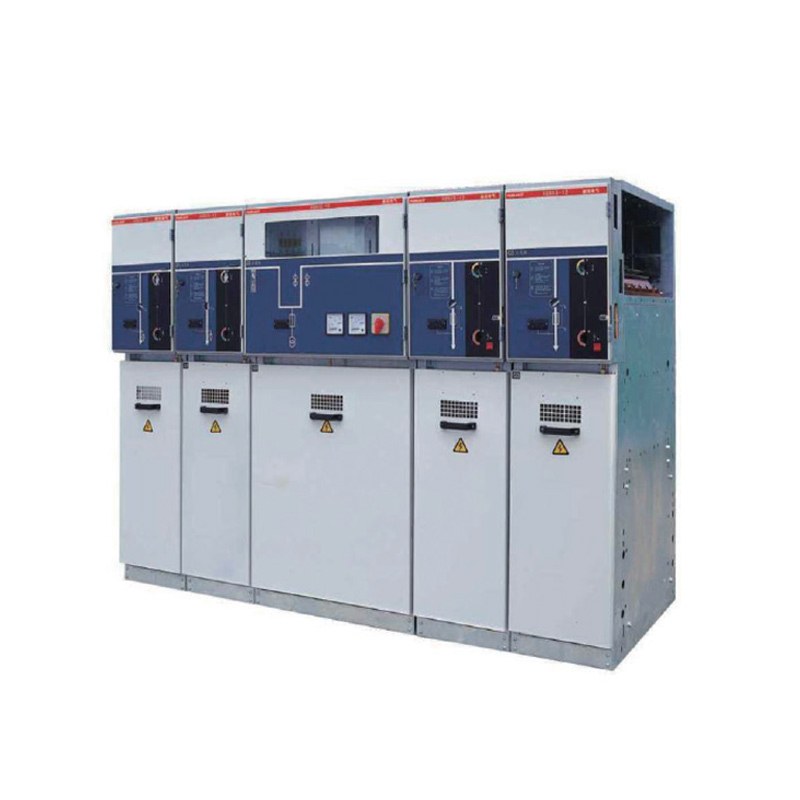
A Ring Main Unit is an essential component in medium-voltage power distribution networks, providing reliable switching, protection, and control functions for industrial facilities, commercial buildings, infrastructure projects, and energy systems. As electrical networks become more complex and power reliability becomes increasingly important, selecting the right RMU has become a key decision for engineers, contractors, and project owners.
Unlike conventional distribution arrangements that may require multiple independent devices to perform switching and protection tasks, a Ring Main Unit integrates several functions into a compact electrical assembly. This design allows operators to control power flow, isolate faults, and maintain service continuity while optimizing installation space.
However, choosing a suitable Ring Main Unit is not simply about selecting equipment with the correct voltage rating. Different applications require different configurations depending on network structure, load requirements, protection strategies, environmental conditions, maintenance plans, and future expansion needs.
A properly selected Ring Main Unit can improve distribution reliability, reduce operational interruptions, simplify maintenance procedures, and support long-term electrical system development. For this reason, RMU selection should always be considered as part of a complete power distribution strategy rather than as an independent equipment choice.
Understanding the Role of Ring Main Unit in Electrical Distribution Systems
A RMU is a type of medium-voltage switchgear designed to manage electrical power distribution through switching, isolation, and protection functions. It is commonly used in ring network structures where maintaining power availability and improving fault management are important objectives.
The concept behind a ring distribution system is to create multiple possible power paths. When one section of the network experiences a fault, the affected area can be separated while other sections continue receiving power through alternative routes.
This operating principle makes Ring Main Units particularly valuable in applications where power continuity is critical.
A typical Ring Main Unit may include:
- Load break switches
- Circuit breakers
- Earthing switches
- Protection relays
- Cable termination units
- Busbar systems
By combining these functions within a single compact enclosure, RMUs help simplify electrical system design while improving operational flexibility.
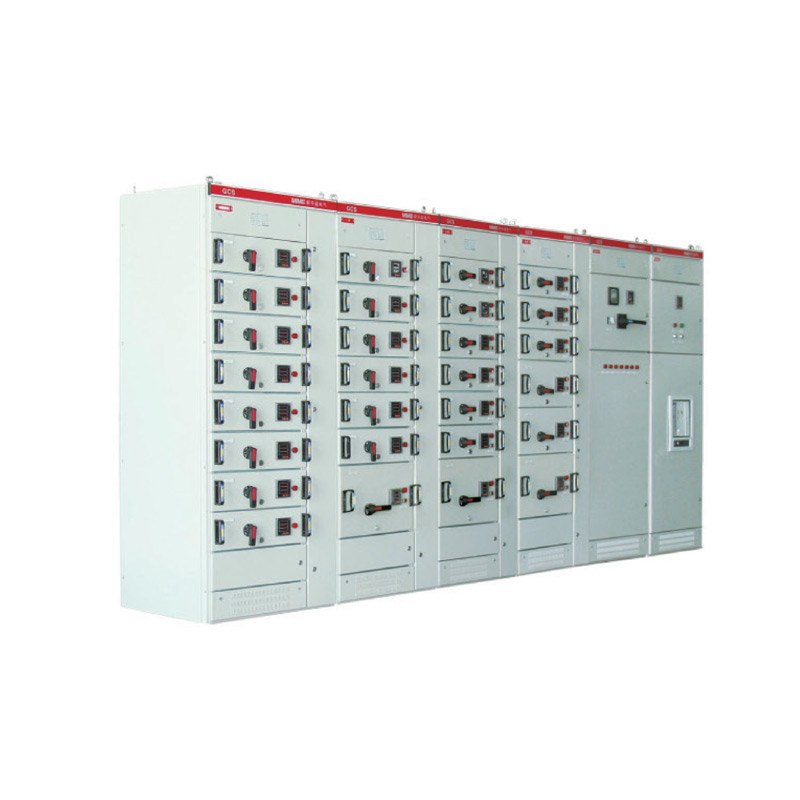
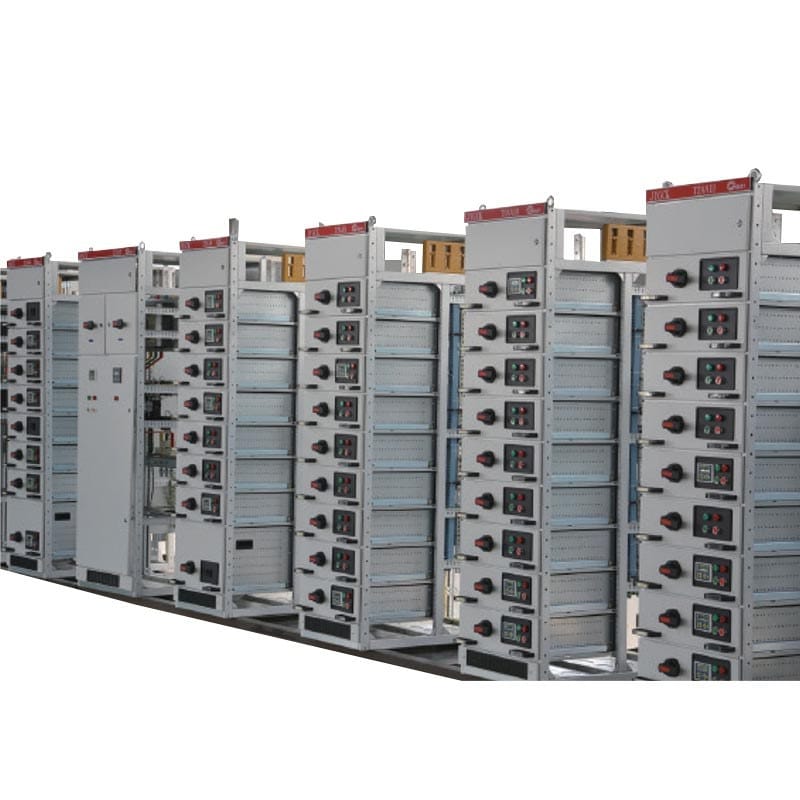
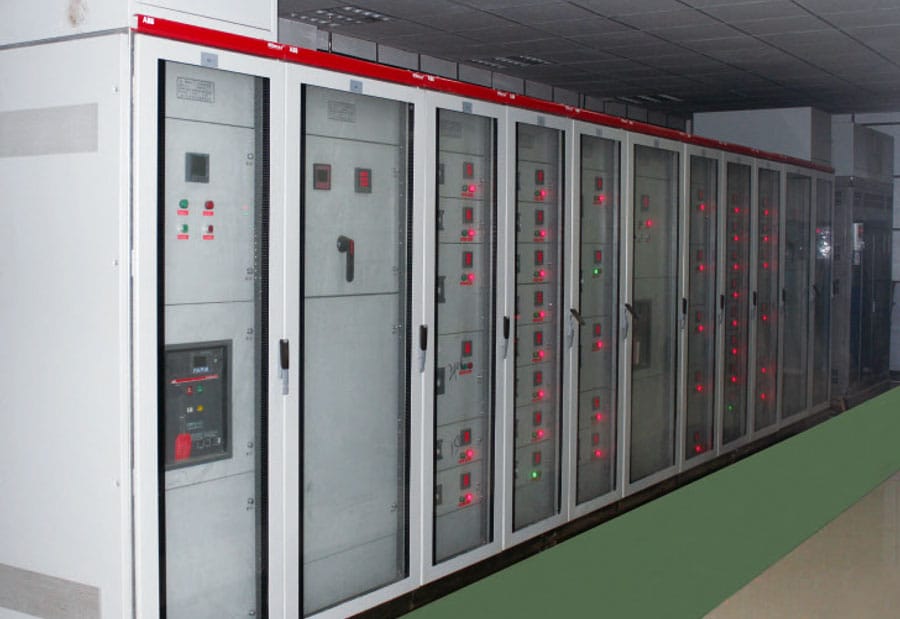
The basic functions of electrical switching and protection are closely connected with switchgear technology, which provides the foundation for controlling and protecting electrical circuits.
Why Ring Main Unit Is Important for Power Network Reliability
Electrical reliability has become a major concern for modern industrial and commercial systems. Production equipment, automation platforms, data-driven operations, and critical facilities all depend on stable power distribution.
A RMU improves network reliability mainly through effective fault isolation and flexible power management.
When a fault occurs, the RMU can disconnect the affected section without shutting down the entire distribution network. This reduces the impact of electrical failures and allows maintenance teams to restore normal operation more efficiently.
Compared with simple radial distribution structures, ring networks provide additional flexibility because power can reach connected loads through different paths. This approach improves system resilience and reduces the risk of widespread power interruption.
For industrial applications, this reliability advantage is especially important because unexpected downtime may affect production schedules, equipment performance, and overall operational efficiency.
How Ring Main Unit Supports Efficient Fault Management
Fault management is one of the most important functions of a Ring Main Unit.
In a traditional distribution system, identifying the location of a fault and restoring power can require complex troubleshooting procedures. A properly configured RMU simplifies this process by allowing operators to isolate specific network sections.
The main benefits include:
- Faster fault isolation
- Reduced service interruption
- Improved operator safety
- Easier system maintenance
The ability to separate faulty sections while keeping unaffected areas energized makes RMUs an effective solution for distribution networks that require high availability.
For engineers designing electrical systems, RMU selection should consider not only normal operating conditions but also how the equipment performs during abnormal situations.
Key Factors to Consider When Selecting a Ring Main Unit
Selecting the correct RMU requires a detailed evaluation of technical requirements and project conditions.
| Selection Factor | Why It Matters | Key Considerations |
|---|---|---|
| Voltage Level | Ensures safe integration with the network | Rated voltage, insulation requirements, system compatibility |
| Current Rating | Determines operating capability | Load demand, peak current, future expansion |
| Protection Configuration | Defines fault response capability | Circuit breaker, relay protection, switching functions |
| Installation Environment | Affects long-term reliability | Indoor/outdoor conditions, temperature, humidity |
| Maintenance Requirements | Influences lifecycle performance | Accessibility, inspection methods, monitoring needs |
Voltage level is the first consideration when selecting an RMU. The equipment must match the electrical characteristics of the distribution system to ensure safe and stable operation.
Current rating should be evaluated based on both current demand and future development plans. Selecting equipment only according to present requirements may create limitations when additional electrical loads are introduced.
Protection configuration is another important factor. Different projects may require different switching arrangements depending on the complexity of the network and the level of protection required.
Choosing Between Different Ring Main Unit Designs
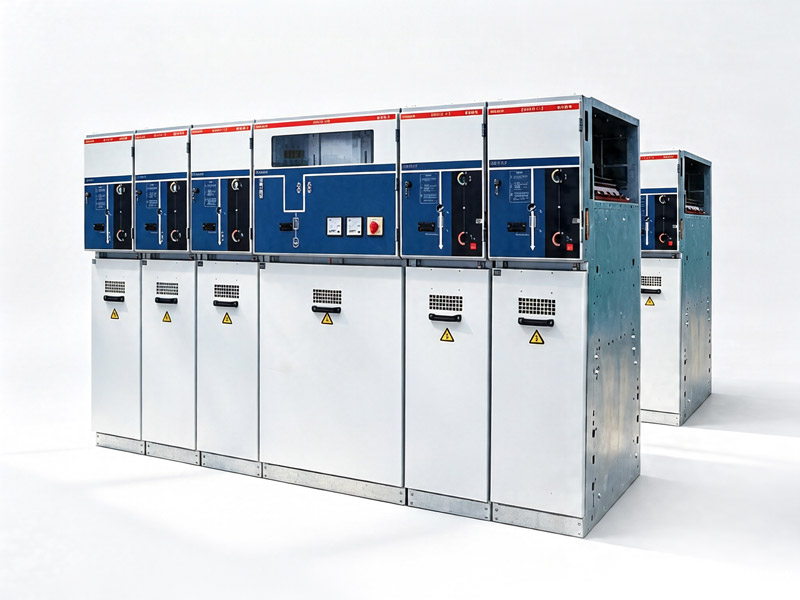
Different RMU designs are available to meet different application requirements.
Gas insulated Ring Main Units are commonly selected where compact design and space efficiency are important. Their sealed structure allows reliable operation in environments where installation space is limited.
Air insulated Ring Main Units provide another approach where accessibility and inspection are important considerations. Their design allows easier visual inspection and maintenance procedures.
The selection between different RMU designs should consider:
- Available installation space
- Network requirements
- Environmental conditions
- Maintenance strategy
- Safety expectations
The most suitable solution is not necessarily the most complex one. The right choice depends on how the RMU will operate within the complete electrical distribution system.
Ring Main Unit Applications in Industrial and Infrastructure Projects
RMU are widely used in applications where reliable medium-voltage distribution is required.
Industrial facilities often use RMUs to support manufacturing operations, automated production systems, and large electrical loads. Stable power distribution helps maintain continuous operation and reduces the impact of electrical faults.
Commercial buildings use RMU solutions when reliable electrical management is required within limited installation spaces. Modern facilities often need compact equipment that can provide effective control and protection.
Infrastructure projects also depend on reliable power distribution systems. Transportation facilities, energy projects, and large developments require electrical equipment that can maintain stable operation under demanding conditions.
For projects requiring coordinated electrical equipment solutions, DFDL provides professional power distribution equipment designed to support different industrial and infrastructure applications.
Common Mistakes When Choosing a Ring Main Unit
Selecting an unsuitable Ring Main Unit can affect system reliability and long-term performance.
One common mistake is focusing only on basic specifications without considering the complete network structure. An RMU should be selected according to how the electrical system operates rather than only according to individual equipment parameters.
Another mistake is ignoring future expansion. Electrical demand often changes as facilities grow, and insufficient planning may result in limited system flexibility.
Environmental conditions are also important. Factors such as temperature, humidity, installation location, and maintenance accessibility can influence equipment performance.
A successful RMU selection process requires understanding both current requirements and future operational expectations.
The Importance of Professional Support in Ring Main Unit Projects
A Ring Main Unit is not simply a standard electrical product. It is part of a larger power distribution system that requires proper engineering coordination.
Professional manufacturers can provide support in areas such as:
- Technical specification analysis
- System compatibility evaluation
- Configuration recommendations
- Project documentation
- Installation guidance
Working with an experienced supplier helps ensure that the selected RMU matches the actual application environment.
For customized electrical projects, technical communication during the early design stage can prevent compatibility issues and improve overall project efficiency.
Future Trends in Ring Main Unit Technology
The development of Ring Main Unit technology is closely related to the transformation of modern electrical networks.
One major trend is intelligent monitoring. Digital sensors and communication technologies are increasingly being integrated into electrical equipment, allowing operators to monitor operating conditions and improve maintenance planning.
Another trend is improved sustainability. Future RMU designs are expected to focus on optimized materials, higher efficiency, and improved environmental performance.
The demand for flexible and intelligent power distribution systems will continue to grow as industries adopt automation, digital management, and more complex electrical infrastructure.
Ring Main Units will remain an important part of reliable power networks because they combine protection, control, and flexibility within a compact solution.
Conclusion
Selecting the right Ring Main Unit requires careful consideration of electrical requirements, network design, protection needs, installation conditions, and future development plans.
A suitable RMU should provide reliable switching, effective fault isolation, flexible operation, and long-term adaptability. The best solution is not simply the one with the most features, but the one that matches the actual requirements of the electrical system.
For engineers, contractors, and project owners, choosing the right Ring Main Unit can improve power reliability, simplify maintenance, and create a stronger foundation for future electrical development.
FAQ
What is a Ring Main Unit?
A Ring Main Unit is a medium-voltage switchgear device used for controlling, protecting, and distributing electrical power in ring network systems. It helps improve reliability through fault isolation and flexible power management.
Why is a Ring Main Unit used in electrical distribution networks?
A Ring Main Unit allows operators to isolate faulty sections while maintaining power supply to unaffected areas. This improves system reliability and reduces the impact of electrical failures.
How do I select the right Ring Main Unit?
Selection should consider voltage level, current rating, protection requirements, installation environment, maintenance needs, and future expansion plans.
What are the main applications of Ring Main Units?
Ring Main Units are commonly used in industrial facilities, commercial buildings, infrastructure projects, and medium-voltage distribution networks that require reliable power control.
What are the advantages of using a Ring Main Unit?
The main advantages include improved reliability, compact installation design, efficient fault isolation, flexible operation, and simplified maintenance.
Need Help Choosing the Right Ring Main Unit?
If you’re unsure about which Ring Main Unit is best for your power distribution project, our experts are here to help. ติดต่อเรา today for a personalized consultation, and ensure your electrical system is reliable, safe, and designed for long-term performance. Don’t wait until power distribution challenges affect your operations—get in touch now to build a more efficient and stable solution!